



Malaysia sees further upside for ringgit, 2026 growth forecast
The ringgit has risen 3% this year after gaining around 10% in 2025
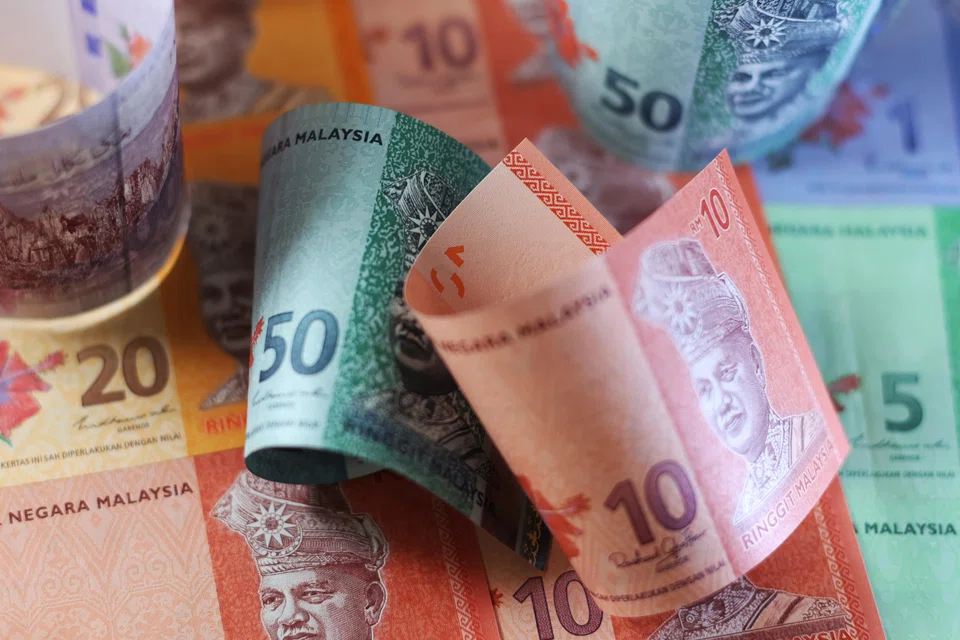
[KUALA LUMPUR] The Malaysian ringgit, Asia’s top performing currency in the past year, still has potential to gain as the economy continues to perform strongly, Second Finance Minister Amir Hamzah Azizan said, indicating that growth forecasts may be revised higher.
The ringgit was undervalued last year and the market was reacting to that, Amir said in an interview with Bloomberg TV’s Avril Hong on Thursday (Feb 5) in Kuala Lumpur. Inflows into equity and bond markets in January strengthened the ringgit, and the currency will continue to follow the same trajectory, he added.
“I think the ringgit still has potential because growth is still intact in this country and it’s still growing well,” he said, four months after a similar interview in which he correctly predicted that the currency would strengthen past RM4 versus the dollar.
The currency pared losses as he spoke, and was trading about 0.4 per cent lower against the dollar at 12.35 pm in Kuala Lumpur, amid a decline in most Asian currencies.
Malaysia’s economy has proved resilient against US tariffs, for now, prompting the central bank to keep the benchmark interest rate unchanged since July. The economy is pulling ahead of much of South-east Asia as domestic demand stays resilient and investment flows into electronics, data centres and energy transition projects help offset turmoil in global trade.
Growth hit 4.9 per cent in 2025, better than the government’s forecast of a 4 per cent to 4.8 per cent expansion. It expects growth to moderate to 4 per cent to 4.5 per cent though this year, though Amir said he was optimistic of an upward revision to the forecast when Bank Negara Malaysia reviews the estimate in the next few months. At the same time, he said he saw no catalyst for inflation to creep up this year.
Government efforts to strengthen the country’s economic fundamentals are bearing fruit. The ringgit has risen 3 per cent this year after gaining around 10 per cent in 2025. The rally is being driven by a range of structural factors beyond the dollar’s broad weakness, such as rising investment flows and the country’s growth momentum.
Malaysia also aims to narrow the budget deficit to 3.5 per cent of GDP this year, from a target of 3.8 per cent in 2025, as it seeks to convince investors it’s serious about fiscal consolidation. Amir said the final numbers for 2025 would be concluded end-February, adding that the 3.8 per cent target was “within reach.”
Prime Minister Anwar Ibrahim is counting on improved tax collection and lower subsidy spending, even as he grapples with diminished petroleum-related revenue and a relative slowdown in growth. Amir said the government is deliberately trying to reduce its reliance on oil and gas, adding that it’s comfortable with the current oil price range as it was already factored into the annual budget.


“The key for Malaysia was the diversification,” he said. “The more we push for economic diversification, the more we improve our fiscal space and tax collections, the resilience of the fiscal space of the government is much better.” BLOOMBERG
Decoding Asia newsletter: your guide to navigating Asia in a new global order. Sign up here to get Decoding Asia newsletter. Delivered to your inbox. Free.
Share with us your feedback on BT's products and services
TRENDING NOW

Once staunchly pro-China, Malaysian Chinese businesses are now distancing themselves from Beijing

Looking beyond looming CEO succession, should UOB potentially pursue a transformative merger?

Could stablecoins be the future of money?

Grab CEO’s wife Chloe Tong on life with Anthony Tan and finding her purpose

