



Malaysia to test mechanism for targeted fuel subsidy system: Finance Minister


WHILE Malaysia has enough funds to subsidise the cost of fuel for everyone in the country, the government is looking to introduce a new targeted mechanism to channel the bulk of the subsidy to the lower- and middle-income groups.
Finance Minister Tengku Zafrul Aziz gave this update at an event in Kuala Lumpur on Thursday (Jul 7), although he did not provide a specific timeline for the implementation.
“The mechanism will be presented and discussed with Cabinet members and be implemented once it’s approved,” he told the media after launching edotco Group’s sustainability blueprint and report. “We will test it and decide when we are comfortable with the mechanism, and the platform of how we will execute it.”
He noted that based on a study conducted by Malaysia’s central bank, every RM1 of fuel subsidy sees 53 sen go to the top 20 per cent of income-earners, while just 15 sen is utilised by the bottom 40 per cent. This means that just over half of the subsidy goes to those who can afford to pay the full price, and this is something that needs to be addressed, said Zafrul.
The Malaysian government’s subsidies on consumer necessities are projected to hit an all-time high of RM77.3 billion (S$24.5 billion) this year, with fuel subsidies making up about RM30 billion. Last month alone, the government spent RM5 billion on fuel subsidies.
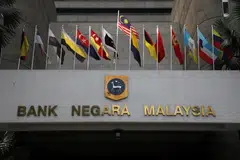
Separately, Zafrul also gave his take on Bank Negara Malaysia’s move on Wednesday to raise interest rates again, with the 25 basis-point hike taking it to 2.25 per cent. The minister noted that the decision made by the central bank’s monetary policy committee remains accommodative and supportive to business growth.
“Even though the overnight policy rate (OPR) increased to 2.25 per cent, it’s still lower than the pre-pandemic level of 3 per cent,” he said, adding that the latest interest rate hike is in response to the global economic situation and is part of measures to deal with inflationary pressure.
Zafrul said Malaysia’s OPR increase is also in line with “market expectations” and should be assessed by factoring in latest regional developments as well as the historical OPR rate.
He added that Malaysia’s interest rate hike is lower than other countries, such as the United States (150 basis points), New Zealand (125 basis points) and the UK (100 basis points).

“If we do not respond to the global situation, the ringgit will continue to depreciate and this will cause capital outflows,” he said.
At the event, edotco, an integrated telecommunications infrastructure services company launched its sustainability blueprint to fulfil its promise to connect the world in an equitable and sustainable manner. The blueprint stated the company’s goal of becoming a top 5 global telecommunications tower company through sustainable and responsible growth.
Decoding Asia newsletter: your guide to navigating Asia in a new global order. Sign up here to get Decoding Asia newsletter. Delivered to your inbox. Free.
Copyright SPH Media. All rights reserved.
TRENDING NOW

Philippine power giant First Gen rebuffs foreign offers, plans up to US$2.6 billion in expansion

Once staunchly pro-China, Malaysian Chinese businesses are now distancing themselves from Beijing

Nearly half of Singapore workers put in at least six unpaid hours a week: survey

Vietnam’s data-centre investment rush faces reality check on power and site constraints

