



Malaysia to make construction sector more digitalised and sustainable: minister
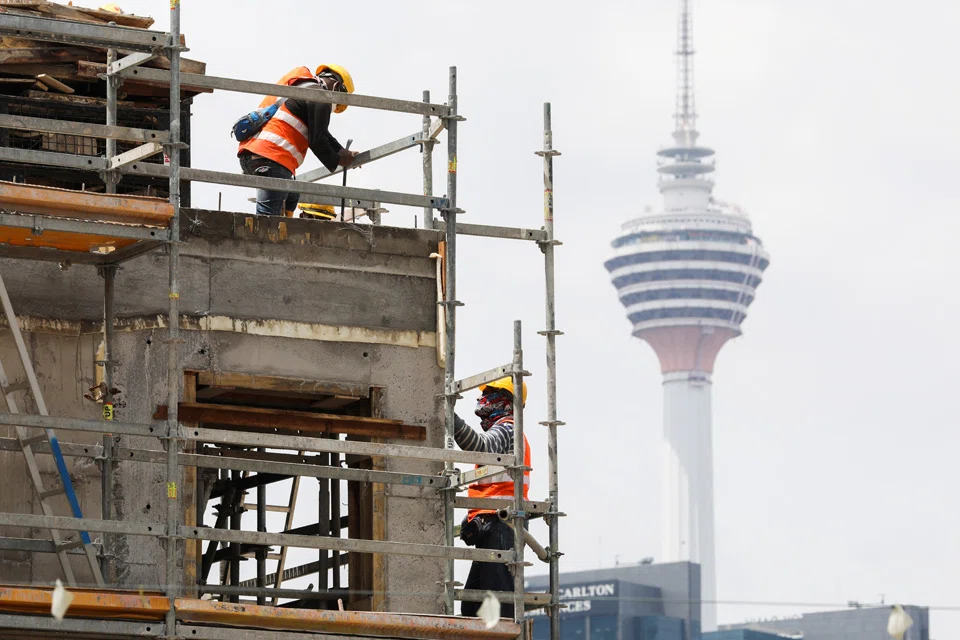
MALAYSIA is preparing to launch the National Construction Policy 2030 to accelerate the adoption of technology in all building work processes while aligning the industry with the country's long-term plan to decarbonise, Senior Works Minister Fadillah Yusof said on Thursday.
Speaking at the Asia Economic and Entrepreneurship Summit, he said the Malaysian construction sector is set to move in tandem with the United Nations Sustainable Development Goals under the guidelines.
The policy framework will complement other government initiatives to help steer the country in achieving its target for greener growth and fairer wealth distribution by the end of this decade, he said.
"We have to build smart infrastructure. The whole life-cycle of the infrastructure development must promote more effective and efficient use of financial resources, carbon footprint consideration, social cohesion and stewardship of natural ecosystems," said Mr Fadillah.
Malaysia has committed to become a carbon-neutral nation by as early as 2050, said Prime Minister Ismail Sabri Yaakob at the launch of the five-year national development blueprint 12th Malaysia Plan (12MP) earlier this week.
The country has also set out plans to reduce greenhouse gas emissions intensity of gross domestic product by 45 per cent by 2030, based on 2005 emissions level.
Mr Fadillah said infrastructure development has been identified as a main driver of economic growth and will receive a big boost under the 12MP.
Malaysia's construction industry is estimated to have suffered a loss of RM42 billion (S$13.7 billion) throughout the implementation of the Movement Control Order from March 18, 2020 until Sept 30 this year, the minister separately told parliament on Thursday.
Of that total, an estimated RM18 billion was lost during the latest lockdown from June to September this year, with the rest rising from the implementation of tougher movement restriction rules from March to July 2020.
In a push to digitalise the construction industry, Mr Fadillah foresees that construction sites of the future will be "almost human-free" with the way the Industry Revolution 4.0 is taking shape.
"By 2050, robots will do the heavy lifting, while autonomous cranes and excavators will be handled by social humanoid robots. This is the envisioned future of the construction sector as we gear towards full-scale digitalisation within its ecosystem," he added.
Speaking on the region's post-pandemic outlook at the same webinar, Jayant Menon, a visiting senior fellow at the ISEAS-Yusof Ishak Institute, said the Delta variant of the coronavirus may dampen, but will not derail, the region's economic recovery.
"Most of the countries in this region will have slower growth this year, while the rest of the world is experiencing stronger growth," he said.
"We have to start looking at the safe reopening of international borders, which is overdue, to sustain the economic recovery."
TRENDING NOW

JPMorgan, BlackRock among those making bid to manage CPF savings

Andrew Lim to step down as CLI group COO and head of its private funds business from Dec 31

BN-PN’s Melaka election landslide puts spotlight on jobs, investments and political divides

GIC in talks to lease bulk of 88,000 sq ft CapitaSky space to be vacated by Allianz

