Malaysian palm oil groups worried Indonesian export revamp could cause short-term disruption
The new mechanism could affect the efficiency and speed of exports
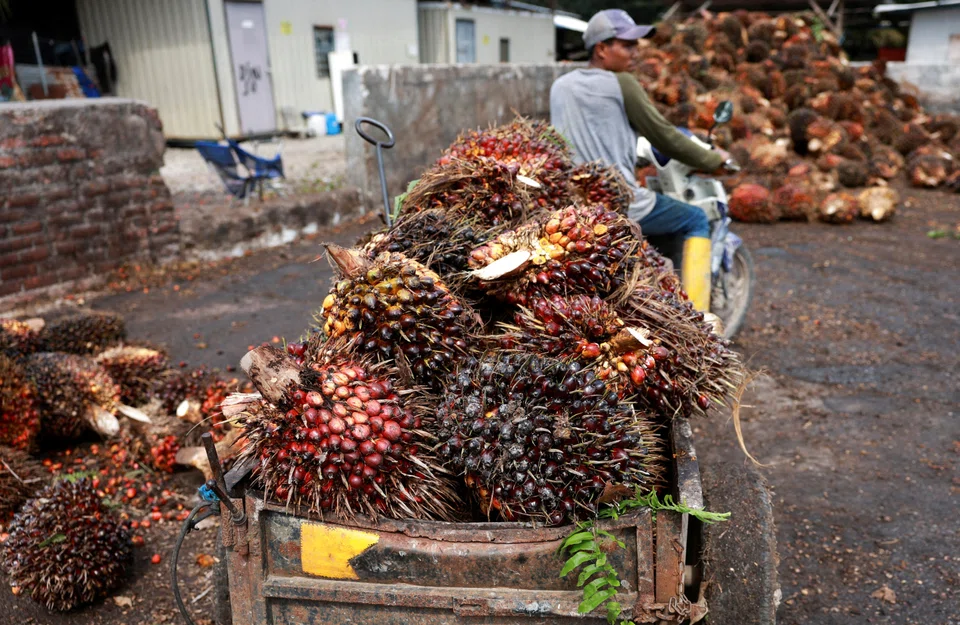
[KUALA LUMPUR] The Malaysian palm oil industry is concerned that Indonesia’s plan to centralise exports of key commodities, including palm oil, could temporarily disrupt export flows and weigh on market sentiment during the transition period, officials said on Thursday (May 21).
Indonesia, the world’s largest palm oil producer and exporter, on Wednesday said it would create a sole exporter of its main commodities, starting with palm oil, coal and ferroalloys, to tighten control over tax revenues and foreign exchange earnings.
“In terms of supply, the policy is not expected to directly affect palm oil production. However, as with any transition in export administration, the market may require time to adjust to new procedures,” the Malaysian Palm Oil Board (MPOB) said in a statement to Reuters on Thursday.
The MPOB said any administrative delays or uncertainty arising from the rollout of the new measures could have short-term implications for shipments and trading sentiment, and factors such as pricing, reliability, and quality would continue to drive the market.
“Some buyers may also review their sourcing strategies to ensure supply continuity, which is a normal market response to administrative or logistical changes,” it said.
Roslin Azmy Hassan, chief executive of the Malaysian Palm Oil Association, said any changes to Indonesia’s export system may create some uncertainty among buyers and traders, especially during the initial implementation.
SEE ALSO




“The main concern is whether the new mechanism could affect the efficiency and speed of exports, which may temporarily tighten supplies and contribute to higher price volatility,” he said.
Demand for palm oil itself is expected to remain strong, as palm oil is an important and competitive edible oil globally, but buyers may start looking at diversifying supply sources if they are concerned about disruptions or delays, Roslin said. Malaysia, the world’s second-largest palm oil producer, could potentially benefit if buyers view its supply as more stable and predictable during this period, Roslin added.
“Malaysia has an established and market-driven export system, and this may provide some advantage should buyers seek alternative or additional supply sources,” he added. REUTERS
Decoding Asia newsletter: your guide to navigating Asia in a new global order. Sign up here to get Decoding Asia newsletter. Delivered to your inbox. Free.
Share with us your feedback on BT's products and services