



Malaysian PM Anwar eyes polls by October as fuel subsidy cut looms: sources
Early elections could sync federal and state votes, helping the government slash election costs
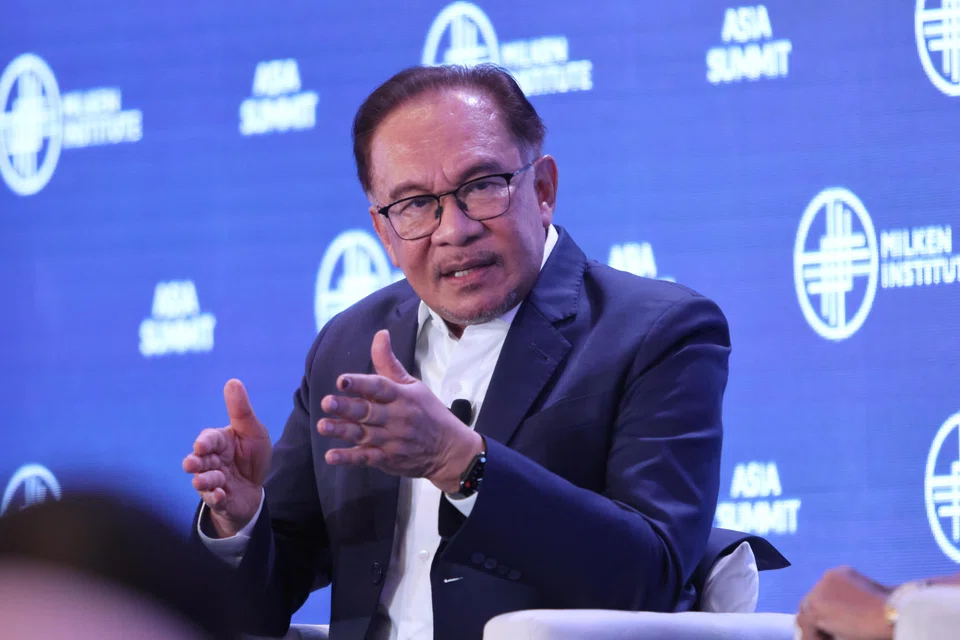
[KUALA LUMPUR] Malaysian Prime Minister Anwar Ibrahim is considering calling for a general election in the third quarter as his government weighs politically sensitive cuts to fuel subsidies amid the global energy crunch, according to people with knowledge of the matter.
Anwar, whose term ends in early 2028, is weighing elections by October, provided his government is not forced to further trim subsidies before then, the people said, asking not to be identified as the information is not public.
Considerations are still at an early stage and no final decision has been made. Anwar’s office and the Finance Ministry did not respond to requests for comments.
Policymakers in the South-east Asian country are already preparing for a more targeted approach in subsidies as soon as the second half of the year, as they expect global energy costs to remain elevated from the war in Iran, the people said. That would likely result in rising fuel prices for higher-income groups to reduce the government’s financial burden.
“The best time to dissolve parliament is before the government is forced to increase the prices of subsidised fuel,” said Adib Zalkapli, founder of Viewfinder Global Affairs, a geopolitical consultancy firm. “Difficult decisions like raising fuel prices can be made after the government wins a fresh mandate.”
Malaysia’s monthly fuel subsidy bill has surged nearly 10-fold to around RM7 billion (S$2.3 billion) since the US-Israeli war with Iran began Feb 28, according to the Finance Ministry, threatening to derail the government’s Budget deficit targets.
Fuel prices carry outsized political weight in the country, where decades of subsidies have made cheap petrol a public expectation and any rollback risks voter backlash.
Malaysia’s Second Finance Minister Amir Hamzah Azizan said this week that while recent reforms have eased the government’s burden, they have not entirely eliminated it “because we have a higher bill” for current subsidies. Deputy Prime Minister Fadillah Yusof said on Tuesday (Apr 21) that the government won’t make any abrupt changes to its fuel subsidy policies.
Before the war started, Anwar was already weighing a vote this year buoyed by a resilient economy, a firmer ringgit and his elevated international profile after hosting world leaders at the Asean summit last year, the people said. Divisions within Malaysia’s opposition coalition – which does not have an official opposition leader – have also given him greater confidence to call an election sooner rather than later.
SEE ALSO

But those plans now have an added sense of urgency with the war driving oil prices higher. Anwar in early April ruled out a snap general election “in the next one or two months” and urged political parties to cooperate in addressing the fallout from the global energy crisis.
Under Malaysia’s constitution, Anwar can dissolve parliament only with the consent of King Sultan Ibrahim Iskandar. While the king generally acts on the prime minister’s advice, he has the discretion to reject a dissolution request.
The desire to call for early polls is also motivated by Anwar’s plan to combine federal elections with some state assembly elections, due in the next 12 months, the people said, which could also help control government costs.
Bellwether states Johor and Malacca, along with Malaysia’s biggest state Sarawak, all have assembly elections due within the next year.
Persistent leadership infighting in Malaysia’s smallest state Perlis is also raising the risk of snap polls there, one of them said. Of those, only Malacca’s leaders are considering calling for polls around the third quarter, the person said.
The timings are still under discussion and any final decision also needs the consent of Malacca’s governor Mohamed Ali Rustam.
Malaysia started to revamp its fuel subsidy regime last year, shifting away from broad-based support towards a more targeted system. Authorities have moved to float petrol prices for foreigners and rolled back blanket diesel subsidies in their bid to narrow the fiscal deficit.
Since the Iran war started, the government has kept the subsidised price of RON95, the most popular and cheapest grade of petrol, at RM1.99 for Malaysians, among the lowest in the world.
Meanwhile, unsubsidised diesel in Peninsular Malaysia hit a record high of RM6.72 per litre in April. The government in March cut the monthly quota caps for subsidised fuels, in a move that was meant to be a temporary to tide over the crisis but has been extended beyond original estimates.
Malaysia is a net crude oil importer, forcing it to rely on purchases from abroad. The nation’s energy giant Petroliam Nasional Bhd said supply for its fuel stations across the country has been secured through the end of June.
Over the past year, Anwar has faced an opposition-led protest demanding his ouster while his coalition performed poorly in December’s Sabah state elections, a slide in fortunes since his approval rating climbed to 55 per cent last June in a Merdeka Center poll. BLOOMBERG
Decoding Asia newsletter: your guide to navigating Asia in a new global order. Sign up here to get Decoding Asia newsletter. Delivered to your inbox. Free.
Share with us your feedback on BT's products and services
TRENDING NOW

DBS, OCBC, UOB rout lops billions off STI as inflation, rate concerns spook investors

Grab CEO’s wife Chloe Tong on life with Anthony Tan and finding her purpose

OCBC sheds S$8 billion in value as shares close nearly 6% down; analysts cautious on banks

Deal between tycoon friends sparks scrutiny of Philippine power sector

