



Malaysia’s April inflation steady at 1.8%, driven by cost of food, personal care
It is below economists’ forecast of 1.9 per cent

[KUALA LUMPUR] Malaysia’s consumer price index (CPI) climbed 1.8 per cent year on year in April, on the back of rising prices of dining out, accommodation and personal-care services, a Department of Statistics Malaysia (DOSM) report indicated on Friday (May 24).
The inflation rate in April was the same as for February and March. The final 1.8 per cent figure, however, is below the forecast of 1.9 per cent made by a group of economists in a recent Reuters poll.
Core inflation, meanwhile, rose by 1.9 per cent from the year before, higher than the 1.7 per cent increase in March.
Although the inflation growth rate has remained steady, economists anticipate that the CPI will rise in the coming months, as the Malaysian government has signalled its intention to implement subsidy rationalisation measures soon.
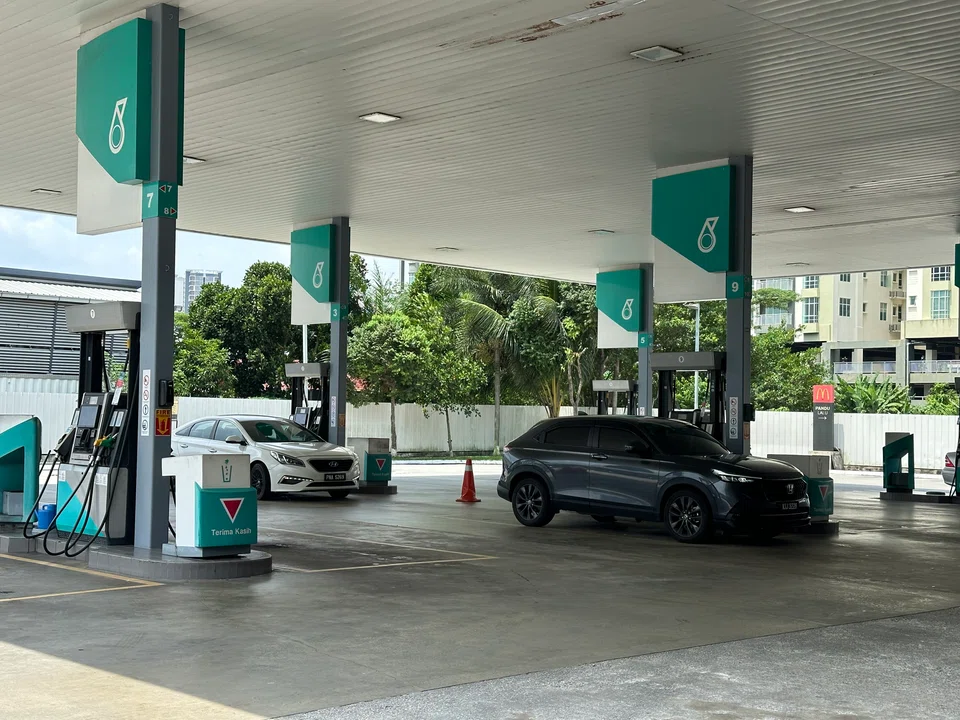
Malaysia’s Prime Minister Anwar Ibrahim has repeatedly highlighted the need to trim the government’s debt levels, by implementing a targeted subsidy programme to replace the current blanket fuel subsidy that costs around RM50 billion (S$14.3 billion) a year.
No clear timeline has been given, but Bank Negara Malaysia governor Abdul Rasheed Ghaffour said on May 17 that the stable economy and moderating inflation growth have made it the right time for the government to move on rationalising the subsidy programme.
Bank Negara estimated that, after accounting for the potential impact of this move, headline inflation will average between 2 and 3.5 per cent this year. Core inflation has been projected to average between 2 and 3 per cent.
UOB maintained a full-year inflation forecast at 2.6 per cent, after considering the final CPI figure and recent developments on price pressures.
In a co-authored report, UOB economists Julia Goh and Loke Siew Ting noted that the direct impact of the blanket fuel subsidy is likely minimal, but the indirect impact from the cost pass-through may cause a ripple effect on consumer prices.
“Given that inflation risks are still tilted to the upside while domestic growth momentum continues to face challenges, we continue to expect the overnight policy rate to be left unchanged at 3 per cent for the rest of the year,” they said.
OCBC senior Asean economist Lavanya Venkateswaran observed that the details of the fuel subsidy rationalisation suggest that the Malaysian government is keen to keep its inflationary impact in check.
“The risk, however small, is that if inflationary pressures become more persistent and pervasive, rate hikes may be back on the table,” she said in a report on Friday.
Stable utility prices offsetting inflation impact
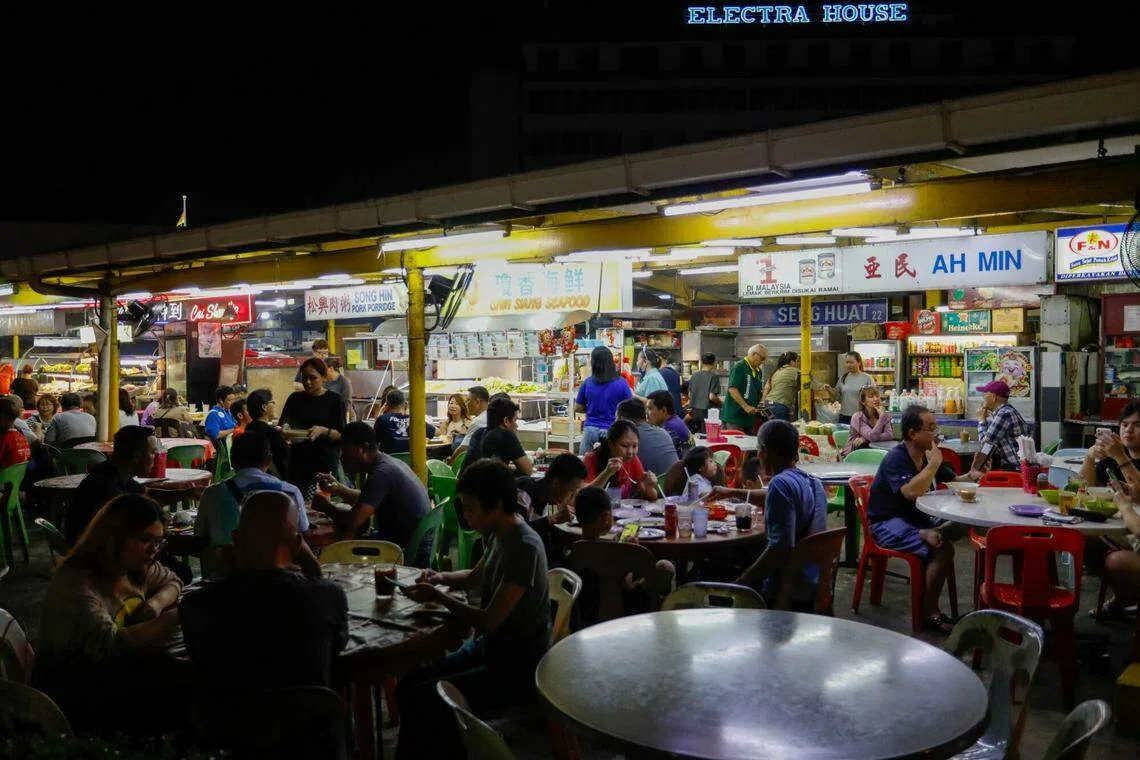
DOSM chief statistician Mohd Uzir Mahidin said the increasing costs of leisure activities, restaurant meals and accommodation, as well as of personal-care and social-protection services, contributed to rising inflation in April.
“However, prices of utilities, gas and fuels, as well as financial services, did not increase. This has offset the increase in inflation,” he added.
The DOSM report indicated that the costs of 343 out of 573 – nearly 60 per cent – of items in the CPI rose in April. Among these, the prices of 11 items went up by more than 10 per cent, while the prices of 135 items fell.
Prices of food and beverages, which constitute nearly 30 per cent of the total CPI, rose more slowly (by 2 per cent) in April than the year before.
Prices of housing, water, electricity, gas and other fuels – contributing to 23.2 per cent of the total CPI – rose 3 per cent in April.
Malaysia’s April inflation rate was lower than that in several Asia-Pacific countries, such as the Philippines’ 3.8 per cent, South Korea’s 2.9 per cent and Indonesia’s 3 per cent.
Globally, the eurozone’s inflation was flat at 2.4 per cent; the inflation rate in the US eased to 3.4 per cent in April.
TRENDING NOW

Indonesia’s coal tycoon Low Tuck Kwong replaced as Bayan Resources president-director

Nvidia reinstates Jensen Huang as CEO; Trump says move poses no national security risk

Six workers file employment claims against Crystal Jade Food Manufacturing

AI agents and stablecoins a ‘perfect match’ for payments, says MetaComp’s Tin Pei Ling

