



Bank Negara Malaysia holds key rate steady, flags risks from Middle East crisis
The latest indicators show the country’s Q1 growth momentum continues, driven by domestic demand and strong exports
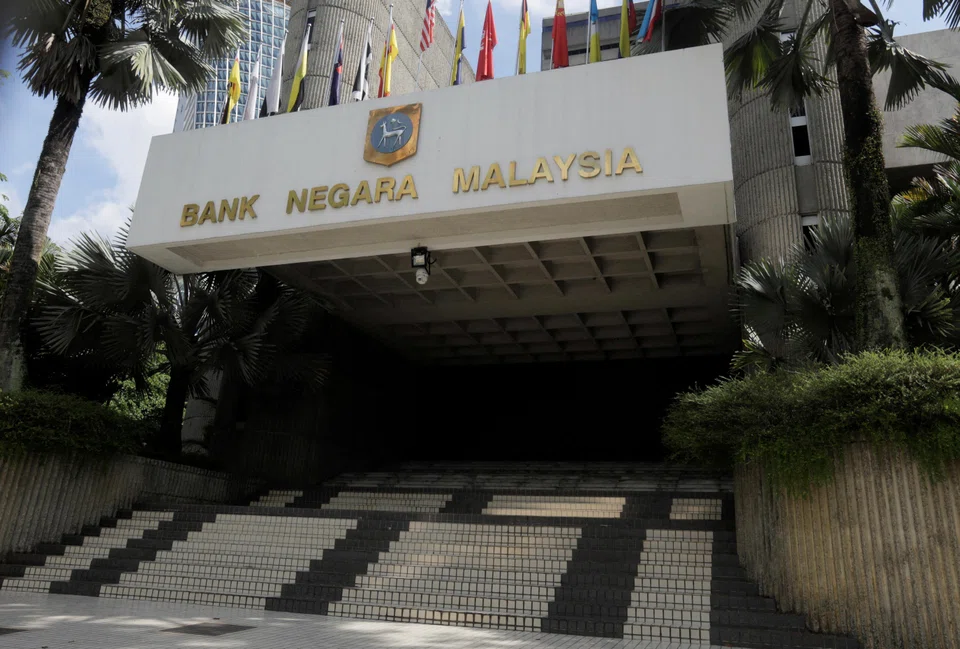
[KUALA LUMPUR] Malaysia’s central bank on Thursday (May 7) held its benchmark interest rate steady, warning of risks to domestic growth and inflation from the prolonged conflict in the Middle East.
Bank Negara Malaysia (BNM) maintained its overnight policy rate at 2.75 per cent for the fifth straight policy meeting, as predicted by all 28 economists polled by Reuters. It last cut rates in July 2025.
BNM said its current monetary policy stance was considered to be “appropriate and consistent with the outlook of continued price stability and sustainable economic growth.”
Latest indicators point to continued growth momentum in Malaysia in the first quarter, though uncertainty over the duration and severity of the Middle East conflict could weigh on the outlook, it said.
“Nevertheless, Malaysia’s strong fundamentals will continue to underpin the economy’s resilience,” the central bank said.
Malaysian stocks and the ringgit were largely unchanged following the rate decision.
Malaysia’s economy is expected to grow between 4 to 5 per cent in 2026, easing from the 5.2 per cent expansion last year.
Advance estimates showed gross domestic product rose 5.3 per cent year on year in the first quarter, with final data to be released on May 15.
BNM said higher global commodity prices arising from the war in Iran were expected to raise domestic cost pressures, though the impact should remain contained.


Headline and core inflation averaged 1.6 per cent and 2.1 per cent respectively in the first quarter of 2026, it said.
Most economists polled forecast no change to the policy rate for the rest of the year, with just two of 22 expecting a 25 basis point hike in the next quarter.
In a note, Oxford Economics said risks were skewed towards a hike in the second half “if inflation surprises to the upside through broader spillovers, especially in food, or a stronger pass-through of labour costs.”
Barclays’ Brian Tan said higher oil prices would likely pressure the government to raise the price of the subsidised RON95 transport fuel soon, resulting in an uptick in inflation without further risks to growth.
“This is likely to then encourage the central bank to reverse last year’s rate cut to help limit any broadening of inflation pressures,” he said.
The government’s subsidy bill has ballooned tenfold to about RM7 billion (S$2.7 billion) a month since before the war’s outbreak in late February, the finance ministry has said. REUTERS
Decoding Asia newsletter: your guide to navigating Asia in a new global order. Sign up here to get Decoding Asia newsletter. Delivered to your inbox. Free.
Share with us your feedback on BT's products and services
TRENDING NOW

Grab CEO’s wife Chloe Tong on life with Anthony Tan and finding her purpose

Hwa Seng Builder, two China companies win S$1.2 billion Tuas Road Viaduct phase two contracts

Deal between tycoon friends sparks scrutiny of Philippine power sector

Canada is upping oil flows to Asia, but South-east Asia’s refineries aren’t ready to handle them yet

