



Malaysia’s CIMB completes US$342.7 million tokenised sukuk pilot
It is part of a RM1.7 billion (US$417.2 million) islamic bond issuance across 5 to 15-year tenors
 Add BT as a preferred source
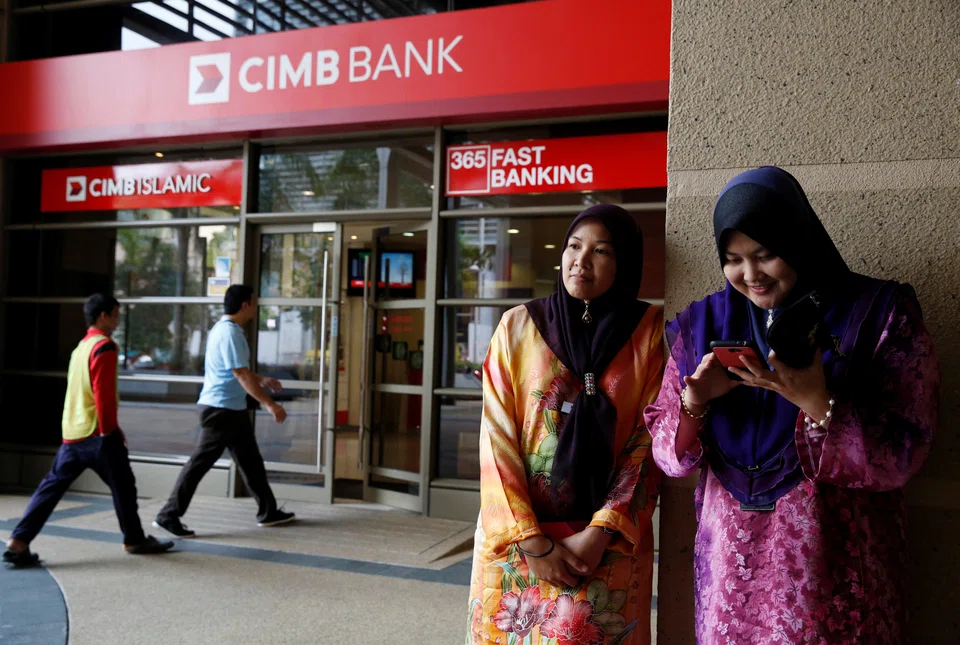
[KUALA LUMPUR] CIMB Group has completed a pilot using tokenised deposits to settle almost RM1.4 billion (US$342.7 million) of tokenised sukuk, marking a significant test of how digital assets and commercial bank money could be integrated into Malaysia’s capital markets.
In a statement on Thursday (Aug 27), the country’s second-largest lender by assets said the pilot was conducted as part of a RM1.7 billion issuance under CIMB Islamic Bank’s existing RM10 billion Senior Sukuk Wakalah Programme, with tenors ranging from five to 15 years.
Of the total issuance, RM1.4 billion was represented in tokenised form and subscribed by 12 institutional investors, while the remaining RM300 million was issued as traditional sukuk.
The exercise was carried out under Bank Negara Malaysia’s Digital Asset Innovation Hub, which provides a controlled environment for financial institutions to test digital asset applications.
CIMB has also been engaging with the Securities Commission Malaysia on the development of tokenised capital-market products.
Tokenisation allows conventional financial assets such as sukuk to be digitally represented using distributed ledger technology.
Tokenised deposits, meanwhile, represent commercial bank money in digital form and can potentially be used to settle transactions involving tokenised assets.
Pairing the two could allow financial transactions to become more automated and settlement processes more integrated, potentially reducing delays and improving liquidity management and capital efficiency.
Moving beyond theory
The tokenisation process does not change the underlying economic or Shariah structure of the sukuk, CIMB said.
SEE ALSO




Malaysia’s Second Finance Minister Amir Hamzah Azizan said the pilot showed how the country could build on its existing strengths in Islamic finance and capital markets as financial infrastructure becomes increasingly digital.
“This pilot is important because it moves tokenisation beyond theory and tests how digital financial assets and commercial bank money can work together in a controlled environment,” he said.
“The objective is not digitalisation for its own sake, but to explore whether technology can make financial markets more efficient, transparent and connected while preserving strong standards of governance, investor protection and Shariah compliance.”
CIMB’s group chief executive officer Novan Amirudin said the pilot also provided the banking group and regulators with practical insights into the operational, legal and regulatory requirements surrounding tokenised financial transactions.
“The potential benefits are practical. Greater automation and faster settlement could reduce friction in financial transactions, improve liquidity management and increase capital efficiency,” he said.
Novan added that experience from the exercise would help CIMB assess how such capabilities could be developed further in Malaysia and potentially applied to regional and cross-border transactions.
Beyond the initial issuance and settlement, the pilot could provide insights into how tokenised instruments might support subsequent lifecycle events, including coupon distributions, secondary-market transfers and redemption, said CIMB.
Decoding Asia newsletter: your guide to navigating Asia in a new global order. Sign up here to get Decoding Asia newsletter. Delivered to your inbox. Free.
Copyright SPH Media. All rights reserved.
TRENDING NOW

Asia-Pacific aviation: is up really the only way?

Singapore Airlines faces some bleak choices as it lays trapped in Air India’s money pit

Car rental firm RentLah sues former director, dealer Skyway over alleged 95-vehicle fraud

MSCI drops S-E Asian heavyweights Sembcorp, GoTo and Ayala Land from global benchmarks

