



Malaysia’s Q2 GDP growth beats forecasts at 5.9%
Most sectors register higher growth, driven mainly by growth in the services and manufacturing sectors

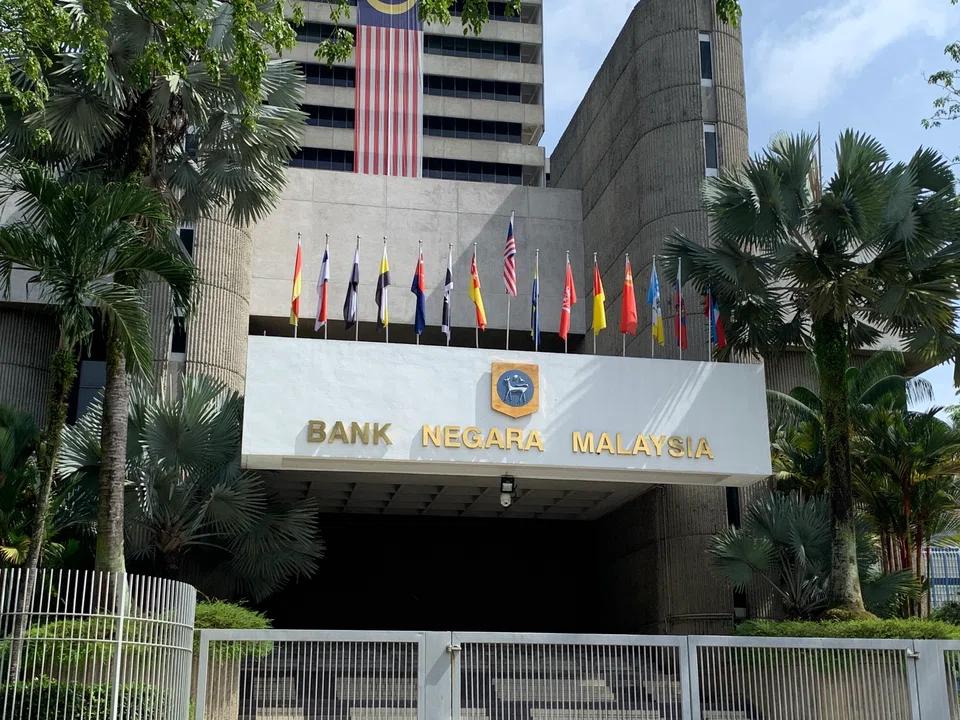
[KUALA LUMPUR] Malaysia’s economy expanded by 5.9 per cent in the second quarter compared to Q2 the year before, supported by stronger domestic demand and further growth in exports, said Bank Negara Malaysia on Friday (Aug 16).
The final figure exceeded the forecast of 5.8 per cent by a group of economists in a recent Reuters poll, and the advance estimates of 5.8 per cent by the Department of Statistics Malaysia (DOSM).
DOSM chief statistician Mohd Uzir Mahidin, speaking to the media on Friday, attributed the growth to higher household spending, continued progress in multi-year projects, capacity expansion by the private sector, and improved exports.
“Exports improved amid higher external demand and positive spillovers from the global tech upcycle,” he said.
Between April and June, Malaysia’s private consumption rose 6 per cent year on year; public consumption rose 3.6 per cent year on year. Net exports grew 3.4 per cent from the year before.
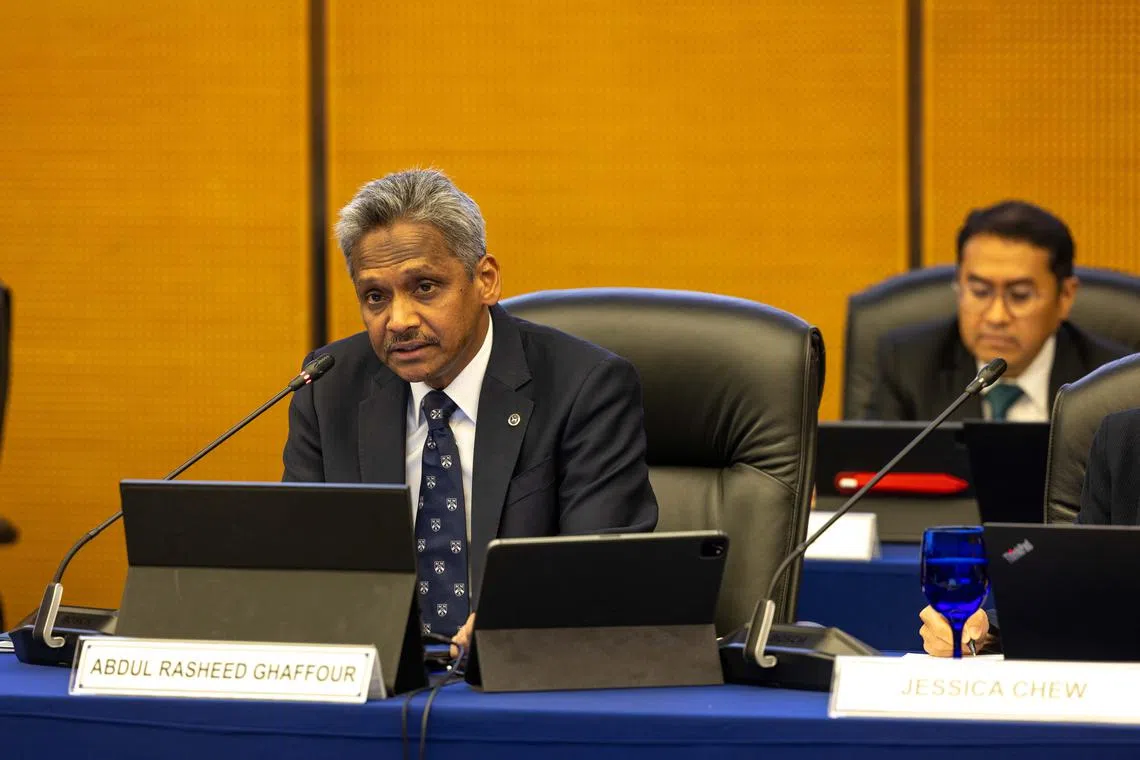
Bank Negara Malaysia governor Abdul Rasheed Ghaffour said most sectors registered higher growth, driven mainly by the services and manufacturing sectors.
The services sector, which accounts for more than half the country’s economic output, rose 5.9 per cent year on year. The manufacturing sector grew 4.7 per cent.
Production in the mining sector went up 2.7 per cent year on year in Q2, while that of the construction sector rose 17.3 per cent during the quarter.
Abdul Rasheed said the manufacturing sector was supported by broad-based improvement across all clusters, particularly in electrical and electronics. Growth in the services sector was driven by consumer and business-related sub-sectors.
He indicated that following the strong performance in the first six months of the year, the central bank anticipates that full-year gross domestic product growth may hit the upper end of its previous projection of between 4 and 5 per cent.
“Growth in the second half of 2024 will be driven by domestic spending, with continued strong support from external demand,” he added.
With improved external demand, economists are optimistic that Malaysia’s economy will continue expanding in the second half of 2024.
OCBC has revised its 2024 GDP forecast to 5 per cent, from 4.2 per cent earlier, following Friday’s announcement; it noted that private consumption and pending investments have offset the lower public-sector contribution.
OCBC senior Asean economist Lavanya Venkateswaran said: “Our forecast is for GDP growth to remain strong, averaging 4.9 per cent year on year in coming months, supported by the bottoming out of the global electronics down cycle, higher investment spending and resilient household spending.”
ANZ Research economists Arindam Chakraborty and Sanjay Mathur noted in a report that the Malaysian government’s ongoing programmes to enhance the digital economy will attract more investment, which will, in turn, stimulate private-sector spending.
MIDF Research expects that domestic spending will remain strong, driven by an improved job market and wage increases.
MIDF said in a report that cash assistance from the government, and access to the flexible account of the Employees Provident Fund also contributed to the growing consumption expenditure.
Ringgit strengthening
Abdul Rasheed said that the robust economic outlook is evident from the ringgit’s recent positive trajectory, which indicates a recovery from its previous performance.
“I believe the recent ringgit trend indicates a recovery, as it is moving in the right direction, in terms of being more reflective of the nation’s fundamentals, and the economy’s strong prospects.”
Bank Negara said that the ringgit had appreciated by 3.1 per cent against the US dollar as at Aug 13. On a nominal effective exchange rate basis, the currency rose by 5.3 per cent.
But the governor reiterated that the ringgit remained undervalued for now, and has not yet achieved what the central bank considers “a comfortable level”. However, he did not specify a particular figure.
As at Friday, the ringgit traded at RM4.4386 against the greenback, nearly 3.3 per cent higher than the RM4.5892 level at the start of the year. Against the Singapore dollar, it appreciated over 4 per cent to RM3.3622, compared with RM3.4778 on Jan 1.
The repatriation of funds by government-linked companies, corporations and investors has contributed to the ringgit’s strengthening, said Abdul Rasheed, noting that the government and central bank’s efforts have led to more stability and increased inflows into the foreign-exchange market.
The daily average foreign-exchange trading volume rose to US$18 billion between Feb 26 and Aug 13. The bid-ask spread was also narrower, indicating improved liquidity in the domestic forex market.
Impact of removing diesel subsidy
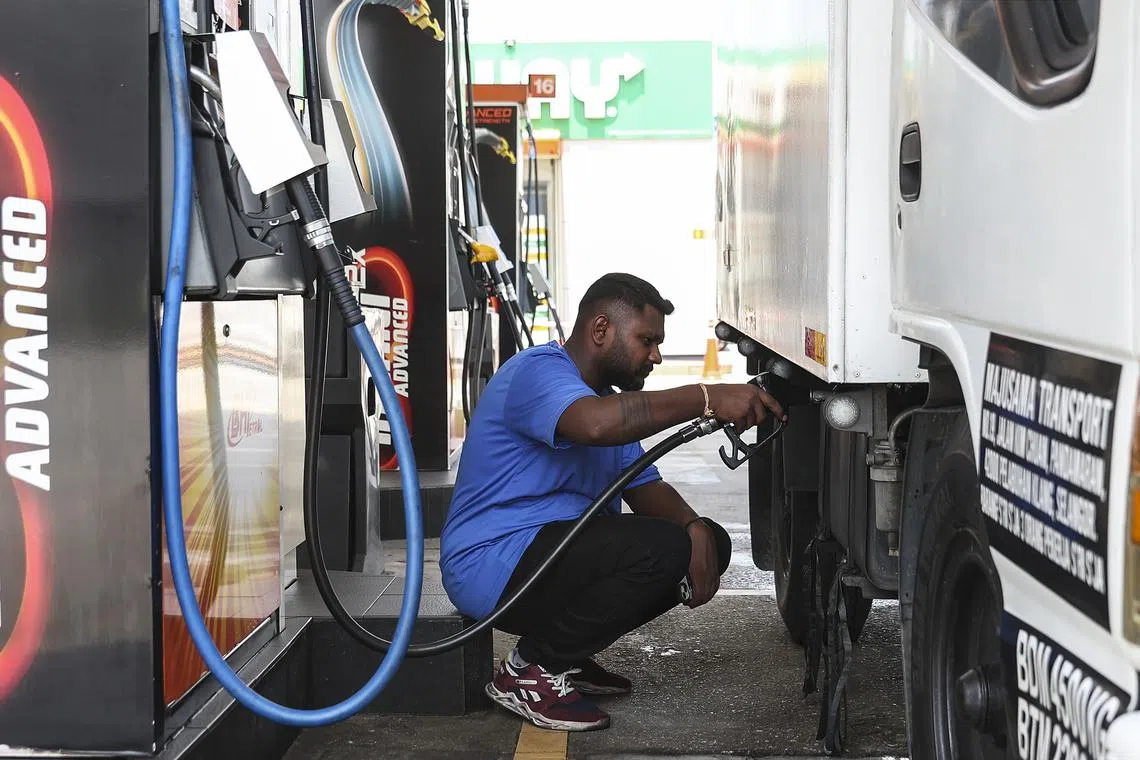
Between April and June, Malaysia’s headline and core inflation edged higher at 1.9 per cent, up from the previous quarter’s 1.7 per cent and 1.8 per cent, respectively. The governor said this was largely driven by higher housing and utilities inflation at 3.1 per cent, compared with 2.6 per cent in the first quarter.
In the first six months of 2024, headline and core inflation averaged 1.8 per cent. Abdul Rasheed expects both headline and core inflation to continue to rise in the second half of the year, driven by the ongoing effects of the removal of the diesel subsidy; the change that took effect in June has led to heightened cost pressures.
“Nevertheless, the impact will remain manageable, given the measures by the government to minimise the cost impact to businesses,” he added.
The central bank maintained its headline inflation forecast at within 2 to 3.5 per cent. Core inflation, meanwhile, is projected to stay between 2 and 3 per cent.
TRENDING NOW

Singapore identifies 7 firms responsible for haze fires, notices issued urging action: Grace Fu

Could stablecoins be the future of money?

Singapore should prepare for prolonged haze until November, says Grace Fu

High Court rules against Julius Baer’s Singapore trust arm in US$50 million family trust dispute

