Malaysia’s Sarawak seeks billion-dollar gains in global decarbonisation market
The state’s extensive forests, geological structures suitable for carbon injection and hydropower resources hold much economic potential

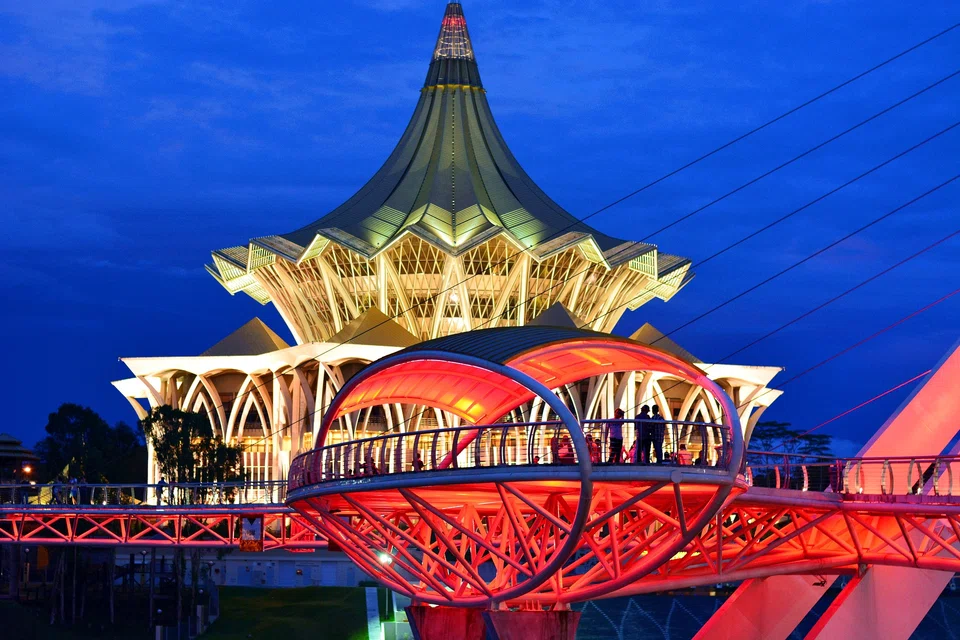
[KUALA LUMPUR] Malaysia’s largest state Sarawak might be more known for its commodity exports, but it has big plans to enter the lucrative carbon trading business, leveraging on its extensive forest resources and renewable energy projects.
Timothy Ong, the chief executive officer of InvestSarawak, said the global focus on carbon neutrality is intensifying as low production costs alone are no longer sufficient for market success.
InvestSarawak is a government agency that is dedicated to attracting foreign direct investment into the state.
“With vast permanent forests serving as natural carbon sinks, Sarawak can implement carbon sequestration to generate valuable carbon credits, positioning it as a key player in the expanding carbon-offset market,” he told The Business Times.
Although the plans are still in the initial stages, Sarawak’s state government has already started to explore opportunities in this sector. It has granted several permits to local companies, including SaraCarbon, to develop forest carbon projects.
Revenue generator

The resource-rich state on the island of Borneo also benefits from geological structures suitable for carbon injection, noted Ong. This puts the state in a strong position to explore the development of carbon capture and storage projects.
With an estimated potential capacity of five billion to nine billion tonnes of carbon storage, Sarawak stands to generate substantial revenue, he added. “Assuming a conservative estimate of US$1 per tonne of storage, Sarawak could potentially earn up to US$9 billion annually from carbon storage initiatives.”
According to figures by US-based market research consultancy Grand View Research, the size of the world’s decarbonisation market was estimated at US$1.68 trillion in 2022. It is anticipated to grow at a compound annual growth rate of 11.6 per cent from 2023 to 2030 to reach US$4.06 trillion by 2030.
This significant economic opportunity, along with the ongoing renewable energy developments, makes Sarawak a key player in the global carbon market and aligns with international efforts to combat climate change, said Ong.
Last November, Sarawak became the first state in Malaysia to enact legislation on carbon trading. The passing of the Environment (Greenhouse Gas Emissions Reduction) Bill opens the doors to green energy fuel utilisation and a reduction of carbon emissions.
Observers said the law marked a major step for the East Malaysian state, which has long relied on its rich natural resources, particularly oil, gas, and agricultural commodities such as palm oil, to drive its economy.
Pioneer in green economy
Recent developments have seen Sarawak shifting its focus to move up the value chain in the green economy, said Hafidzi Razali, director of government advisory consultancy firm Consulum.
In recent years, Sarawak has harnessed its vast potential in renewable energy, particularly hydrogen gas and solar power, and attracted investments in sectors such as electronic manufacturing and petroleum.
Hafidzi noted that Sarawak’s hydrogen agenda aligns with Malaysia’s broader national policy, particularly the Hydrogen Economy and Technology Roadmap that aims to integrate hydrogen into the country’s renewable energy mix.
“Sarawak’s early-mover advantage could also potentially turn the state into a major regional hydrogen producer, with projected output close to that of Saudi Arabia,” he added.
Nur Farah Syifaa, an analyst at Maybank Investment Bank, pointed to Sarawak’s abundant hydropower resources as a key competitive advantage in the production of green hydrogen through electrolysis.
“Sarawak is leading the way with the development of large-scale hydrogen production hubs and collaborations with multinational companies, including those from South Korea and Japan, with plans to export green hydrogen,” she said.
Renewable energy exports
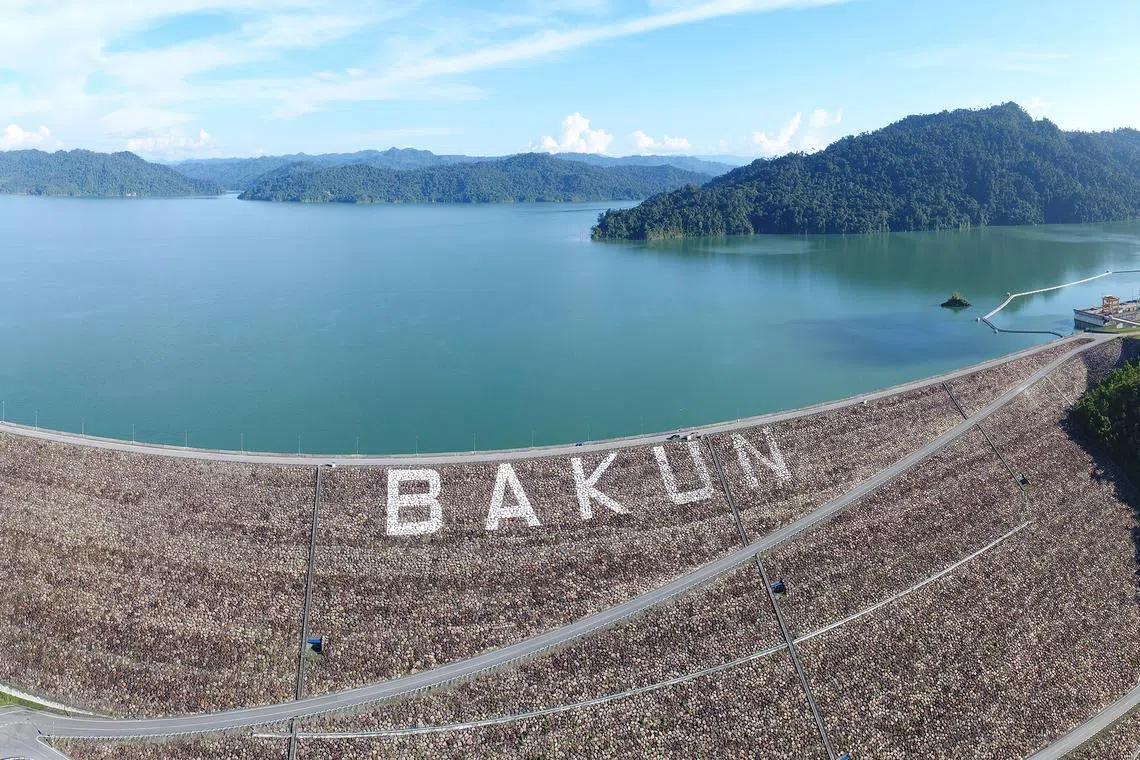
Sarawak is also aiming to supply up to 10 gigawatts (GW) of renewable energy, mainly from its large hydroelectric power dams, by 2030. The state’s current generation capacity is 5,745 megawatts (MW), exceeding the present electricity demand of 4,627 MW.
The surplus capacity will allow Sarawak to export electricity to its neighbours, such as to West Kalimantan in Indonesia.
Singapore, meanwhile, is in advanced talks to purchase up to 1 GW of renewable energy, mainly hydropower, from Sarawak by 2032. This arrangement will contribute to Singapore’s goal of importing 4 GW of low-carbon electricity by 2035, accounting for 30 per cent of its power needs.
A proposed 700 km submarine cable linking Sarawak and Singapore will facilitate this, with about 70 per cent of the cable passing through Indonesian waters.
Ong said the renewable energy exports deal with Singapore is not merely profit-driven but aims to establish a closer relationship with Singapore.
Currently, Singapore and Malaysia have agreed on undersea cable development, although both parties still need approval from Jakarta as the cables will pass through Indonesia.
Competitive edge
Ong added that though Sarawak was once considered as less developed compared with the states in Peninsular Malaysia, its recent progress represents a leap forward, with new infrastructure development catering to the state’s future needs.
For example, the first phase of the Kuching Urban Transportation System features hydrogen-powered buses that began operations in 2020.
Sarawak Premier Abang Johari Openg has set a target to double the state’s gross domestic product from RM140 billion (S$40.1 billion) in 2023 to RM282 billion by 2030. This requires Sarawak to achieve an annual growth rate of 8 per cent until 2030.
Ong added that recent announcements – such as establishing its own sovereign fund, becoming a data centre hub, investing in renewable energy, and even plans to launch its own airline – will help enhance the state’s ecosystem, attract investment, and facilitate business in various sectors.