Maturing startup ecosystem brings new business models to Indonesia

Benjamin Cher
INDONESIA’S startup ecosystem is showing signs of maturity as solutions emerge to tackle problems that are not as obvious, and foreign startups move in to try to make their mark in South-east Asia’s most populous market.
On ground already well-covered by giants such as Grab, Gojek and Bukalapak offering access to consumer goods and services, one startup stands out for its bid to define and build on an informal economy.
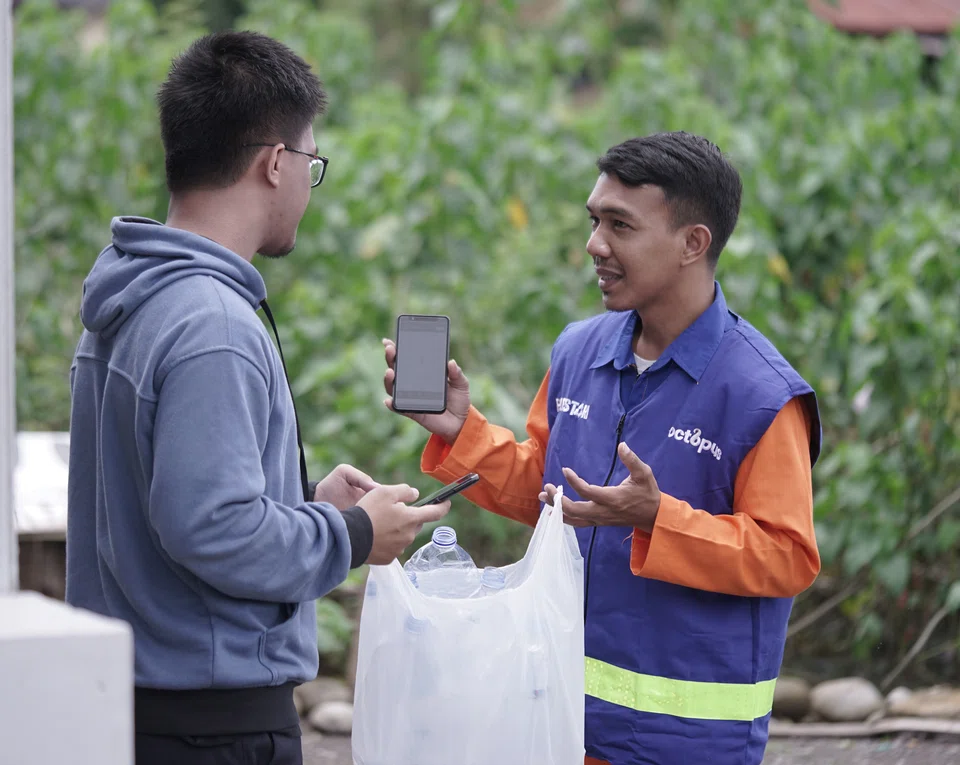
Octopus, launched in October 2021, is trying to promote a circular economy through picking up recycling. Its efforts bring to the fore an informal sector where waste collectors scrounge the streets of Indonesia for recyclables that they could sell.
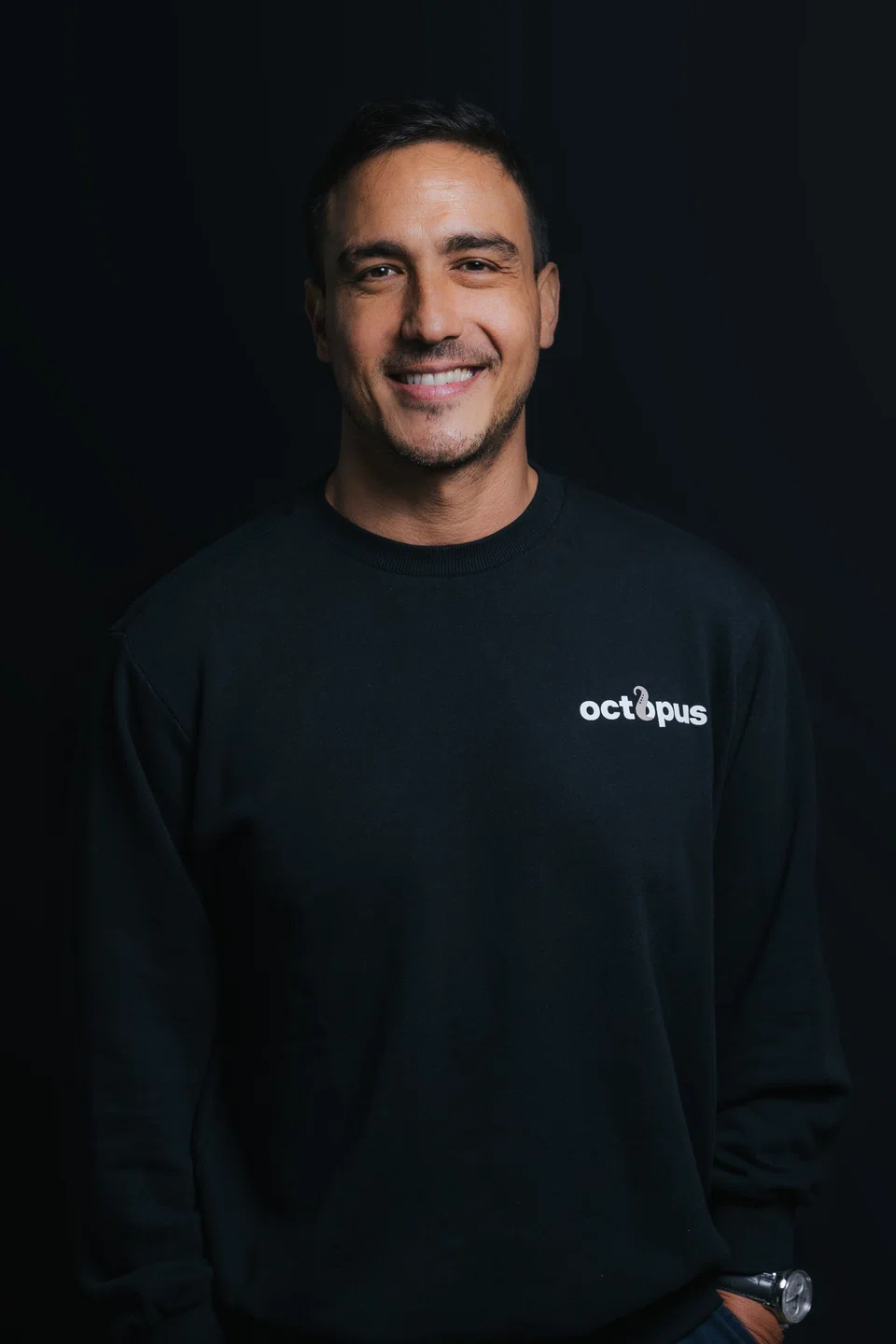
“We actually started in eastern Indonesia, in Makassar. We thought that if we can do it in the east first where people might not be as savvy and educate them, then we can bring the business model anywhere,” said Hamish Daud, the co-founder and chief marketing officer of Octopus.
Recycling companies often do not take all of the offered recycled materials due to contamination. Rejection rates can go as high as 54 per cent in Indonesia, said Daud. With Octopus, waste collectors – an often shunned group in Indonesia – are trained to recognise what sort of materials recycling companies will accept.
The result is that “now there is less than 1 per cent rejection rate with us, and all the recycling industries are coming to us”, he said.
The startup also provides an app for customers to book a hired waste collector to pick up their recycling. Recycling through Octopus gives customers points to redeem with various partners and merchants for things like mobile data, electricity bills among others.
Besides selling to recycling companies, Octopus also collects and tracks used packaging from products by fast moving consumer goods (FMCG) companies. The data is then sold back to FMCG companies to help them understand customer behaviour. This segment has become lucrative enough to be one of the revenue streams for Octopus besides recycling.
“I can tell you what time, whereabouts, the size, the brand, the consumer behaviour behind it. Maybe you bought it in Pondok Indah, but you live in Bintaro, I can track all that,” said Daud.
Daud said his business has created over 20,000 jobs in the last two years, and the collectors are paid above the minimum wage. Investors too seem sold on the concept, giving the startup a US$5 million funding round in July this year.
Coming into Jakarta, Octopus’ model had to change to fit in the hustle and bustle of life in the capital city. Due to how long a collector would take to reach someone to collect their recycling in Jakarta, Octopus has partnered the likes of Grab to arrange pick-ups.
Octopus is now looking beyond consumers to scaling their business-to-business (B2B) segment as well; and last month, it signed up conglomerate Astra’s Menara Astra building.
“This is a corporate city. We want to be as effective as we can, and B2B is very exciting for us now,” said Daud.
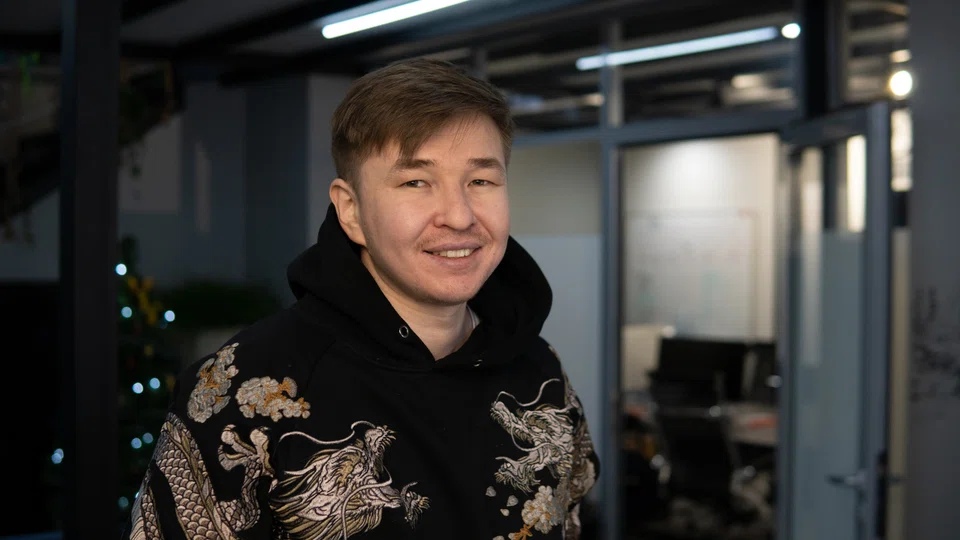
Indonesia is also attracting startups from beyond its own island archipelago, with Kazakhstan startup Clockster’s founder Yerjan Ryskaliyev moving to the capital city in May 2022. Clockster bucked the convention of starting a South-east Asia expansion with Singapore first, bypassing the city-state entirely for Indonesia.
The human resource management platform for blue-collar workers is already a market leader in the Central Asian country, and is looking to expand its operations to a country that it sees as sharing some similarities with Kazakhstan.
“The (Indonesia) sales process is more or less similar to Kazakhstan. In Indonesia, there is a culture of bargaining similar to Kazakhstan, and with similar levels of development,” said Ryskaliyev.
The decision to start in Indonesia was not a snap one, as Ryskaliyev had been shuttling back and forth between Kazakhstan and South-east Asia before the pandemic.
Having studied the region, he found South-east Asia to be culturally closer to Kazakhstan, and presented a natural growth strategy with a product that fits better in this region than in Europe or the US. If Clockster were to expand into Europe or US, it would have to build its product from scratch to better suit those markets.
The market opportunity for Clockster is bigger in Indonesia compared to its home market of Kazakhstan, with a population size of over 14 times bigger than the 18.8 million in Kazakhstan. With a solution that fits the local market needs, Clockster already had some customers in Indonesia before a big promotional push in January 2022, and it has secured a US$750,000 Series A funding led by venture capital firm Quest Ventures.
The startup offers a platform for companies to manage their shift workers, from scheduling to payroll to communicating shift changes. It is also building a marketplace for employee benefits, allowing companies to integrate services such as earned wage access platforms. Clocksters’ pricing model is currently free for companies with 30 or fewer employees, with a yearly subscription fee for companies with more employees.
“In the last three months, we’ve grown our business leads by 25 per cent, and increased conversion rate to 5 per cent. We’re still at the stage of localising our product, and figuring out what are the issues our customers have to solve it,” said Ryskaliyev.
Clockster is looking to tap the micro, small and medium-sized enterprise market in Indonesia, which employs the majority of blue-collar workers. The HR platform is a means to build a database of blue-collar workers.
With the churn rate of blue-collar workers at around 30 per cent, the startup sees an opportunity to push other jobs that the leaving worker might be interested in. Building up an ecosystem of companies will provide more employment opportunities for the eventual database of workers, which in turn helps keep the companies adequately staffed.
“We are moving towards an ecosystem approach for staffing rather than a single product solution, we will naturally be able to offer hiring opportunities for blue-collar workers as our network and capabilities grow. Once a person is in our system, when he leaves one job, it will be easy for him to find another job inside our system within the community or region he lives in,” said Anuar Seifullin, the chief financial officer of Clockster.
The emergence and growth of startups like Octopus and Clockster underlines the maturing of the Indonesian startup ecosystem, which has already birthed nine unicorns and two listed giants.
But Indonesia is not without its obstacles. The speed of business and government processes in the island archipelago is a lot slower than companies would like. Then there are some cultural nuances in doing business that one has to grasp.
“In general, the work schedule of people looks a bit shorter, because people keep postponing things, (unlike in) Singapore,” said Ryskaliyev.
While the funding slowdown has hit the Indonesia startup ecosystem, early-stage startups are still seeing some deals happen even as the funding timelines are getting stretched. Another waste management startup, Waste4change, recently scored a US$5 million Series A funding, proving that there is both market and investor interest in such startups.
With Indonesia’s market size and economic potential, more of such startups could be waiting in the wings.
This story is part of an ongoing BT regional series on South-east Asian markets. In the coming months, BT journalists will head to different countries in the region to bring you the latest from the ground.