



Maybank CEO Khairussaleh Ramli expects cross-border money flows to sizzle as Johor-Singapore SEZ takes off
Khairussaleh says there has already been a 60% jump in cross-border transactions in 2024 from the year before

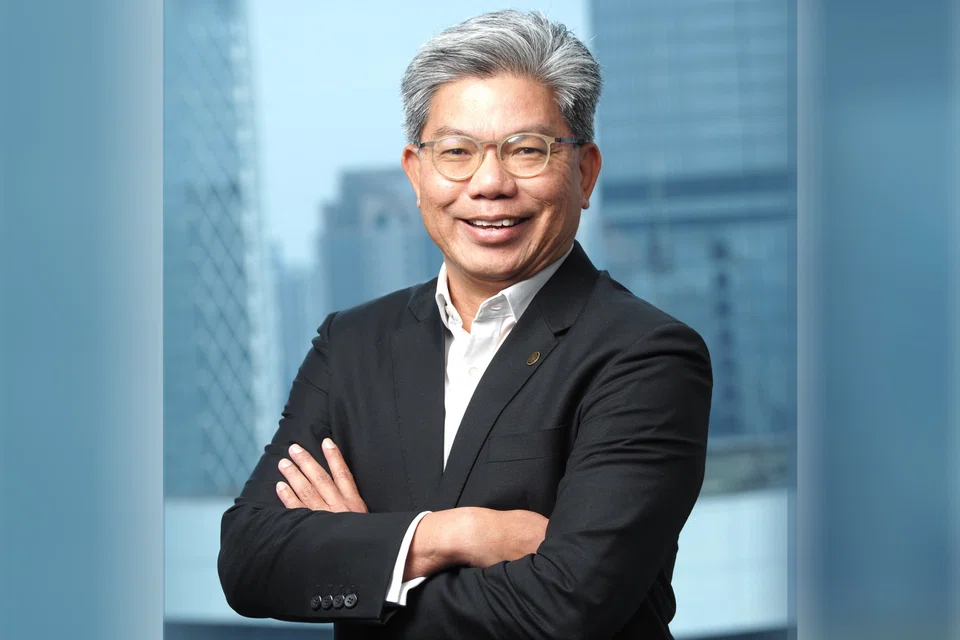
[KUALA LUMPUR] The Johor-Singapore Special Economic Zone (JS-SEZ) has banks rubbing their hands in anticipation of a cross-border boom, and Malaysia’s largest bank Maybank is no exception.
The bank’s group president and chief executive officer Khairussaleh Ramli said Maybank has recorded a rise of nearly 60 per cent in cross-border transactions – 366,700 in 2024, from 229,900 in the year before.
These transactions were facilitated by the Maybank Overseas Transfer (MOT) platform, enabling real-time fund transfers between Malaysia and Singapore at competitive rates and fees.
The surge in transaction volume highlights the economic zone’s transformative power to boost cross-border transactions, enhance trade flows, and strengthen regional financial ties, driving a surge in transaction volumes, said Khairussaleh in an e-mail interview with The Business Times.
Maybank’s cross-border QR payments have also shown positive growth traction. There have been more than three million transactions totalling RM250 million (S$76 million) since May 2023.
“Our focus on cross-border convenience has driven the growth of active digital customers to over 9.9 million across Malaysia, Singapore, Indonesia, the Philippines and Cambodia,” said Khairussaleh.
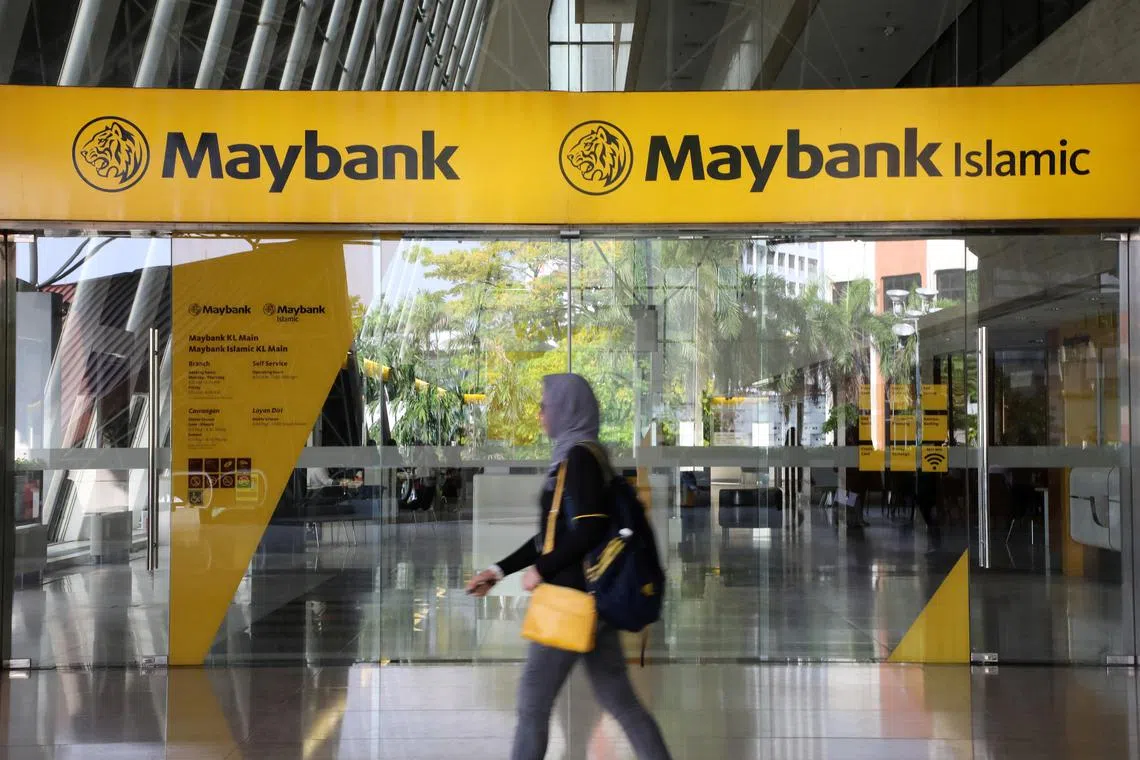
Maybank’s network of 37 branches in Johor and 18 in Singapore – the most among foreign banks in the city-state – offers a solid foundation to facilitate investor expansion in the region, he noted.
Maybank is South-east Asia’s fourth-largest bank by assets. As at last September, its total assets stood at RM1.05 trillion (S$319 billion). By comparison, UOB, ranked the third-largest bank in South-east Asia and in Singapore, reported total assets of S$542 billion as at September 2024.
Maybank, which has a market capitalisation of around RM122 billion, recorded a net profit of RM7.5 billion and revenue of RM22 billion in the first nine months of 2024, driven by robust loan growth and higher fee-based income.
Good intentions
Khairussaleh, Maybank’s chief since May 2022, has nearly 30 years of experience in financial services and capital markets, and had held leadership roles at RHB Banking Group and Maybank Indonesia.
He is hoping that the JS-SEZ, covering an area more than four times the size of Singapore, would – true to its goals – unlock opportunities across high-growth sectors, including energy transition, the halal industry, and the Forest City Special Financial Zone (SFZ).
“With the Corporate Renewable Energy Supply Scheme in place, businesses will gain access to green electricity in the JS-SEZ, making it an attractive destination for sustainable and transition finance,” he said.
He noted that this scheme is particularly relevant for Singapore companies, as the country has pledged to have 30 per cent of its energy supply come from renewable sources by 2035.
Malaysia is also facilitating this transition, having invited companies in April 2024 to take part in an auction to supply 100 megawatts of green electricity to Singapore using existing interconnections.
Khairussaleh said that Maybank is thus prepared to support customers in the JS-SEZ with finance solutions tailored to sustainability and transition needs.
Between 2021 and September 2024, Maybank facilitated around RM105 billion in sustainable finance, and set up dedicated capabilities to provide advice on sustainable and transition finance solutions.
Citing the halal industry as another key growth area, Khairussaleh said the JS-SEZ is positioned to serve as a global hub for halal-certified products.
It was reported that the global halal market – spanning food and beverages, pharmaceuticals and personal care – is projected to reach US$5 trillion by 2030.
“Through our solid global Islamic banking experience in Asean, we are strategically positioned to assist in providing syariah-compliant Islamic finance, and also to enable access to the halal ecosystem and marketplace for businesses,” he added.
Meanwhile, the SFZ set up in Forest City, the integrated residential development off south-western Johor, holds promise for growth in Islamic wealth management. Khairussaleh said the tax exemptions in the SFZ could attract family offices and other wealth-management ventures, further enhancing the appeal of the JS-SEZ.
These advancements, supported by Malaysia’s JS-SEZ infrastructure fund and Singapore’s targeted incentives, are expected to drive economic development within the zone, creating opportunities for banks to capitalise on the resulting growth in cross-border activities.
Khairussaleh added: “By leveraging our deep market insights and connections in both Malaysia and Singapore, we aim to complement government efforts while supporting businesses at every stage of their life cycle, from startup to global expansion.”
TRENDING NOW

Philippine power giant First Gen rebuffs foreign offers, plans up to US$2.6 billion in expansion

Cliff Tan has 7 million followers and a 4-month waitlist. Why won’t he expand his business?

Could stablecoins be the future of money?

From finance aspirant to Asean CEO: TUV SUD’s Jonas Strahberger on finding people who believe in you

