



Maybank predicts U-shaped recovery for Asean, with bumpy road to herd immunity

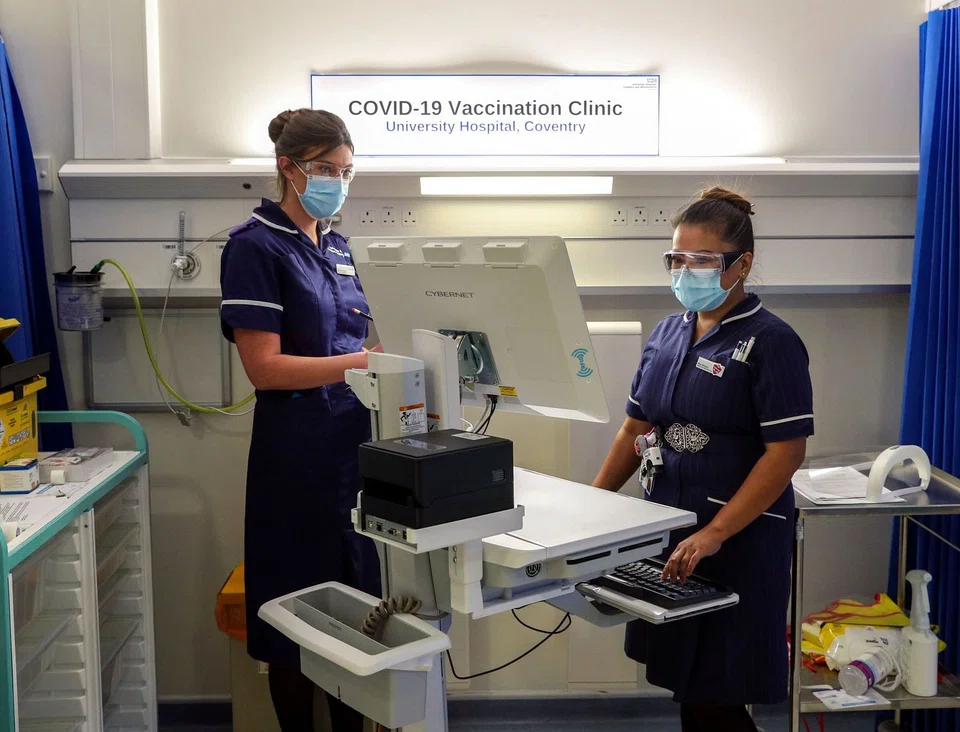
POST-Covid-19 recovery will be "more U-shaped than V for most of Asean", with real GDP returning to pre-pandemic levels only in early 2022, says a Maybank Kim Eng (Maybank) report.
The report forecasted Asean-6's real GDP growth recovering to +5.3 per cent in 2021 and +5 per cent in 2022, after having contracted by -3.8 per cent in 2020. But the report also noted that each country's recovery trajectory will depend on how quickly vaccines are deployed, herd immunity is achieved, and lockdowns and border controls significantly loosened.
Maybank deems Singapore, Malaysia and Thailand likely to be the first Asean countries to achieve herd immunity in Q4 2021, shortly after the US is projected to achieve it the quarter before. The rest of Asean may follow in 2022, said the report.
Asean's longer road to herd immunity, relative to the US, is partly attributed to the low sero-prevalence rates (share of population with Covid-19 antibodies) across the region. Covid-19 cases make up less than 1 per cent of Asean's population, in contrast to the US's 4.2 per cent.
Singapore's Minister for Health Gan Kim Yong had said in September that only 0.03 per cent of individuals with acute respiratory infection had tested positive for Covid-19 between July and mid-August.
Asean's low sero-prevalence has led Maybank to conclude that a high vaccine coverage ratio of at least 65 per cent to 70 per cent is required for herd immunity. But going by estimates in the report, recent Asean vaccine purchases are sufficient only for 20 per cent to 45 per cent of the population.
In contrast, a recent McKinsey study estimates that sero-prevalence in the US may be as high as 25 per cent, though with wide variations between states. It is therefore possible that the US may need only vaccine coverage rates of 45 to 65 per cent to achieve herd immunity, assuming the vaccines are distributed to both adults and children.
Vaccine distribution is seen as crucial to restoring mobility, which the report noted to be highly correlated to GDP growth. As at end-November, said the report, mobility had returned to pre-pandemic levels only in Thailand and Vietnam, where domestic cases were controlled earlier on.
Indonesia and Malaysia have recorded fresh outbreaks, which have led to mobility being cut back; Singapore's mobility has not fully recovered since circuit-breaker measures were implemented in Q2. Meanwhile, the Philippines is reported to have imposed one of the strictest and longest lockdowns, but has yet to flatten the curve; it is facing the slowest recovery in mobility.
Besides speed bumps in vaccine rollout and herd-immunity attainment, the report identified other downside risks to growth, namely: deteriorating US-China trade relations, stagnant and low structural GDP growth persisting post-pandemic; and the premature withdrawal and tapering of fiscal support.
Finally, the report flagged structural shifts that Covid-19 might induce in the region, including higher taxes and government spending on broader social safety nets in the fallout of the pandemic.
Decoding Asia newsletter: your guide to navigating Asia in a new global order. Sign up here to get Decoding Asia newsletter. Delivered to your inbox. Free.
Copyright SPH Media. All rights reserved.
TRENDING NOW

Grab CEO’s wife Chloe Tong on life with Anthony Tan and finding her purpose
Jacqueline Loh to step down as MAS deputy MD in senior leadership reshuffle

Why 1 in 2 young Singaporeans who said ‘no kids’ now say ‘yes please’: new study
Private home prices accelerate with 1.4% rise while HDB resale values dip further in Q3: flash data

