Middle East-linked energy supply shocks put Asean Power Grid back in focus
Geopolitical tensions, subsea cable networks are reshaping region’s energy security, integration
 Add BT as a preferred source
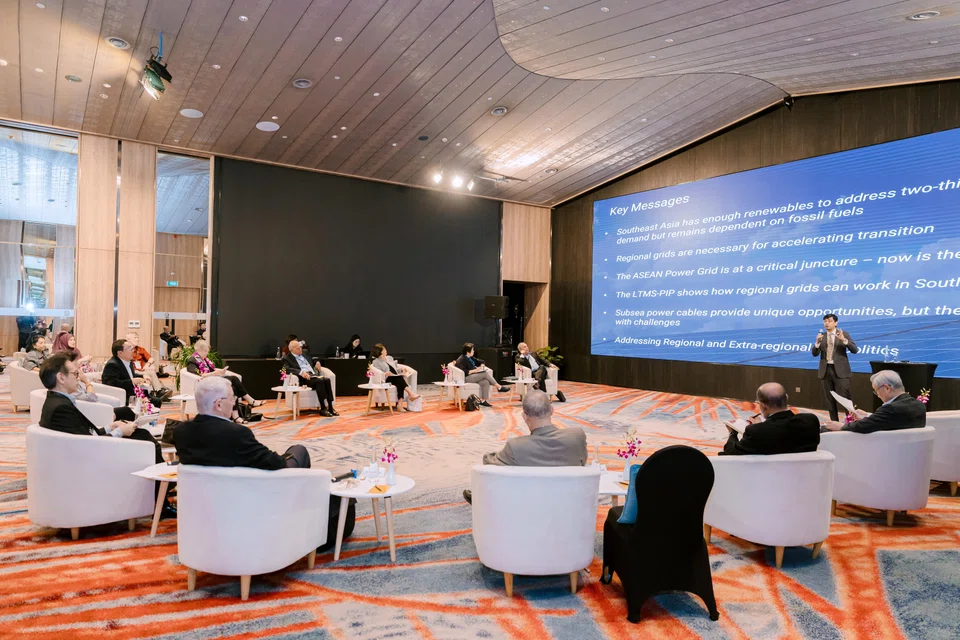
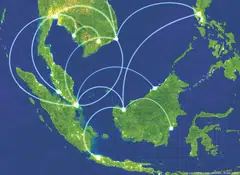
[HANOI] South-east Asia’s long-mooted Asean Power Grid (APG) is regaining urgency as a long-term energy security buffer against global supply shocks, as disruptions linked to the Middle East crisis highlight the region’s exposure.
Cross-border subsea power cable connectivity is also emerging as a potential game changer that could reshape regional energy integration.
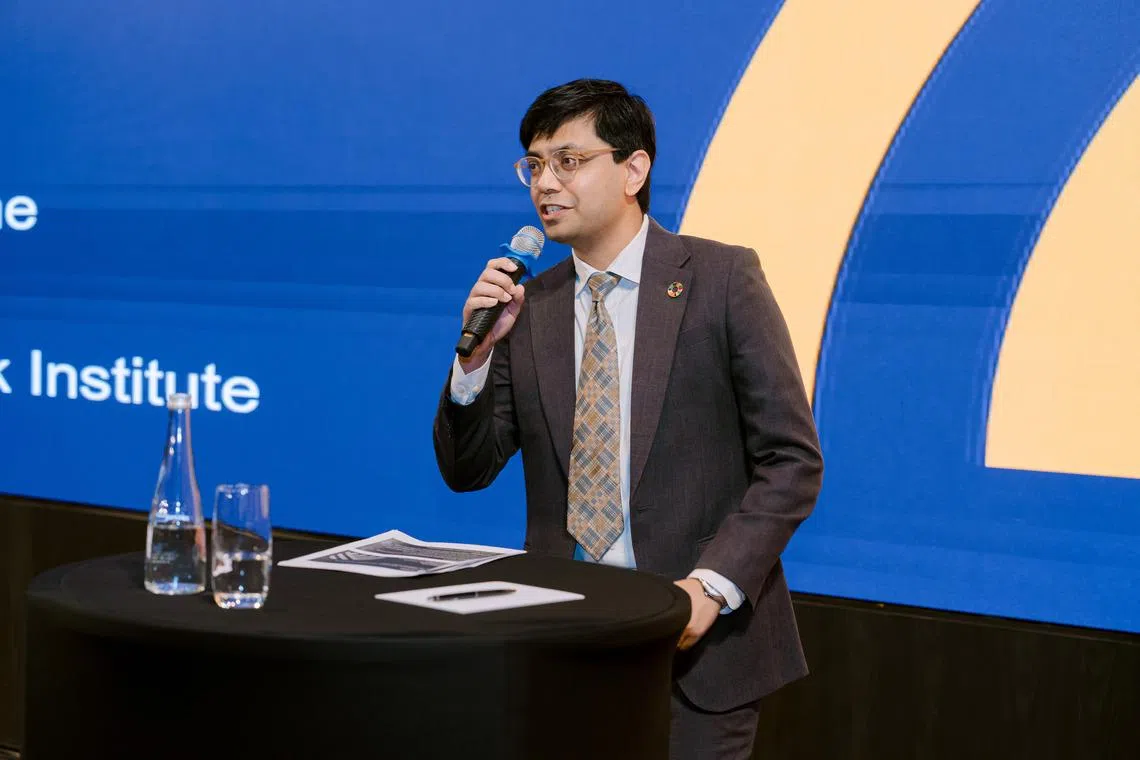
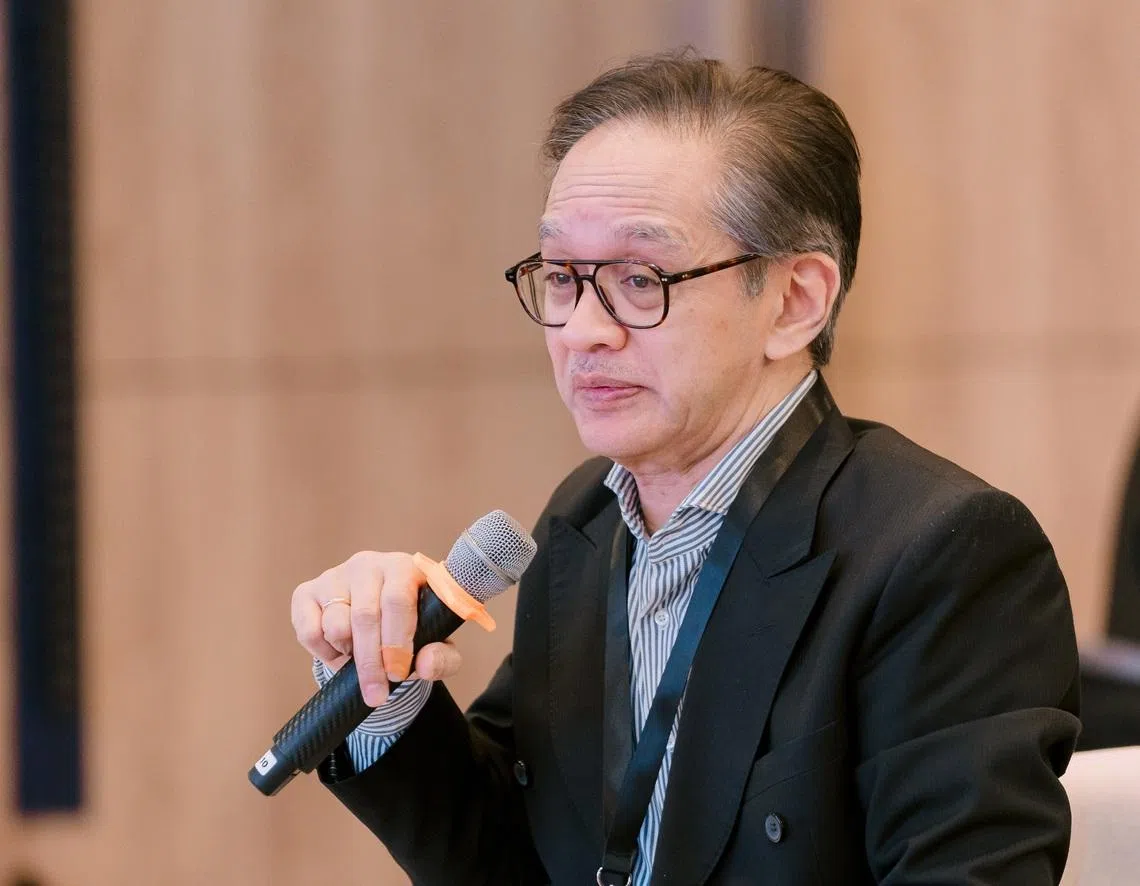
In a discussion with Amity Circle in Hanoi on Friday (Apr 10), Dr Mirza Huda, senior research fellow at ODI Global in Singapore, said the case for deeper cross-border electricity integration through a regional power grid has now extended beyond economics and climate goals.
“We don’t want to be held hostage to things that happen far away, from where we import our fossil fuels,” he said, referring to the spillover effects of geopolitical instability in the major oil-producing region of the Middle East. “We can instead depend on our neighbours to make us energy secure.”
A key question raised by Amity Circle members – comprising former ministers, senior officials and diplomats from Asia-Pacific countries – was whether escalating global conflicts, while exposing South-east Asia’s vulnerability to fossil fuel dependence, could slow the energy transition and cross-border energy cooperation by prioritising national energy interests.
Dr Mirza said the immediate impact of global disruptions is typically defensive, but argued that the longer-term effect points in the opposite direction.
“In the longer term and the medium term, I believe it could push South-east Asian countries towards renewable energy and also to depend more on its neighbours for backup,” he added. “The APG is absolutely necessary to facilitate investment, enhance grid stability and address intermittency”.
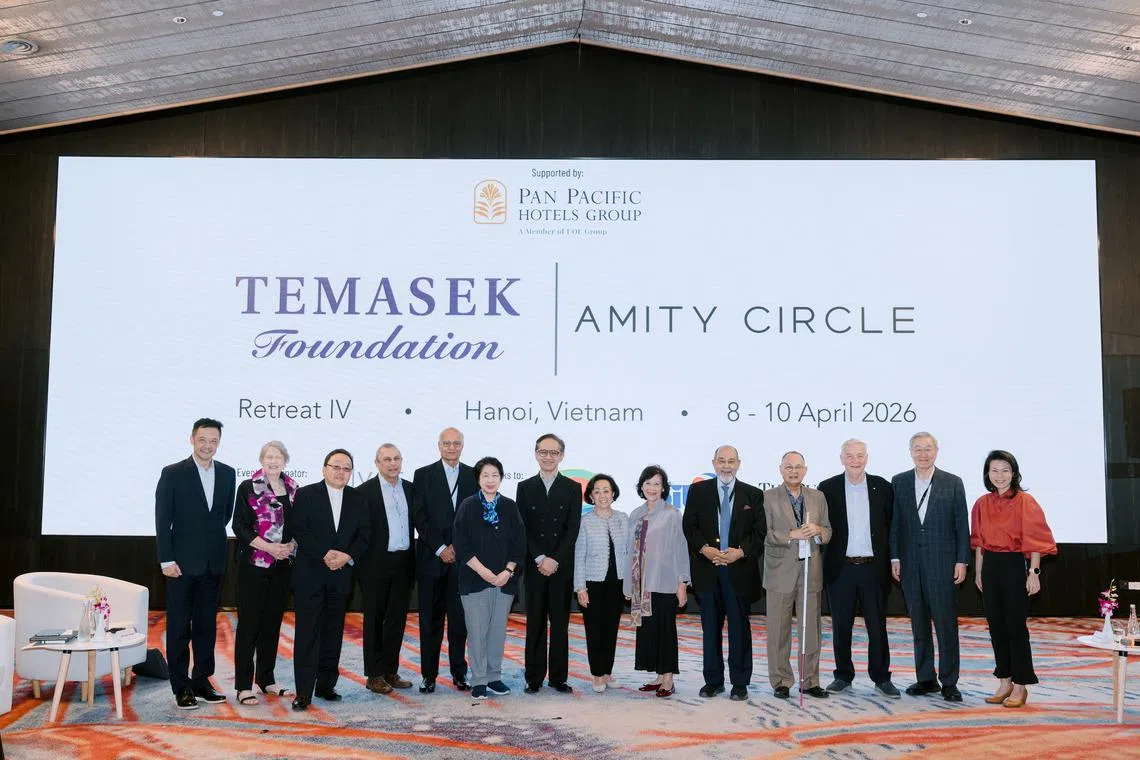
The discussion took place during the fourth Amity Circle retreat, hosted by Temasek Foundation from Apr 8 to 10 at Pan Pacific Hanoi, with The Business Times Global as the official outreach partner.
Co-founded by former Indonesian foreign minister Dr Marty Natalegawa, the gathering this year convened senior figures from Australia, Indonesia, Malaysia, New Zealand, the Philippines, South Korea, Singapore and Thailand.
Joining them for the first time were former Mongolian president Elbegdorj Tsakhia and India’s former national security adviser, Shivshankar Menon.
The Hanoi retreat came after previous editions held in Singapore, Bali, and Kuala Lumpur. It reflects a rotating format across key regional capitals aimed at deepening regional engagements.
In keeping with the Amity Circle’s belief in the efficacy of diplomacy and dialogue, Dr Natalegawa said the discussion’s aim was not merely to revisit the APG’s technical and financial challenges, nor to emphasise the benefits of regional energy security.
“(It would) rather try to chart a pathway for high level political buy-in to the initiative. To build political momentum. To turn vision to reality,” he added.
Subsea power cables: the new era of APG
Dr Mirza described the transition from overland interconnections to subsea power cables as a “game changer” for South-east Asia’s energy integration. Subsea links, he said, expand the number of potential market participants by allowing electricity trade beyond immediate neighbours, while also enhancing system resilience.
Another key advantage is that subsea cables are being envisioned not as extensions of old fossil fuel infrastructure, but instead are tied to green industrialisation – the development of solar panels, storage capacity and green jobs.
Political momentum is also building on this front. The joint statement of the 43rd Asean Ministers on Energy Meeting held in Kuala Lumpur in 2025 identified subsea cables as a “key building block” of the APG, with a regional framework under development to align legal, technical, commercial and governance standards.
The Brunei Darussalam-Indonesia-Malaysia-Philippines Power Integration Project is set to be the region’s first initiative to combine both overland and subsea interconnections.
Bilateral and trilateral projects are also being explored, including links between Singapore and Malaysia, Cambodia and Singapore, as well as Vietnam, Malaysia and Singapore, among others.
Addressing financial bottlenecks
Global think tanks have highlighted the vast potential for renewable energy in South-east Asia.
The International Renewable Energy Agency estimated the region could meet more than two-thirds of its energy demand through renewables by 2050, while Ember said the APG could unlock 30 gigawatts of solar and wind capacity, and create more than 180,000 jobs.
“We can only exploit all these resources if we implement economies of scale, which will make the cost of decarbonisation much lower,” said Dr Mirza. He added that regional integration through the APG could potentially reduce decarbonisation costs by as much as US$800 billion by mid-century.
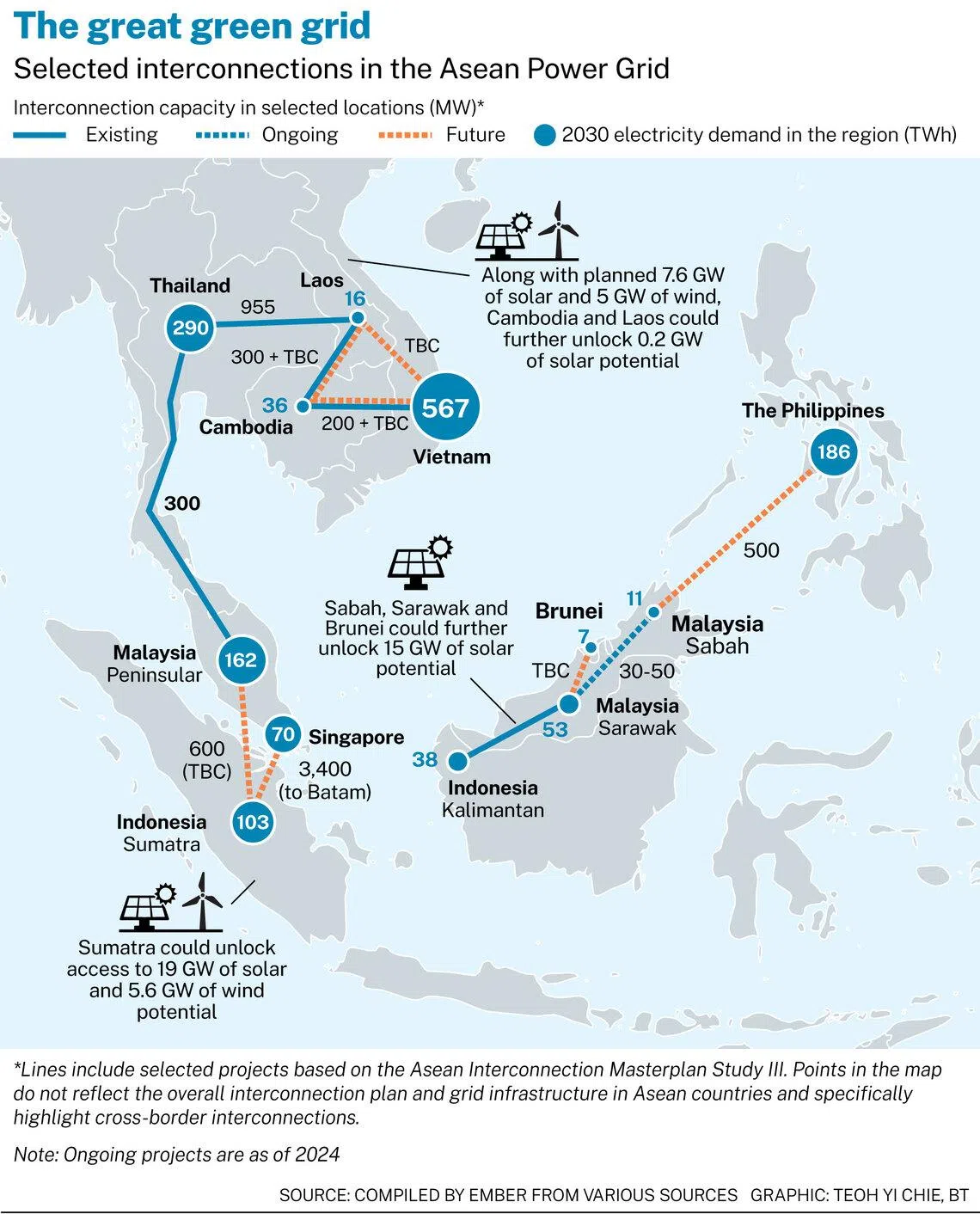
However, funding could pose a challenge. The Asean Interconnection Masterplan Study III estimated that about US$764 billion would be needed to build transmission and generation capacity under a high-renewables scenario.
One of the most discussed issues among Amity Circle participants during the session was the financial viability of the APG, particularly amid the slowdown of international finance flows driven by geopolitical uncertainty and a high-interest-rate environment.
Dr Mirza pointed out that regional projects offer some indication of viable financing pathways.
The 600 megawatt (MW) Monsoon Wind Power Project linking Laos and Vietnam – which went live last August – was backed by the Asian Development Bank (ADB) as the lead arranger and de-risking anchor.
Meanwhile, the Laos-Thailand-Malaysia-Singapore Power Integration Project (LTMS-PIP) underscores the central role of participating governments in enabling cross-border power trade, with governments providing policy alignment, regulatory coordination and institutional assurances through state utilities that help reduce risks for investors.
At the institutional level, efforts to mobilise capital are also gaining traction. In October last year, ADB, the World Bank and Asean launched the Asean Power Grid Financing Initiative to support large-scale funding for cross-border interconnections, both on land and subsea.
Dr Mirza said greater involvement from financial institutions and commercial players in the working groups will be critical, including in assessing project bankability, facilitating negotiations and supporting implementation standards.
He also called for the development of a regional renewable energy certificates market to attract international investment, noting that current global standards do not recognise cross-border renewable electricity traded within South-east Asia.
Energy security in fragmenting world
Regional and extra-regional challenges remain for the advancement of the APG. These include disputes over wheeling charges, regulatory and supply chain gaps for subsea cables, a limited pool of partners in the energy transition, and a lack of continuity in energy trade policies.
“There is a fear that... projects that can take anywhere from five to eight years will get shelved if there are some political changes,” Dr Mirza noted.
For instance, a March BMI report highlighted this risk, noting that political instability in Thailand delayed the LTMS-PIP Phase 2 scale-up (from 100 MW to 200 MW) by six months. Such delays underscore how domestic volatility directly disrupts regional energy security and trade.
Dr Mirza believes the APG could reshape regional political dynamics. “There is a strong case for viewing energy as a peace-building mechanism,” he said, adding that grids can increase interdependence, and “that raises the cost of conflict”.
Decoding Asia newsletter: your guide to navigating Asia in a new global order. Sign up here to get Decoding Asia newsletter. Delivered to your inbox. Free.
Copyright SPH Media. All rights reserved.