



Moody’s flags rising risks in Indonesia on policy uncertainty
MOODY’S Ratings remains concerned about policy uncertainty and fiscal sustainability risks in Indonesia, reinforcing its cautious outlook and warning that downside risks are likely to persist.
While there have been some positive developments, the balance of risks has turned “a little bit more negative” since the ratings agency downgraded Indonesia’s outlook to negative in February, said Martin Petch, a vice-president within the sovereign risk division.
“We’ve had pressures emerge, particularly following the Iran war, we’ve seen subsidies increase significantly and that’s put some pressure on the fiscal outcome for this year and next year.”
The view mirrors persistent investor concern over President Prabowo Subianto’s economic agenda.
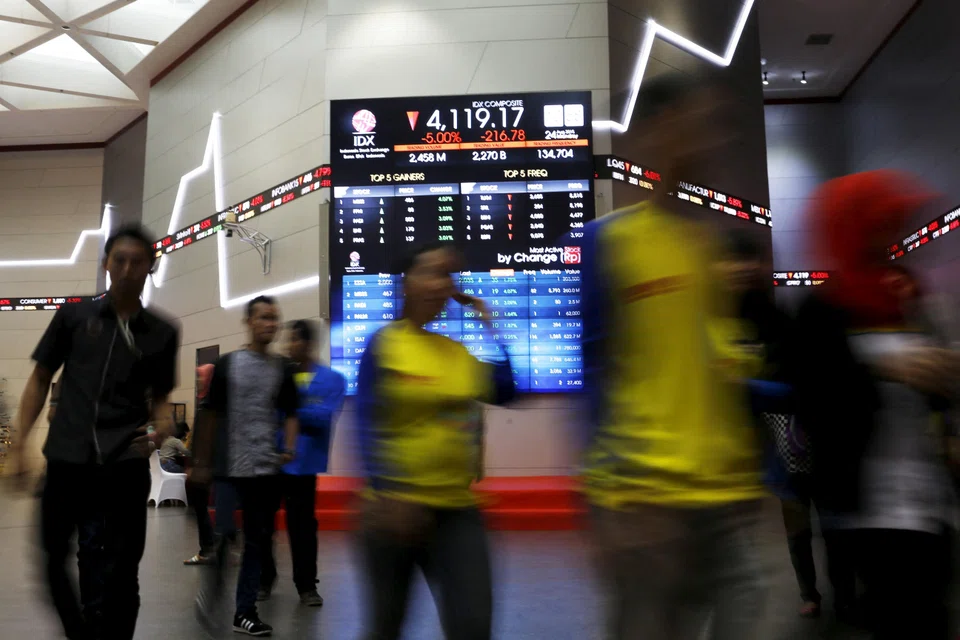
Worries over fiscal discipline, central bank independence and the government’s expanding role in key sectors have weighed on Indonesian assets this year, fuelling a selloff that’s left the nation’s bonds, currency and stocks among the region’s worst performers.
One area of particular risk is PT Danantara Sumberdaya Indonesia, a new agency created in May to oversee raw-material exports. According to Petch, a lack of clarity around its mandate has added to investor angst over rising state intervention.
Moody’s also sees Indonesia’s narrow revenue base as a growing constraint, leaving the government with little room to finance ambitious programmes like the free lunch program.
“At this point, we haven’t really seen a great deal of movement on broadening the revenue base,” he said.
There have been some positives. Indonesia has scaled back its lunch programme budget amid rising energy subsidy costs to keep the deficit within legal limits. Officials are also reviewing the budget to identify additional ways to save.


Others aren’t so worried. Just last week, S&P Global Ratings affirmed Indonesia’s investment-grade rating and stable outlook even after Moody’s and Fitch Ratings lowered their assessments, signaling confidence that the country’s credit strengths remain intact.
The next six to 12 months may prove pivotal. Moody’s is closely watching foreign-exchange reserve adequacy, policy credibility, the health of its state-owned enterprises and governance around Danantara. Petch said that ultimately, it’s about whether policy is moving in the right direction.
A significant expansion of fiscal spending without accompanying revenue reforms, he added, would be a particularly worrying signal for Indonesia’s credit profile. BLOOMBERG
Decoding Asia newsletter: your guide to navigating Asia in a new global order. Sign up here to get Decoding Asia newsletter. Delivered to your inbox. Free.
Share with us your feedback on BT's products and services
TRENDING NOW

Malaysian king buys stake in Singapore-listed mining firm expanding into rare earths

Grab CEO’s wife Chloe Tong on life with Anthony Tan and finding her purpose

Once staunchly pro-China, Malaysian Chinese businesses are now distancing themselves from Beijing

Longer wait times expected as S’pore healthcare institutions report system disruptions

