



Myanmar military's solar push unlikely to attract foreign investments: Fitch
 Add BT as a preferred source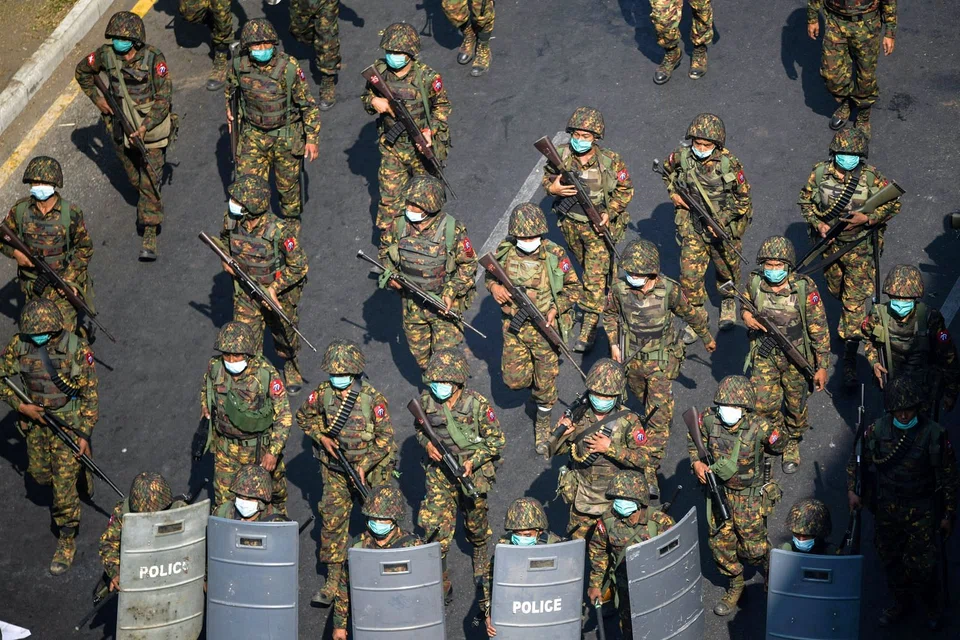
DeeperDive is a beta AI feature. Refer to full articles for the facts.
DESPITE attempts from Myanmar's military to rejuvenate foreign direct investments (FDI), a report from Fitch Solutions said these will likely hit roadblocks due to sanctions on military-linked businesses and political instability.
On May 24, Myanmar's Ministry of Electricity and Energy issued a tender to build solar power facilities across 12 sites in central Myanmar, potentially generating between 20 megawatt (MW) and 40 MW each. Tender documents seen by Nikkei Asia said successful bidders would build, operate and own the facilities for 20 years.
But the report said this and other future tenders are unlikely to receive much interest from investors.
Western and West-aligned investors from the US, Europe and Japan will face much pushback from prevailing sanctions, anti-junta pressure from democratic governments and heightened operational risks.
Even Chinese companies - which have dominated Myanmar's energy tenders and are major players in the country - may face discouragement from state-owned enterprises from participating in these bids due to the ongoing political crisis, according to Nikkei Asia.
Fitch Solutions is maintaining its forecast for Myanmar's real GDP growth to contract by 20 per cent in the 2020/21 financial year (FY) spanning October to September.
Navigate Asia in
a new global order
Get the insights delivered to your inbox.
The sanctions imposed on Myanmar's military-affiliated businesses will continue to cripple recovery efforts even in the long run, according to the report. In FY2020/21, FDI into the country stood at only US$1.2 billion. That is a mere 22 per cent of FDI reported in FY2019/20.
Therefore, the report expects to see military-owned businesses growing their domestic share of the market as non-military linked entities face rising political risks, unenthusiastic FDI prospects and other operational challenges such as labour shortages and a lack of foreign currency.
Fitch said that despite boycotts from anti-coup supporters and the civil disobedience movement, the advantages that military-linked businesses will enjoy - political protection and prioritised foreign exchange use - combined with an impending food and essential goods shortage in the country will push the needy to consume "any variety they are able to access".
Decoding Asia newsletter: your guide to navigating Asia in a new global order. Sign up here to get Decoding Asia newsletter. Delivered to your inbox. Free.
Copyright SPH Media. All rights reserved.
TRENDING NOW

From 1MDB to ‘corporate mafia’: Is Malaysia facing a new governance test?

Higher costs, lower returns: Why are Singaporeans still betting on real estate?
South-east Asian markets account for 8.8% of global capital inflows from 2021 to 2024: report

Richard Eu on how core values, customers keep Singapore’s TCM chain Eu Yan Sang relevant

