



Navigating digital and green economy the way forward for Asean
Singapore in particular is making moves to ensure the city-state is best positioned to seize opportunities that emerge from these 2 sectors
 Add BT as a preferred source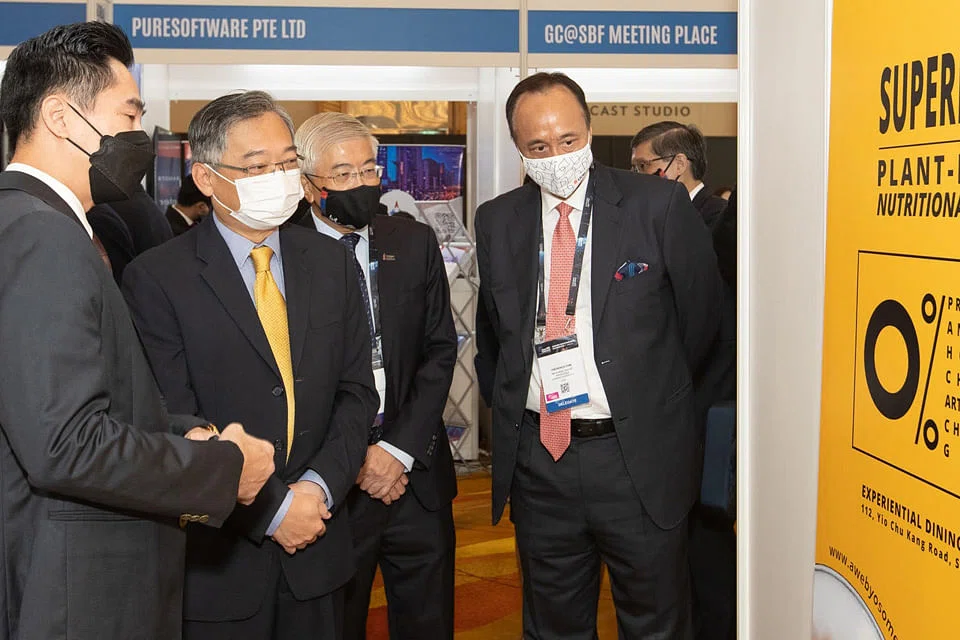

DeeperDive is a beta AI feature. Refer to full articles for the facts.
ASEAN'S digital future and sustainability, or more specifically, how the region can forge a sustainable path ahead were top of mind among attendees of the Asean Conference last week.
Singapore in particular is making moves to ensure the city-state is best positioned to seize opportunities that emerge from these 2 sectors which Minister for Trade and Industry Gan Kim Yong, who was the guest of honour at the event, identified as emerging trends.
The city-state has been making moves in the digital economy space, having signed digital economy agreements (DEAs) with different countries, including Chile and New Zealand; Australia; Korea, and the United Kingdom.
"The digital economy is very new; it is emerging and many of us are not really clear of what it encompasses and what it should encompass," said Gan. "(But) the earlier that we embark on it the better for us."
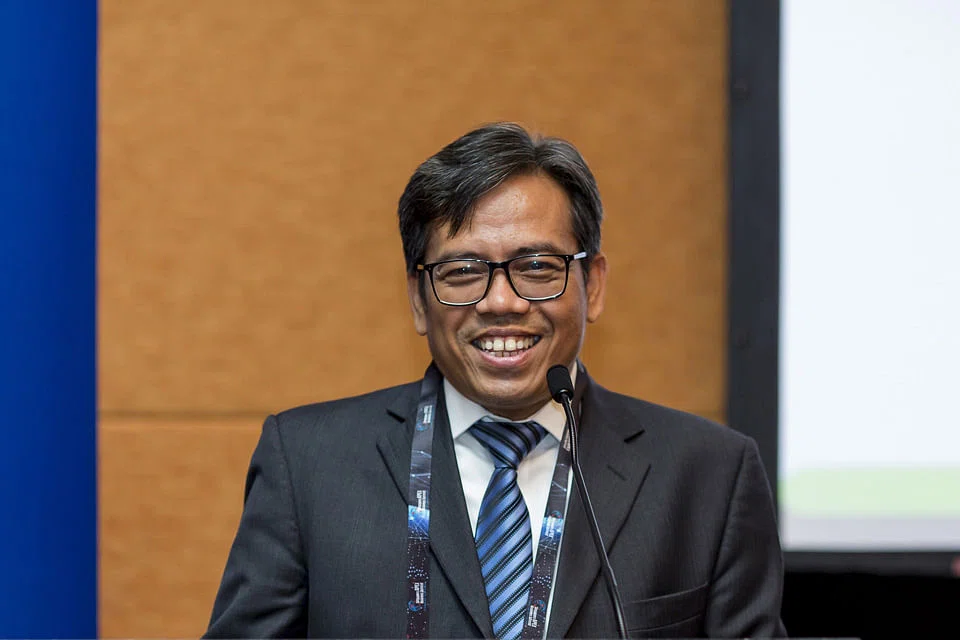
Gan was speaking at a session moderated by Lam Yi Young, chief executive officer of the Singapore Business Federation (SBF), on the second day of the Singapore Apex Business Summit. The event was organised by SBF and MP Singapore, a global full-service events management company.
"We can't do this alone because we need the world to be digitalised, so that we can have digital transactions with other parties," he said.
Navigate Asia in
a new global order
Get the insights delivered to your inbox.
"Therefore, it's in Singapore's interest to develop digital agreements with our major trading partners. These agreements will lay down rules on digitalisation, interoperability, as well as rules governing cross border data transfers, data security (and) cyber security."
Frederick Chin, UOB's head of group wholesale banking and markets, too highlighted innovation and tech adoption as an important trend for businesses to prepare for in his opening remarks.
"Businesses have to anticipate future consumer trends and how best to engage customers across various segments and channels," he said.
Forging ahead
Both the digital economy and green economy agreement (GEA) - such as the one Singapore and Australia are working on - are pathfinder agreements and are structured to encourage collaboration, joint projects, and exploring of opportunities, said Gan.
The GEA between Singapore and Australia is a world-first that will combine trade, economic and environmental objectives.
The broader aspiration for the GEA is to serve as a pathfinder that contributes to multilateral and regional policy development by establishing policies, standards and initiatives that will not only create good jobs in green growth sectors, but also strengthen environmental governance and global capacity to address environmental issues, in particular climate change, said Australia and Singapore in their joint vision statement.
Gan noted that Singapore will, over time, need to purchase carbon credits due to limited resources.
"The green agreement will allow us to do that and will allow us to also explore green projects. For example, we could potentially invest in reforestation projects in some other countries," he said.
Another important area of focus is supply chains which have been dealt multiple blows since the start of the Covid-19 pandemic.
UOB's Chin stressed the importance of connectivity despite a shift towards protectionism seen in the past few years and recent geopolitical developments which could lead to a more divided world, further compromising globalisation.
"Asean is a beneficiary of globalisation (and) for Asean to prosper, we must continue to connect within our region and the rest of the world," he said.
"Since 2016, we have witnessed a robust flow of trade and investments into our region as companies look for alternative supply chains against the backdrop of the US-China trade tensions."
Covid and geopolitical tensions have caused further disruption and there is now a more diversified trade system with multiple suppliers, he said.
"This is where the Asean region plays to our strengths. Asean is well-positioned given its well-established industrial clusters and a large captive market."
Gan meanwhile addressed the importance of free trade agreements (FTAs) as a way to build up resiliency.
Earlier this year, Singapore signed a FTA with the Pacific Alliance, a bloc made up of Chile, Colombia, Mexico and Peru.
While these countries may seem far away, Singapore does "import significantly" from them, said Gan.
"We are exploring opportunities to import more of this foodstuff from the Pacific Alliance countries to strengthen our food supply resilience to ensure that we have diversified sources or many of these critical food supplies," he said.
Separately, UOB also organised a business roundtable at the sidelines of the Asean Conference.
Nurul Ichwan, Deputy Chairman for Investment Planning at Indonesia Investment Coordinating Board (BKPM), Ministry of Investment of the Republic of Indonesia, hosted the roundtable meeting with representatives from 14 Chinese companies that are looking at investing in Indonesia.
UOB is the first regional bank that signed a memorandum of understanding with BKPM to facilitate both FDI into Indonesia and the expansion of Indonesian corporates into the region.
UOB's Foreign Direct Investment Advisory Unit was established in 2011. There are 10 FDI Centres across Asia.

Decoding Asia newsletter: your guide to navigating Asia in a new global order. Sign up here to get Decoding Asia newsletter. Delivered to your inbox. Free.
Copyright SPH Media. All rights reserved.
TRENDING NOW

Ministry of Home Affairs Permanent Secretary Pang Kin Keong to retire

Shelving S$5 billion office redevelopment plan proved ‘wise’ as geopolitical risks mount: OCBC chairman

Richard Eu on how core values, customers keep Singapore’s TCM chain Eu Yan Sang relevant

China pips the US if Asean is forced to choose, but analysts warn against reading it like a sports result

