



No cheap pump across the Causeway as Malaysia rolls out Budi95 fuel subsidy
PM Anwar Ibrahim’s earlier pledge of universal access to cheap RON95 has been narrowed; Malaysians driving foreign-registered cars will continue paying more

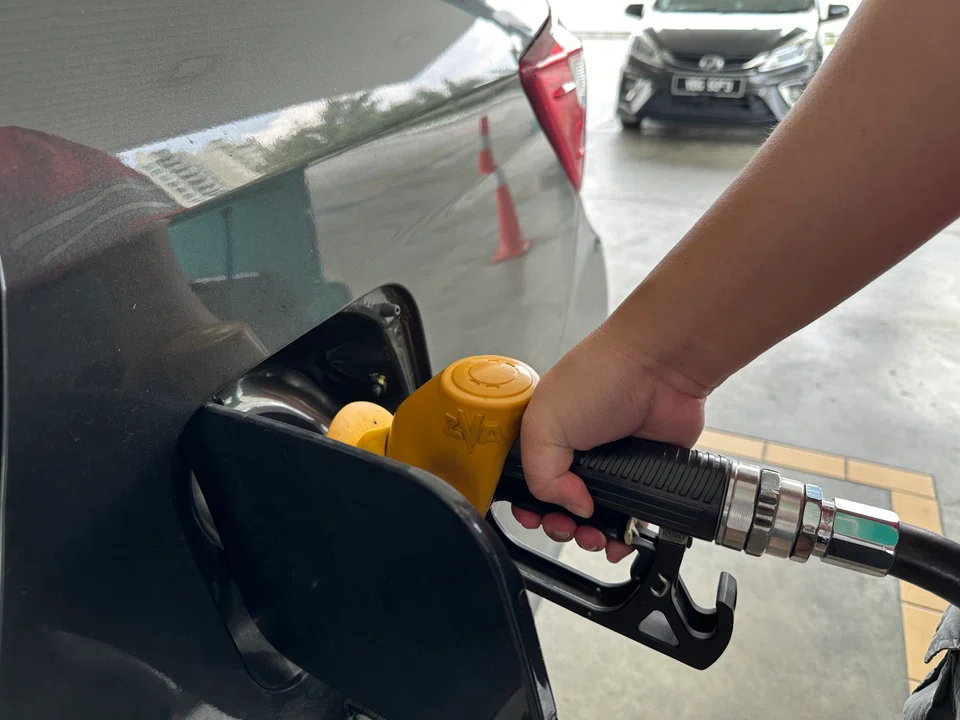
[KUALA LUMPUR] Malaysians driving Singapore-registered cars will not be able to enjoy Malaysia’s new Budi95 fuel subsidy, which kicks in on Sep 30.
The scheme fixes RON95 petrol at RM1.99 (S$0.61) a litre, but only for Malaysians with locally registered vehicles. Those behind the wheel of Singapore- or Thai-registered cars must still buy RON97, which now retails at RM3.21 a litre. Foreigners are also excluded.
The move aims to close a loophole that could have drained billions of ringgit in subsidies across the border.
Minister of Finance II Amir Hamzah Azizan on Tuesday (Sep 23) clarified that the longstanding restriction remains in place: subsidised fuel is strictly for citizens with locally registered vehicles. Non-citizens with Malaysian-registered vehicles can purchase RON95, but only at the unsubsidised rate of RM2.60 a litre.
Prime Minister Anwar Ibrahim had announced on Monday a universal entitlement for Malaysians to purchase subsidised RON95, but the latest clarifications mean many cross-border motorists will continue paying more at the pump.
Quota and implementation
The new petrol subsidy sets a monthly cap of 300 litres a person, with exemptions for e-hailing drivers, subject to approval. Purchases beyond the quota will be charged at the prevailing market price.
Amir Hamzah said that the allocation is sufficient for 99 per cent of Malaysians, citing data from the Department of Statistics Malaysia. The measure is expected to generate RM2.5 billion to RM4 billion in annual savings that can be redirected to other public programmes.
Petrol stations nationwide are installing MyKad readers to verify eligibility at pumps. Khairul Annuar Abdul Aziz, president of the Petrol Dealers Association, said that about 4,200 stations process three million to four million transactions daily. (MyKad is the multipurpose identification card which Malaysian citizens aged 12 and up are required to have.)
He warned that demand could double on launch day as anxious consumers rush to refuel. “We are worried that if everybody rushes, it can go to eight million a day and this will stress the system,” he said in a radio interview on Thursday. Dry runs at selected stations showed the system functioning well, and dealers have prepared manual overrides in case of glitches, he added.
The price cut from RM2.05 to RM1.99 translates into modest monthly savings of about RM18 for a typical driver. But the risk of exclusion looms larger for those unable to authenticate their MyKad at pumps; these motorists would be charged RM2.60 a litre instead.
Many Malaysians have checked their eligibility through the official Budi95 portal, with some surprised to learn they had been disqualified for lacking active driving licences.
Long queues have also formed at National Registration Department offices, as motorists seek to replace damaged MyKad chips.
Following the introduction of the Merdeka cash aid scheme (also known as the Sara scheme), which provided RM100 to every adult Malaysian, the National Registration Department has handled a surge in applications for MyKad replacements.
Home Minister Saifuddin Nasution Ismail previously noted that the monthly number of applications to replace MyKad rose from an average of 30,000 to about 40,000 in September.
Fiscal implications
Analysts view the new petrol subsidy as the first step in broader subsidy reforms. Economists expect the government to eventually exclude high-income households – the top 20 per cent – from the subsidy as early as next year.
CIMB Treasury and Markets Research estimates that the new tiered subsidy will cost RM8 billion to RM9 billion annually in 2025, with only limited fiscal relief from excluding foreign vehicles. That measure saves about RM1 billion to RM2 billion, which is negligible against the fiscal deficit target of 3.8 per cent of gross domestic product.
“Additional fiscal space will only be unlocked if the subsidy is phased out for high-income households in 2026,” CIMB said in a note on Tuesday.
RHB Research economists Barnabas Gan and Chin Yee Sian estimate annual savings of RM2.5 billion to RM4 billion under current oil price assumptions of US$75 per barrel. They expect adjustments in the future to tighten subsidies by income, household size, vehicle ownership and regional cost of living.
UOB Kay Hian analyst Philip Wong said that only 0.7 per cent of Malaysians exceed the 300-litre threshold, so most savings will come from excluding foreigners and non-eligible businesses, which now consume about 22 per cent of RON95.
Wong added: “The government’s decision to maintain broad access has dispelled market concerns about a sudden move towards targeted subsidy rationalisation.”
TRENDING NOW

Two Singapore-listed palm oil firms named in Greenpeace report on Indonesian plantation fires
Singapore Airlines flight returns to San Francisco after ‘unruly’ passenger incident
Singapore looking into which companies responsible for haze-causing fires: PM Wong
Deluge IPO 3.86 times subscribed ahead of SGX debut

