



One gateway to Thailand? Singapore startups tap Bangkok’s Rise to reach corporates
Rise positions itself as the intermediary between large corporations and startups
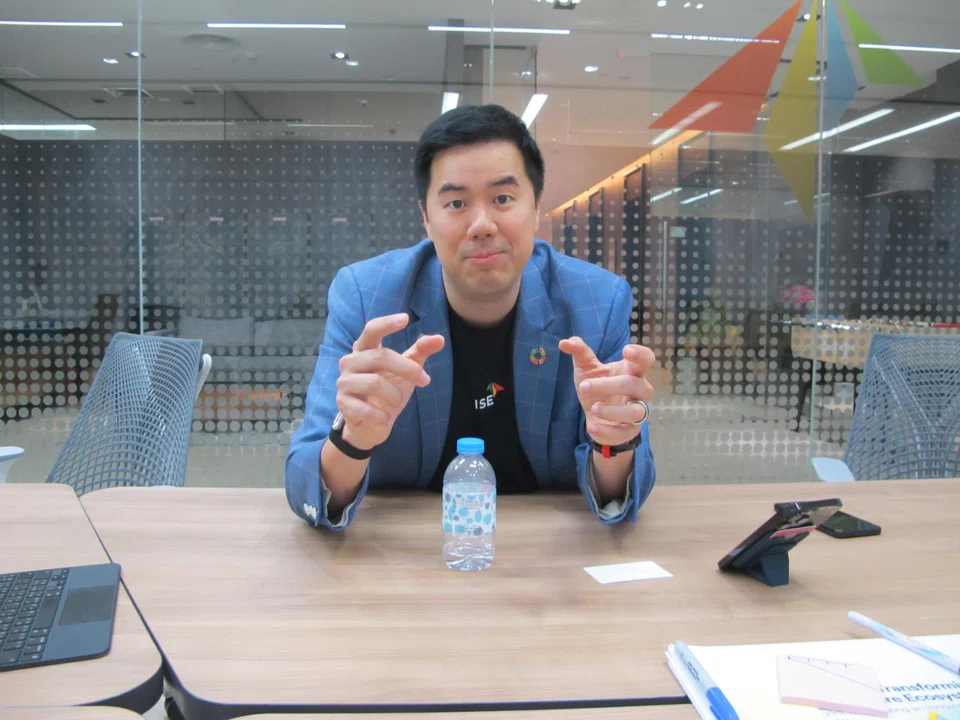
[BANGKOK] Bangkok-based Rise is becoming a key gateway for Singapore tech startups entering Thailand.
It is helping them connect with companies in the country seeking tech solutions, as well as pitch for opportunities and potential tie-ups.
In late April, delegations from the Singapore FinTech Association made a stop at Rise. This month, another delegation of Singapore startups – sponsored by Enterprise Singapore – will do the same.
“We have been selected as a Global Innovation Alliance (GIA) by the Singapore government for several years in a row,” said Supachai “Dr Kid” Parchariyanon, co-founder of Rise, whose childhood nickname “Kid” means “think” in Thai.
“Singapore startups that want to tap into the Thai market come to us,” he told The Business Times in an interview.
In response to queries, Enterprise Singapore confirmed that Rise is a partner for GIA Bangkok.
According to Parchariyanon, Rise is also working with governments across the region including Malaysia, Thailand and Hong Kong.
Founded in 2016, Rise positions itself as the intermediary between large corporations and startups – to match companies’ problems with startup solutions.
Around 500 corporations and 2,000 startups have completed its programmes.

Nearly half of its corporate members are from Thailand, including companies such as PTT – a state-owned petroleum conglomerate – and Thai Union – the world’s largest canned tuna exporter – as well as banks, insurance companies and hospitals.
The rise of “Dr Kid”
Parchariyanon, 43, launched his first startup at 19 while studying medicine at Mahidol University. Then, he was repeatedly slipping out of class to phone in stock trades, which annoyed his professors.
His fix was to team up with tech-savvy friends to build a mobile trading app, which he sold in 2005 to Settrade, part of the Stock Exchange of Thailand (SET) group. He said the platform became an early version of what later evolved into Settrade Streaming – which is now the country’s leading online investment platform.
There appears to be some regret over the timing. “I sold it to SET, but I did that when the application was on Nokia,” said Parchariyanon. “That was a huge mistake, because I sold it before the iPhone came out.”
Parchariyanon later earned his medical degree and worked briefly as a doctor, but remained drawn to tech. He went on to co-found Twitter’s first Thai distributor, and launch a digital advertising agency that he sold to Japan’s NTT Docomo in 2013.
After several exits, he wanted his next venture to go beyond short-term returns and have a broader impact on Thailand and South-east Asia.
Silicon Valley beckoned
Rise generates revenue through consultancy, membership fees and government-backed programmes. According to Parchariyanon, the firm has been profitable since inception.
One example is Finnomena, a Thai wealth management platform that he said grew assets under management from about US$20 million to US$1.5 billion after joining Rise. It is now planning an initial public offering.
In 2018, Rise expanded its model beyond Thailand, launching SeaX Ventures – a venture capital company set up to invest in early-stage startups in the US and Europe.
“The goal is to bring advanced technologies, like deep tech and artificial intelligence, back to South-east Asia to help corporates innovate,” said Parchariyanon.
SeaX has raised about US$70 million across two funds, focusing largely on AI and healthcare, with a third fund expected to include more local investments.
Rise also supports startups with regulatory approvals and customer access – a model Parchariyanon describes as a “time machine” for market entry.
California-based Qvin, for instance, secured multiple Thai Food and Drug Administration approvals for its menstrual testing kit with Rise’s support, even as it continues to navigate regulatory hurdles in the US.
“Legit companies with breakthroughs are typically two to five years old,” said James Currier, general partner at NFX, a Palo Alto-based venture capital firm investing in pre-seed and seed-stage startups.
Decoding Asia newsletter: your guide to navigating Asia in a new global order. Sign up here to get Decoding Asia newsletter. Delivered to your inbox. Free.
Share with us your feedback on BT's products and services
TRENDING NOW

ComfortDelGro appoints two new independent directors

Once staunchly pro-China, Malaysian Chinese businesses are now distancing themselves from Beijing

NoonTalk needs continued financial support from CEO Dasmond Koh, auditors warn

DP Architects sets the benchmark for sustainability disclosure and design

