



Philippine central bank hikes rate as war sends inflation past target
The latest move officially ends a lengthy easing cycle that began in August 2024
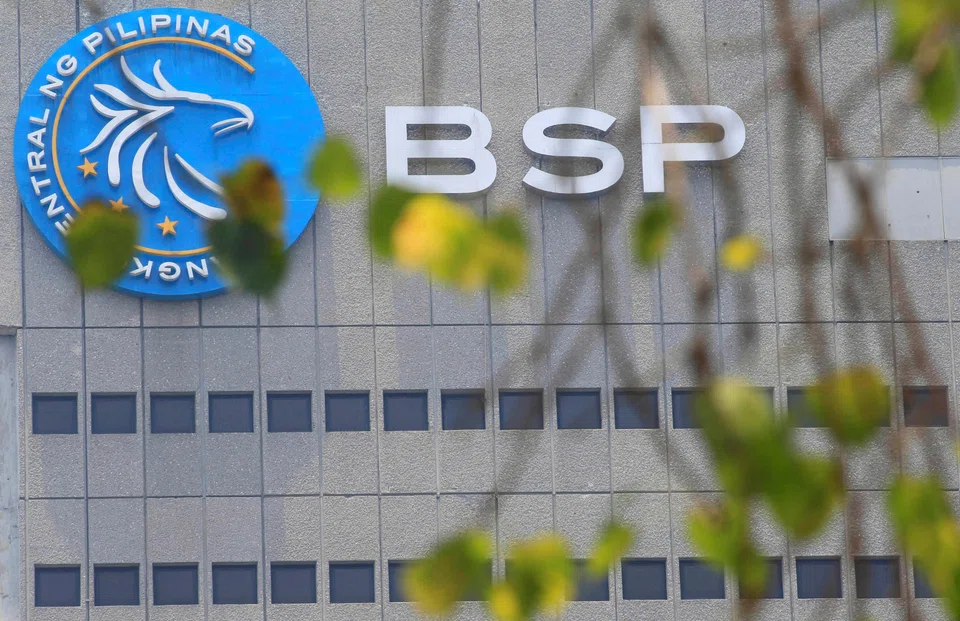
[MANILA] The Philippine central bank increased its benchmark interest rate for the first time in more than two years, warning of a deteriorating inflation outlook as the Iran war drives up energy prices.
The Bangko Sentral ng Pilipinas (BSP) raised its target reverse repurchase rate by a quarter of a point to 4.5 per cent on Thursday (Apr 23), as predicted by 15 of 30 economists in a Bloomberg News survey. The rest expected no change.
“The inflation outlook has deteriorated amid the ongoing conflict in the Middle East,” the BSP said in a statement. “Timely and preemptive policy action” was needed to safeguard price stability as higher global oil and fertiliser prices feed into domestic fuel and food costs.
The peso held losses after the decision, trading 0.5 per cent lower versus the US dollar at 60.40. The main stock index was steady.
The latest move officially ends a lengthy easing cycle that began in August 2024 and highlights how quickly risks have escalated for the Philippines, which imports nearly all of its oil requirements from the Middle East. Even with the hike, the central bank warned that average headline inflation is expected to breach the 2-to-4 per cent target for both 2026 and 2027.
The nation is now one of the early movers towards monetary tightening in Asia, along with Singapore. Indonesia held rates on Wednesday, and Thailand has signalled it will pause at its meeting next week.
SEE ALSO





“The policy rate increase is intended to anchor inflation expectations and contain the buildup of second-round effects,” the BSP said. “A measured increase in the policy rate will still accommodate economic recovery over the medium term.”
Inflation in the Philippines quickened in March to the fastest in nearly two years and breached the 2-to-4 per cent target as costlier oil triggered higher prices for transport, food, and utilities. BSP governor Eli Remolona said last week that second-round price pressures may be appearing earlier than expected.
The BSP has since shifted to a more hawkish tone. At an off-cycle meeting in March where the BSP kept the key rate steady, it had said that monetary policy has “limited effectiveness” against supply shocks. It also warned earlier this month that a “sharp and prolonged” oil price shock could trigger spillover effects and disanchor inflation expectations. BLOOMBERG
Decoding Asia newsletter: your guide to navigating Asia in a new global order. Sign up here to get Decoding Asia newsletter. Delivered to your inbox. Free.
Share with us your feedback on BT's products and services






