



Philippine inflation beats all estimates at 7.2% amid war impact
The South-east Asian economy imports more than 90% of its oil needs from the Middle East
 Add BT as a preferred source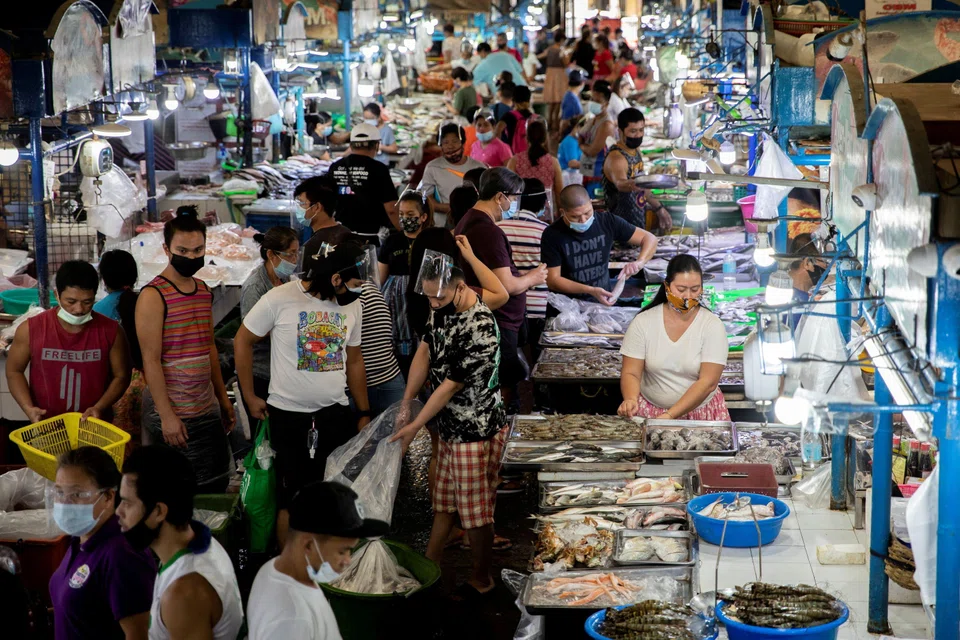
[MANILA] Philippine inflation accelerated to the fastest pace in three years, exceeding central bank and analyst projections, underlining the threat to the economy as the Middle East war drives up fuel prices.
Consumer prices rose 7.2 per cent in April from a year earlier, the Philippine Statistics Authority said on Tuesday (May 5). That far exceeded the median estimate of 5.5 per cent in a Bloomberg News survey and marks the highest level since March 2023.
The Philippine peso was down 0.3 per cent against the US dollar in early Tuesday trading.
Inflation was driven by a 21 per cent jump in transport prices, as well as an 8 per cent increase for housing, water, electricity, gas and other fuels. The cost of food and non-alcoholic beverages also jumped 6 per cent, primarily due to rice and fish.
The South-east Asian economy imports more than 90 per cent of its oil needs from the Middle East, where the US war on Iran has choked critical supplies and driven up the cost of crude and fertiliser. While the government has provided aid to some sectors, the Bangko Sentral ng Pilipinas warned April inflation would spike to a 5.6 to 6.4 per cent range.
The data underscore the challenges facing the central bank, which was forced to raise its benchmark interest rate in April for the first time in more than two years to temper price pressures. The monetary authority has said that a prolonged oil price shock could broaden risks and disanchor inflation expectations, pledging to remain vigilant and guided by incoming data.

Navigate Asia in
a new global order
Get the insights delivered to your inbox.
President Ferdinand Marcos Jr’s administration has provided fuel subsidies to public transport drivers as part of measures to address the fallout from the Iran war. The government plans to review its economic projections for 2026 due to the oil crunch.
“Amid the Middle East conflict disrupting fuel supply chains, the government is intensifying targeted interventions, particularly to temper upward price pressures on food, energy, and transport,” Economic Planning Secretary Arsenio Balisacan said in a statement after the inflation data.
“Our priority is to ensure stable fuel supply, manageable prices, and adequate protection for all sectors amid ongoing domestic and global challenges,” Balisacan said. BLOOMBERG
Decoding Asia newsletter: your guide to navigating Asia in a new global order. Sign up here to get Decoding Asia newsletter. Delivered to your inbox. Free.
Share with us your feedback on BT's products and services
TRENDING NOW

On the board but frozen out: The Taib family feud tearing Sarawak construction giant apart
OCBC to acquire HSBC Indonesia’s wealth, retail business, adding S$6.6 billion in AUM
Thai and Vietnamese farmers may stop planting rice because of the Iran war. Here’s why
The Singapore equities market is buzzing. Market players are hoping it can last

