


Philippines reaffirms easing may soon end as inflation on target
The BSP has reduced its key rate by 200 basis points in its current easing cycle
 Add BT as a preferred source
Philippine inflation accelerated to the highest in nearly a year, and returned within the central bank’s target as monetary authorities reaffirmed that the easing cycle may be drawing to a close.
Consumer prices rose 2 per cent in January from a year ago, the Philippine Statistics Authority said on Thursday (Feb 5). That was above the 1.8 per cent median estimate in a Bloomberg News survey and the print recorded in December.
Headline inflation was below the Bangko Sentral ng Pilipinas’ (BSP) 2 to 4 per cent goal for most of the past year.
The inflation outlook continues to be benign, while price expectations remain well anchored, the BSP said in a statement after the data release. However, demand should see a gradual rebound when the economy and public spending improve, it said.
“The Monetary Board sees the monetary policy easing cycle as nearing its end. Any further easing is likely to be limited and guided by incoming data,” the central bank said.
The latest inflation data will be among the factors that monetary officials will have to consider during their next rate-setting meeting on Feb 19. The BSP has reduced its key rate by 200 basis points in its current easing cycle.
Navigate Asia in
a new global order
Get the insights delivered to your inbox.
The government remains “vigilant against emerging upside risks” and will address the quickening of non-food inflation, the Department of Economy, Planning, and Development said.
Higher costs of housing, water and electricity contributed to January’s inflation uptick. Core inflation, which excludes some food and energy items, quickened to 2.8 per cent, the highest since December 2024.
BSP governor Eli Remolona said earlier this week that authorities stand ready to adjust the policy rate if it can help boost demand after worse-than-expected economic data in the fourth quarter.

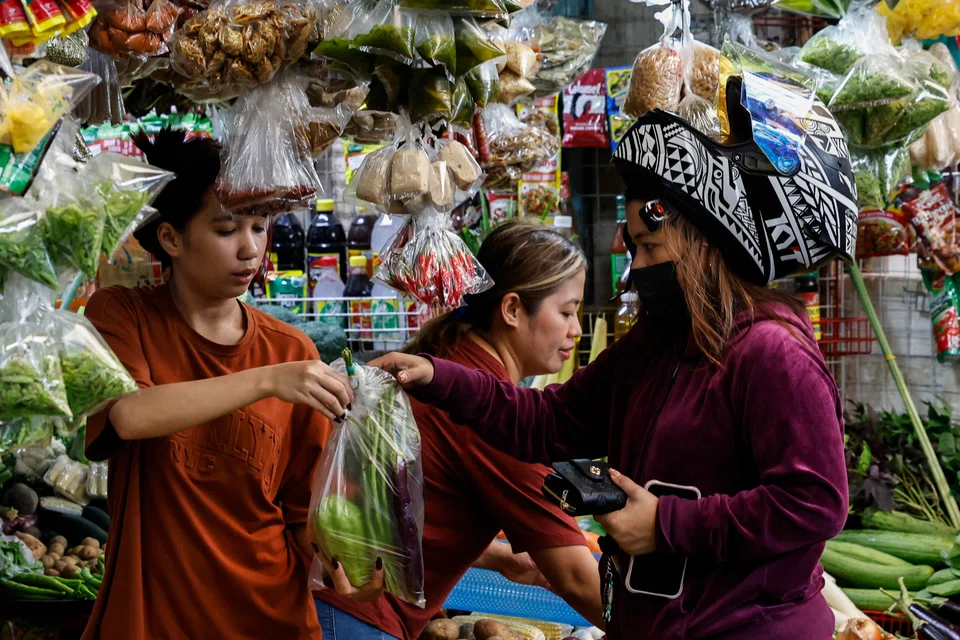
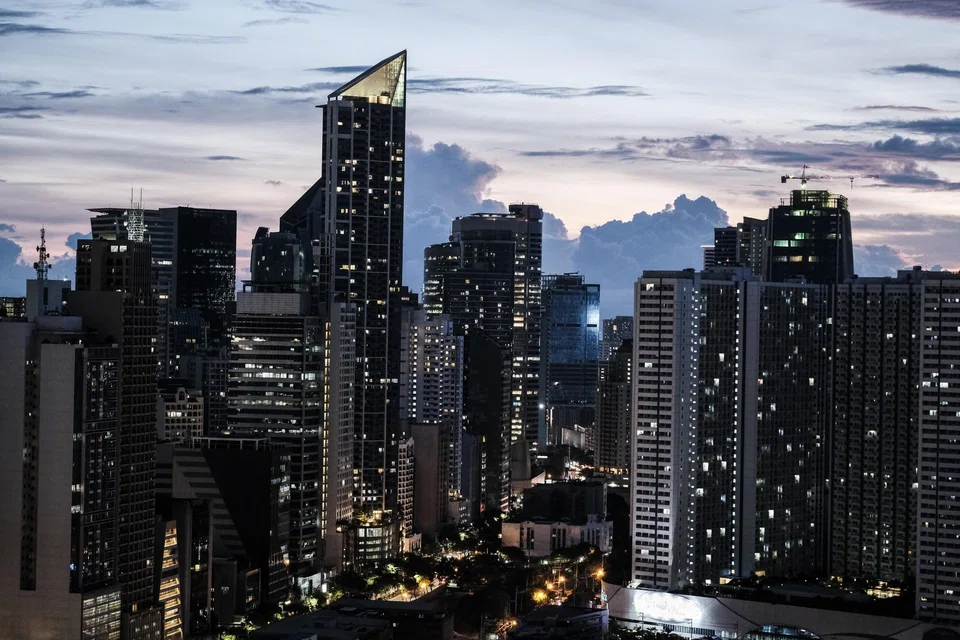
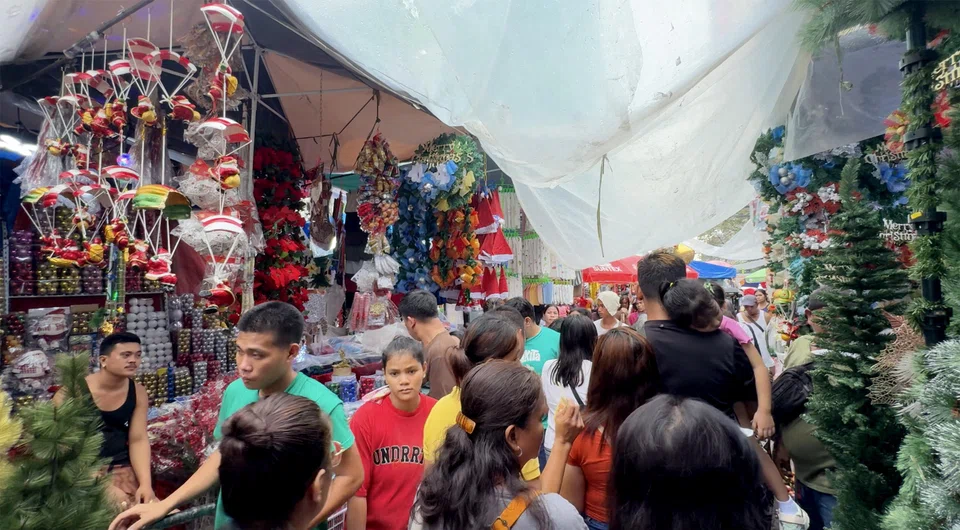
Philippine economic growth slowed to 3 per cent in October to December, the weakest pace in 14 years outside of the pandemic, due to a public works corruption scandal that’s been weighing on investments and household and government spending.
Another data point that the BSP will have to take into account is the peso’s recent weakness, which it said were among the factors that drove inflation last month along with higher food and fuel prices. The peso fell to a record low of 59.50 against the US dollar on Jan 20, although it has since recouped some of its losses. BLOOMBERG
Decoding Asia newsletter: your guide to navigating Asia in a new global order. Sign up here to get Decoding Asia newsletter. Delivered to your inbox. Free.
Share with us your feedback on BT's products and services

