Philippines faces tough fight to maintain price stability
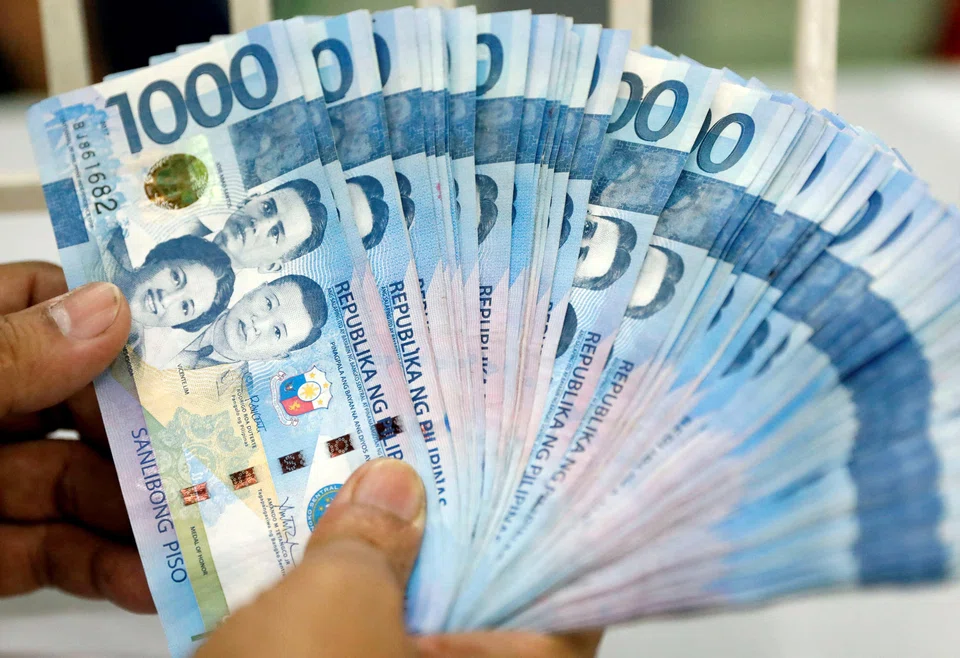
[MANILA] The inflation rate in the Philippines reached a 14-year high of 8.1 per cent in December, but the central bank has expressed confidence that it can be brought down to below 4 per cent by as early as the third quarter of this year.
However, analysts told The Business Times that various factors may impede the government’s drive to curb inflation in the coming months.
Michael Ricafort, the chief economist at Rizal Commercial Banking Corporation, noted that upward price trends of commodities like crude oil and metal, the spike in Covid-19 cases and the trend of natural calamities recently in southern Philippines, could all hamper the country’s post-pandemic recovery efforts.
“Better weather conditions into the summer months in 2023 would lead to increased production of various agricultural products, thereby increasing local supplies and reduce prices, especially food prices, which account for a large weight in the inflation basket,” he said.
Security Bank’s chief economist Robert Dan Roces also advised the central bank – Bangko Sentral ng Pilipinas (BSP) – to increase interest rates in order to maintain price stability.
He said that the consumption slowdown following the Christmas and New Year holiday period will be favourable for bringing down inflation. This gives the BSP some wiggle room to diminish the size of hikes so as not to slow down domestic growth too much, while still driving home the inflation fight, he said.
Arsenio Balisacan, the secretary of the National Economic Development Authority, stressed that the government is doing all it can to bring down inflation.
“We will continue to support consumers and affected sectors through the extension of reduced tariffs on various products, facilitation of an accessible food supply chain, reduction of transport and logistics costs, and other measures to cushion the impact of inflation on the purchasing power of households,” he said.
Ricafort, meanwhile, lauded the recent moves by the government to keep the reduced tariffs on pork, rice, corn and coal at least until December this year to help ease inflationary pressures.
He also noted that in the case of onions, “prices already started to go down after the holiday season; also in view of harvest season and some importation in January 2023, it will fundamentally lead to higher supply and lower prices”.
Onions have somehow become a symbol of the Philippines’ economic troubles. The holiday period saw onion prices surge to nearly 800 pesos (S$19.50) per kilo, making it more expensive than chicken or pork. What was once a staple of almost every household is now a luxury, and the authorities are trying to increase imports and bring the prices down to the 200-peso mark.
Farmers’ groups such as the Peasant Movement of the Philippines (KMP) said the government must go beyond trade relations and emergency importations to address the problem of low supply and high demand and prices.
They added that an over-reliance on foreign markets negates the badly needed support for local farmers.
“The economy is not just about rosy projections. If we had better agricultural support, onion growers, for example, would have better access to markets, public cold storage facilities and other needs,” said KMP chairperson Danilo Ramos.
On the whole, the Philippine economy ended 2022 with the fastest growth rate in over 40 years thanks to a healthy final quarter, but policymakers and analysts have warned that a global economic slowdown and rising inflation will mean many challenges in 2023.
Fourth-quarter growth came in at 7.2 per cent, up from the 6.5 per cent pace expected in a Reuters poll. This took full-year growth to 7.6 per cent, the fastest since 1976 and higher than the government’s official target of between 6.5 per cent and 7.5 per cent.
The Makati Business Club (MBC) said: “(2022) was difficult for the global economy, with the Philippines getting hit by inflationary effects and supply chain disruptions for oil and other key food commodities.”