The Philippines plans to borrow US$54 billion in 2027 to revive growth
The proposed debt, mostly to be raised domestically, would account for 46% of next year’s Budget of 7.2 trillion pesos
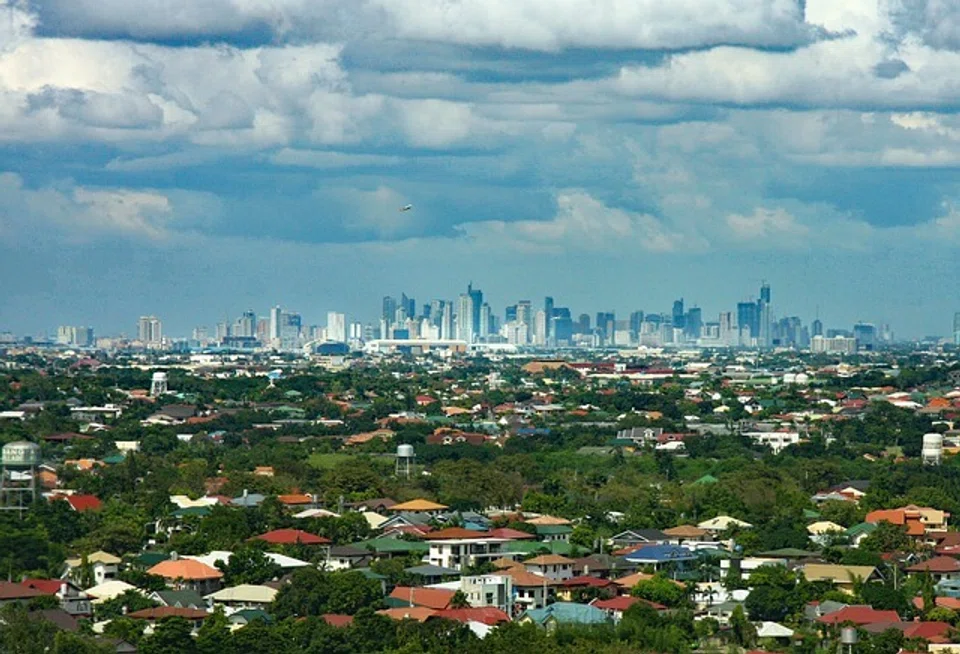
[MANILA] The Philippine government plans to borrow 3.3 trillion pesos (US$54 billion) next year, up by a fifth, as it seeks to revitalise an economy rocked by the Middle East conflict and a corruption scandal.
The proposed debt, mostly to be raised domestically, would account for 46 per cent of next year’s Budget of 7.2 trillion pesos, data from the Department of Budget and Management showed on Tuesday (Aug 11). It would be 20 per cent higher than this year’s revised borrowing plan of 2.73 trillion pesos.
The nation has raised its Budget deficit-to-gross domestic product ratio to 5.1 per cent for next year, up from the 4.8 per cent previous target as it seeks to spend more to support growth. Its outstanding debt stood at 19.07 trillion pesos as of June, roughly 66 per cent of GDP.

President Ferdinand Marcos Jr said that the Budget focuses on reforms aimed at long-term development. “Amid continuing global uncertainties – including geopolitical tensions, persistent inflationary pressures, and volatile energy prices – we remain steadfast in pursuing growth that is both resilient and fiscally responsible,” Marcos said in his Budget message.
The borrowing plan will be tracked closely by international investors, many of whom are jittery about emerging markets that are vulnerable to oil price shocks. The government is planning to raise so-called sin taxes on soft drinks, e-cigarettes and alcohol, to help pay for stimulus measures Marcos revealed during his State of the Nation Address last month.
Of the total gross borrowings, about 1.6 trillion pesos, or nearly half, goes to amortisation. “This means a substantial portion of the borrowings is simply intended to refinance maturing obligations rather than fund additional spending,” said Domini Velasquez, chief economist at China Banking Corp.
Marcos announced tax relief for households and subsidies to counter the impact of energy-price spikes on a nation that gets more than 90 per cent of its oil from the Middle East. Fallout from the Iran War hit an economy that had already stuttered as a public works graft scandal led to a collapse in state, business and personal spending.
The government is looking to raise 915 billion pesos from foreign creditors, including multilateral lenders like World Bank and Asian Development Bank, up from an estimated 815.5 billion pesos in 2026. Of that amount, 366 billion pesos will be sourced from the international bond market, compared with 314.4 billion pesos this year. It has already raised US$5.25 billion in global bonds so far in 2026.
Domestic borrowings planned for 2027 total 2.39 trillion pesos, up 24 per cent from 1.92 trillion pesos this year and should account for about 72 per cent of total debt.



Philippine local bonds are among the biggest losers in emerging markets this year, handing dollar-based investors a 5 per cent loss on a hedged basis. The peso has dropped 4 per cent this year. On Tuesday, the local currency lost nearly 1 per cent against the US dollar mainly on elevated oil prices.
The country’s proposed Budget for 2027 is 6 per cent higher than this year’s allocation of 6.79 trillion pesos. It plans a budget deficit of 1.69 trillion pesos for 2027, wider than the revised ceiling of 1.66 trillion pesos this year.
“This Budget prioritises the provision of support to our country’s economic growth through strategic investments in infrastructure, education, health, food security, and social protection,” Budget secretary Kim Robert de Leon said when his department submitted the budget plan to Congress on Tuesday.
The fiscal consolidation programme remains intact, although the pace has moderated, according to Velasquez of China Bank. “Moving forward, placing the debt-to-GDP ratio on a sustained downward path will require a combination of stronger economic growth, continued revenue-enhancing reforms, and prudent expenditure management,” she said. BLOOMBERG
Decoding Asia newsletter: your guide to navigating Asia in a new global order. Sign up here to get Decoding Asia newsletter. Delivered to your inbox. Free.
Share with us your feedback on BT's products and services