Philippines seeks oil law review as high prices threaten nation
Other Asian countries are also restricting fuel use
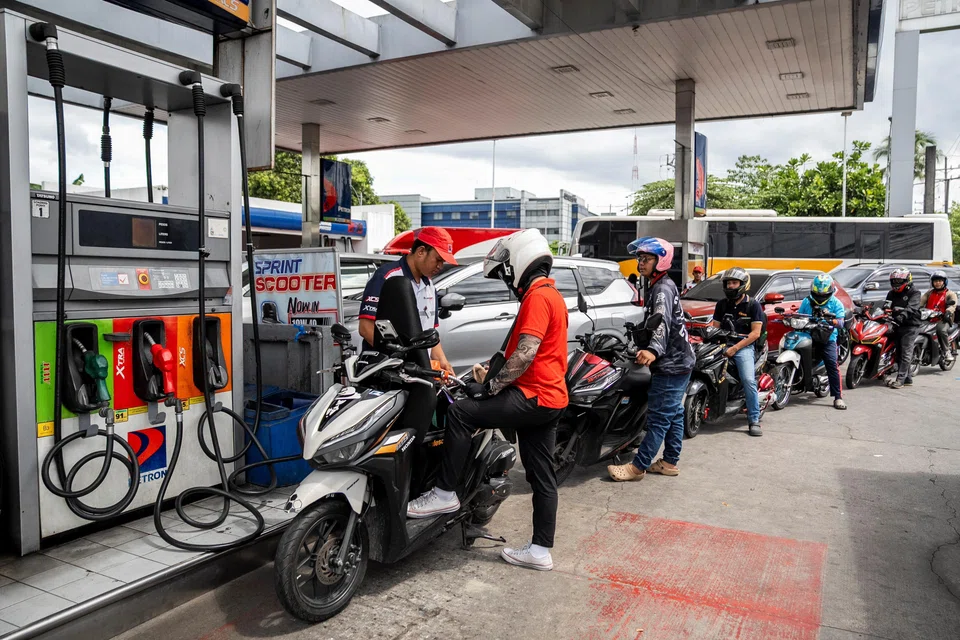
[MANILA] The Philippines is looking to review a nearly 30-year old law that liberalised its oil industry, as the government aims to have a better grip on fuel prices that have shot higher due to the Iran war.
Energy Secretary Sharon Garin has backed proposals by some lawmakers to review a 1998 law that she said left the industry “totally unregulated”, threatening the import-dependent nation.
“It’s about time that we revisit that – learning from what’s happening now (and) in previous years when there were oil problems in the other side of the world,” Garin said on Friday (Mar 13).
“Unregulated market works when the circumstances are good. In good times, it’s a good market to have. In bad times, it’s a bad market to have,” she added. “There has to be a balance in the powers of the Department of Energy.”
The Philippines, which imports nearly all of its oil requirements, will likely see another round of substantial increase in fuel prices next week, with power costs set to rise by 16 per cent in April, according to Garin. Those price spikes could fan inflation further, which already accelerated to the highest in more than a year in February.
“The Philippines cannot survive in an environment where the international market dictates its price,” she said, also pointing to efforts by the South-east Asian nation to boost the share of renewable power in its energy mix.


Philippine oil companies are looking at sourcing supply from countries beyond the Middle East, but the energy chief said that’s proving to be difficult.
“It’s not about the supply, it’s about the price,” Garin said. “And if you do buy one, you have to find the ship that’s willing to sail to your country and the price of the logistics is increasing day to day. Insurance is high also. So there’s so much to consider.”
Other Asian countries are also restricting fuel use and telling citizens to avoid panic-buying as the world’s biggest energy-importing region is particularly exposed as the war in the Middle East curtails access to oil and fuel from the Persian Gulf. BLOOMBERG
Decoding Asia newsletter: your guide to navigating Asia in a new global order. Sign up here to get Decoding Asia newsletter. Delivered to your inbox. Free.
Share with us your feedback on BT's products and services