



The Philippines signals further tightening after off-cycle hike
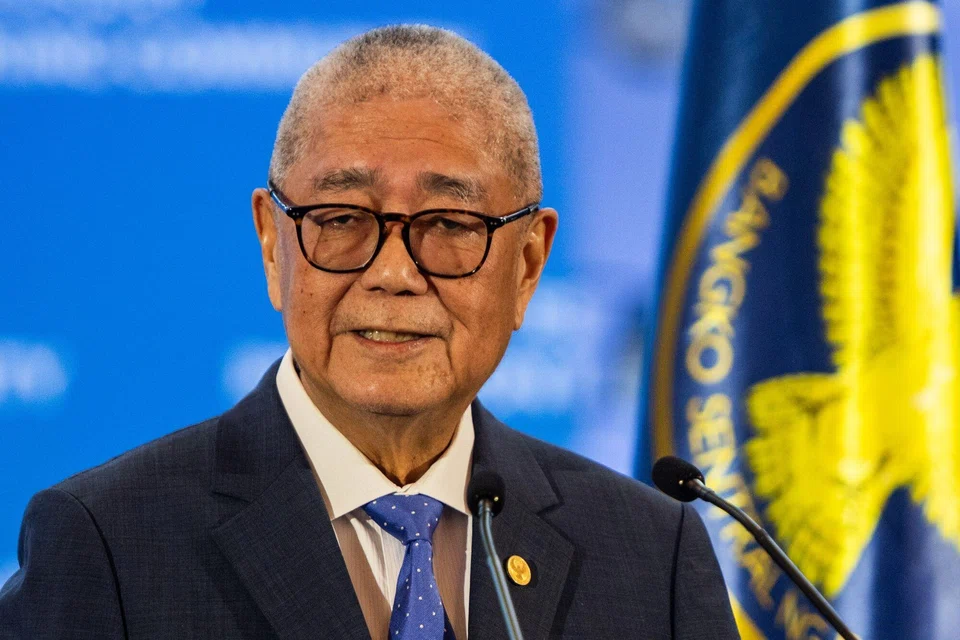
THE Philippine central bank resumed tightening monetary policy in an off-cycle move Thursday (Oct 26) and signalled that it’s ready to deliver “follow through policy action” if necessary to bring inflation back to target.
The Bangko Sentral ng Pilipinas (BSP) will increase its target rate by 25 basis points to 6.5 per cent effective from Friday, Governor Eli Remolona said in a briefing.
“The Monetary Board recognised the need for this urgent monetary action to prevent supply-side price pressures from inducing additional second-round effects and further dislodging inflation expectations,” he said.
The move telegraphed by the the governor earlier this week takes the cumulative BSP rate increases since May 2022 to 450 basis points, in the bank’s most aggressive tightening in two decades.
Further tightening will be considered at the Nov 16 policy meeting, according to Remolona, who said in his personal view, the BSP “fell a little bit behind” after it decided not to raise the rate at the September meeting when inflation risks have already increased.
“That is the reason for this effort to catch up,” the governor said. The rate panel “deems it necessary to keep monetary policy settings tighter for longer until inflationary expectations are better anchored and a sustained downward trend in inflation becomes evident”.
The BSP has raised its “risk-adjusted” inflation forecast for 2024 to 4.7 per cent from a previous estimate of 4.3 per cent, Remolona said, well above the 2 per cent to 4 per cent target. Inflation risks have risen after global oil prices soared as the Middle East conflict intensified.
The Philippines is the latest to resume tightening, after Indonesia surprised with a quarter-point move last week. Reserve Bank of Australia’s new governor this week said policymakers won’t hesitate to raise rates if there is a “material upward” risk to the inflation outlook. Singapore opted to review policy settings quarterly instead of bi-annually to respond to economic data faster.
The Philippine peso held its loss after the decision, with the currency trading 0.2 per cent weaker at 56.97 per dollar as at 3:54 pm local time. A rate hike may help bolster the peso, which slid about 4 per cent in the past three months.

Remolona himself has doubled down on hawkish rhetoric since he took office in July, raising the possibility of an unscheduled rate increase just days after the BSP kept the policy rate unchanged for a fourth straight meeting on Sep 21.
The minutes of that meeting released on Oct 19 showed that authorities already saw risks of missing the central bank’s 2 per cent to 4 per cent inflation target for a third year in 2024 amid price threats from El Nino, food supply constraints and higher power and transport costs.
The BSP’s hawkish stance, however, has drawn concerns from other government officials who warned of monetary tightening’s long-term impact on economic growth. BLOOMBERG
Decoding Asia newsletter: your guide to navigating Asia in a new global order. Sign up here to get Decoding Asia newsletter. Delivered to your inbox. Free.
Share with us your feedback on BT's products and services
TRENDING NOW
US dollar falters after Iran’s offer to reopen Hormuz sends oil lower

He built the Vingroup empire. Now South-east Asia’s richest man is handing some key roles to his sons
Floods compound Philippine growth woes from public-works scandal

Tokyo reverses baby bust with AI matchmaking and generous subsidies

