



Pocky seeks larger bite of snack market with new Indonesia factory
Ezaki Glico’s largest Pocky facility will supply its flagship snack to South-east Asia and North America

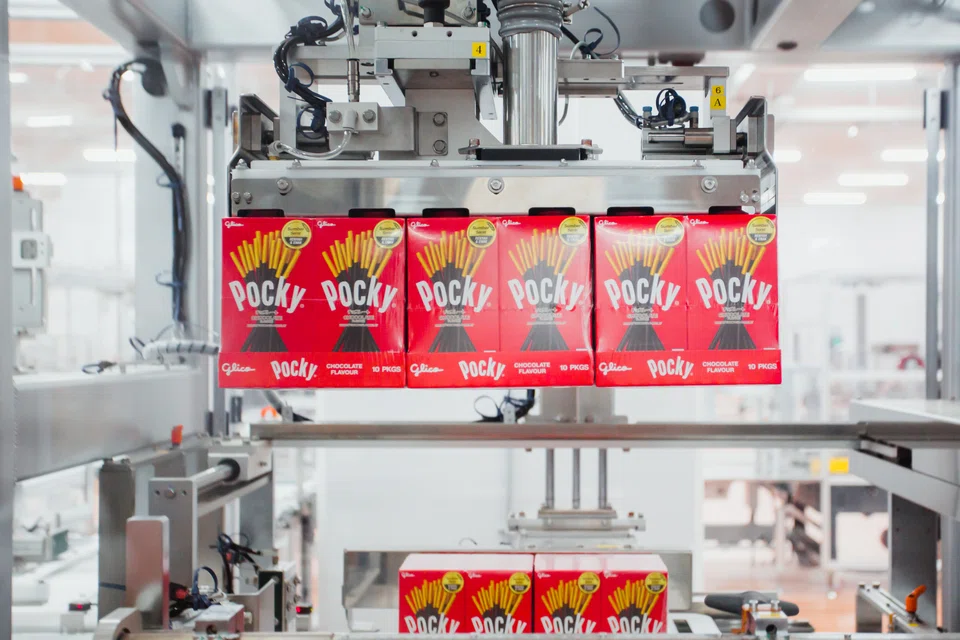
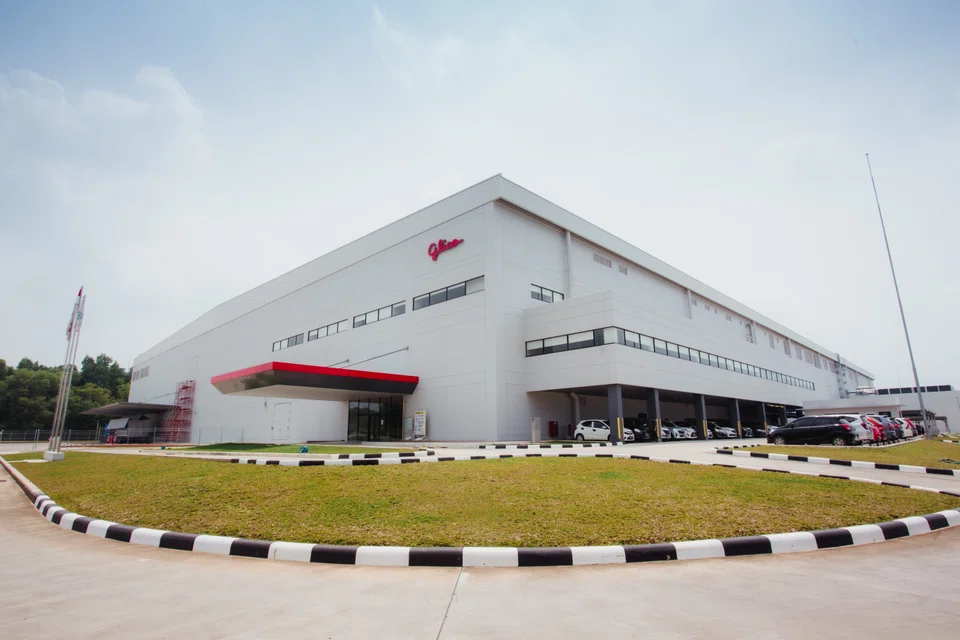
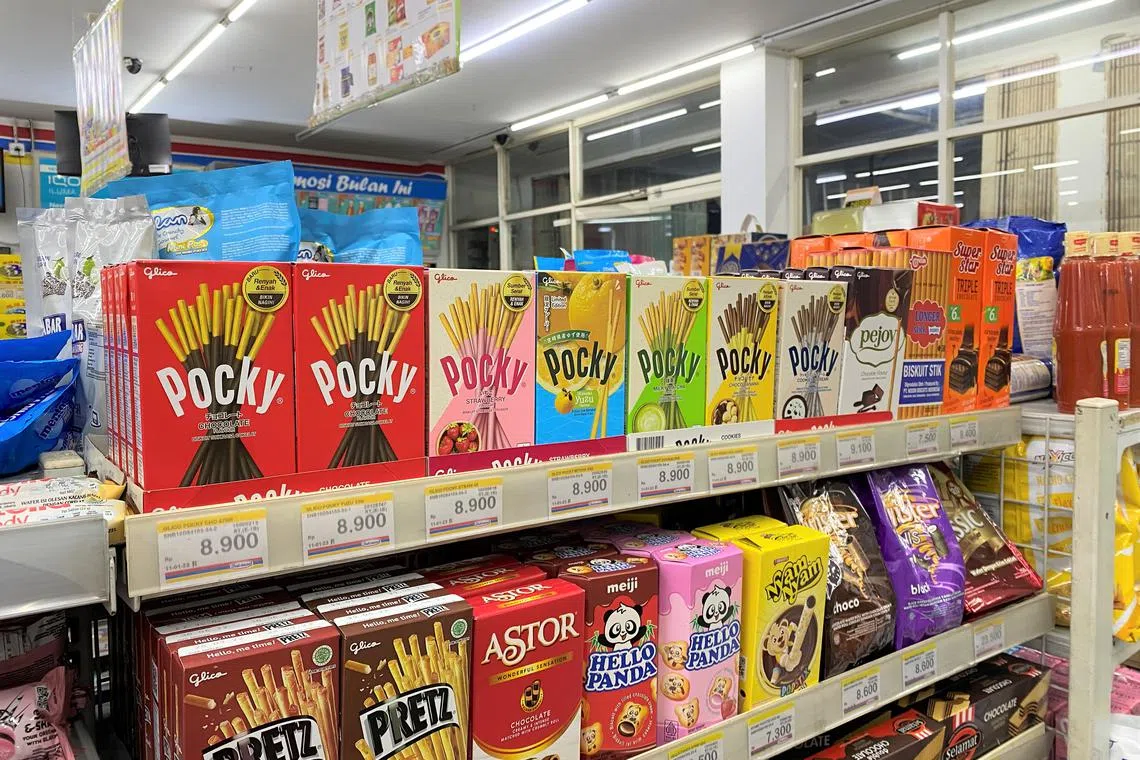
[KARAWANG, INDONESIA] The next box of chocolate or strawberry Pocky snacks you buy might well have been made at the world’s largest Pocky factory in Indonesia.
The 1.9 trillion rupiah (S$165.8 million) facility opened last November in the manufacturing hub of Karawang, about a two-hour drive from the capital Jakarta.
Japanese food conglomerate Ezaki Glico chose to produce its signature chocolate-coated pretzel sticks there in order to supply both Indonesian consumers and growing export markets in South-east Asia and North America.
Glico reported net sales of 303.9 billion yen (S$3.1 billion) for the year ended Dec 31, 2022, up 3.9 per cent from 292.6 billion yen the year before. Sales outside Japan, across all products, made up about 20 per cent of this.
“We still have room to improve our market share outside Japan,” said Hideaki Nagahisa, chief operating officer of Glico Asia Pacific, at a recent media tour of the facility.
To do this, the group is banking on Pocky, its most popular product. Pocky currently accounts for 76 per cent of Glico Asia Pacific’s total confectionary sales; the group’s other flagship biscuit brands are Pretz and Pejoy.
Indonesia is seen as a key growth engine in the Pocky push. Thailand is home to Glico’s first two South-east Asian factories and is its largest Asia-Pacific market outside Japan, accounting for 46 per cent of confectionery sales in the region. But Indonesia is the next largest, at 36 per cent.
From 2018 to 2022, the group’s net sales in Indonesia had a compound annual growth rate of 31 per cent. More than 90 per cent of this growth was contributed by Pocky alone.
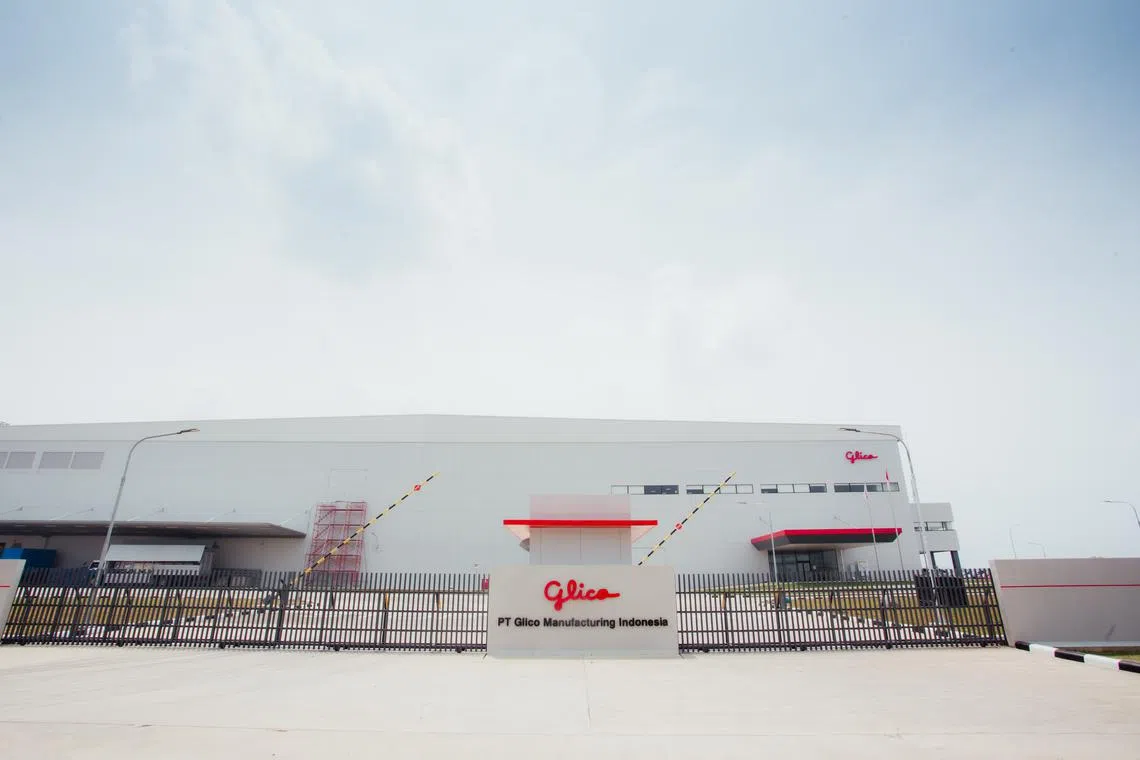
Indonesia is important due to its large and growing population, with a rising middle class. The decision to build a Pocky production base there was “very strategic, because the supply will be direct to the biggest market in Asean”, said Bhakti Priyana, president director of PT Glico Manufacturing Indonesia, which runs the factory.
To increase the snack’s reach in Indonesia, Glico in 2020 expanded its distribution of Pocky beyond hypermarkets, supermarkets and mini-marts to traditional mom-and-pop stores too.
The Karawang factory is Glico’s third in South-east Asia, and its largest worldwide with a total floor space of 57,000 square metres. Its shipments to South-east Asia started this January, while exports to the United States will begin this spring. This is on top of existing exports to these markets from factories in Thailand and Japan.
From flour to stick to snack
The original chocolate-flavoured Pocky, in its distinctive red box, was launched in 1966 and became an instant hit in Japan. In 1970, Glico opened its first overseas production base in Thailand.
Karawang is the first of its factories to feature new technologies for greater quality control. For instance, a smart mixer regulates the temperature and moisture content of the ingredients for the biscuit stick.
A remote equipment monitoring system for its production line also allows any software glitches to be remotely fixed by a Japan-based technician.
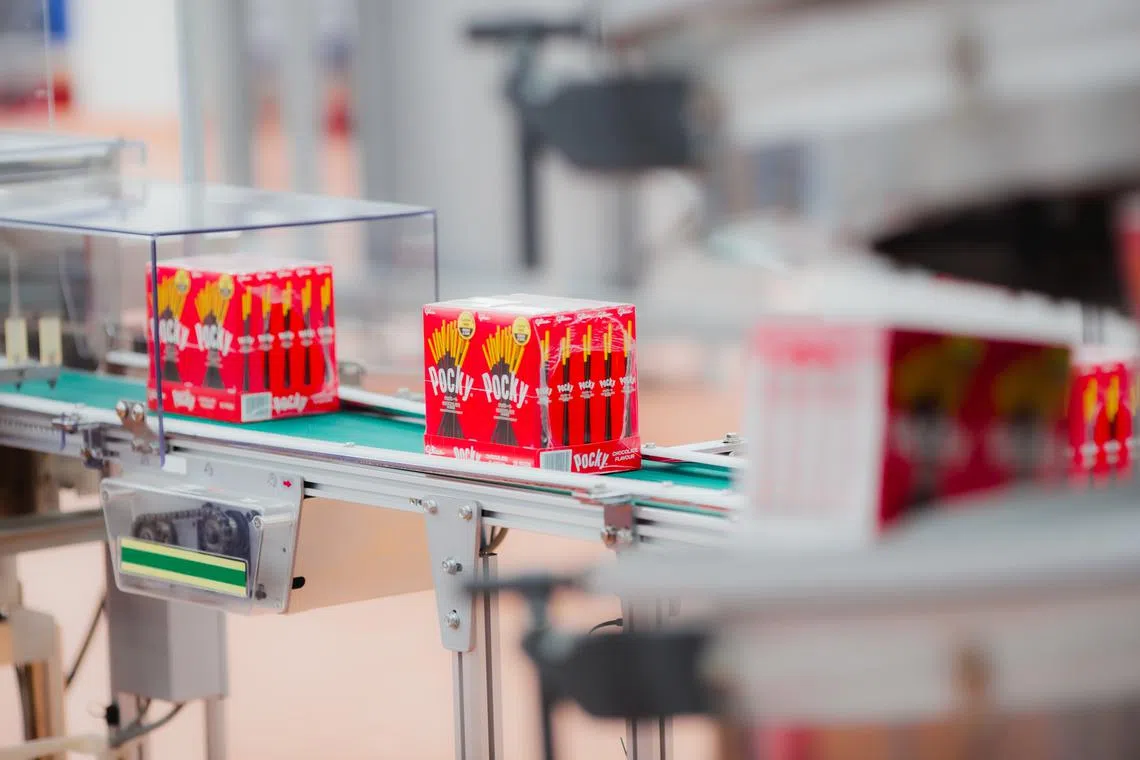
In the wake of the Covid-19 pandemic, strict hygiene and security precautions are being taken.
Entrances use iris recognition to identify and give access to employees, so masks need not be removed. Restrooms automatically lock from the inside, and only open after users have used an attached dispenser to sanitise their hands.
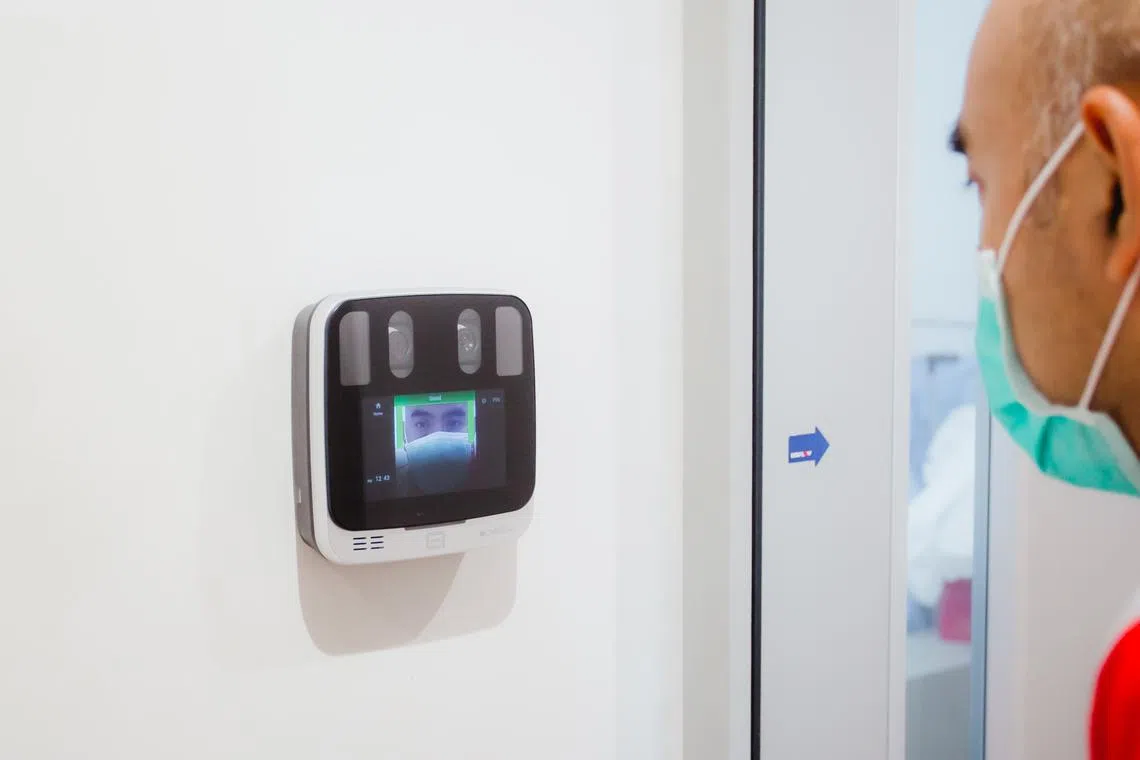
The mostly-automated assembly line operates continuously 24/7. Whole wheat flour, the main ingredient of Pocky’s biscuit stick, is dehumidified and kept at a constant temperature in a vacuum cooler. To form the dough, it is kneaded with ingredients such as sugar, fats, oil and flavouring, with about 600 kilograms produced at a time.
Dough is cut into pieces, flattened into sheets, then shredded into noodle-like sticks and baked at nearly 300 degrees Celsius for four minutes.
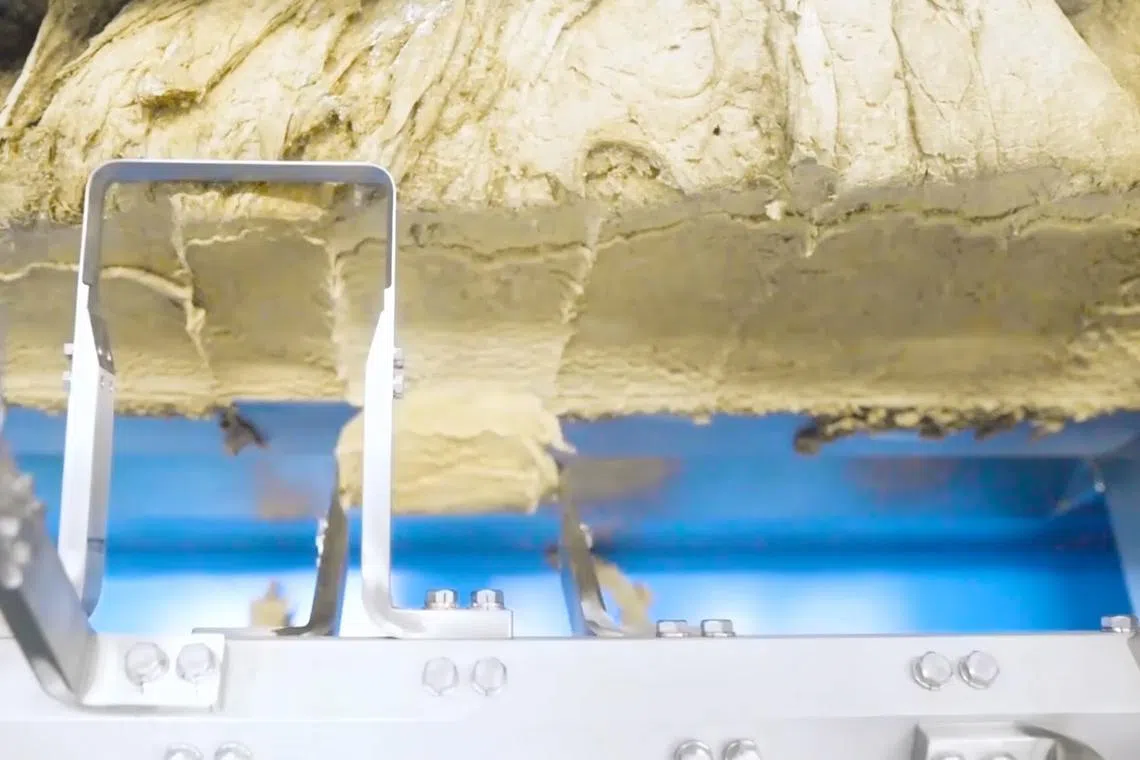
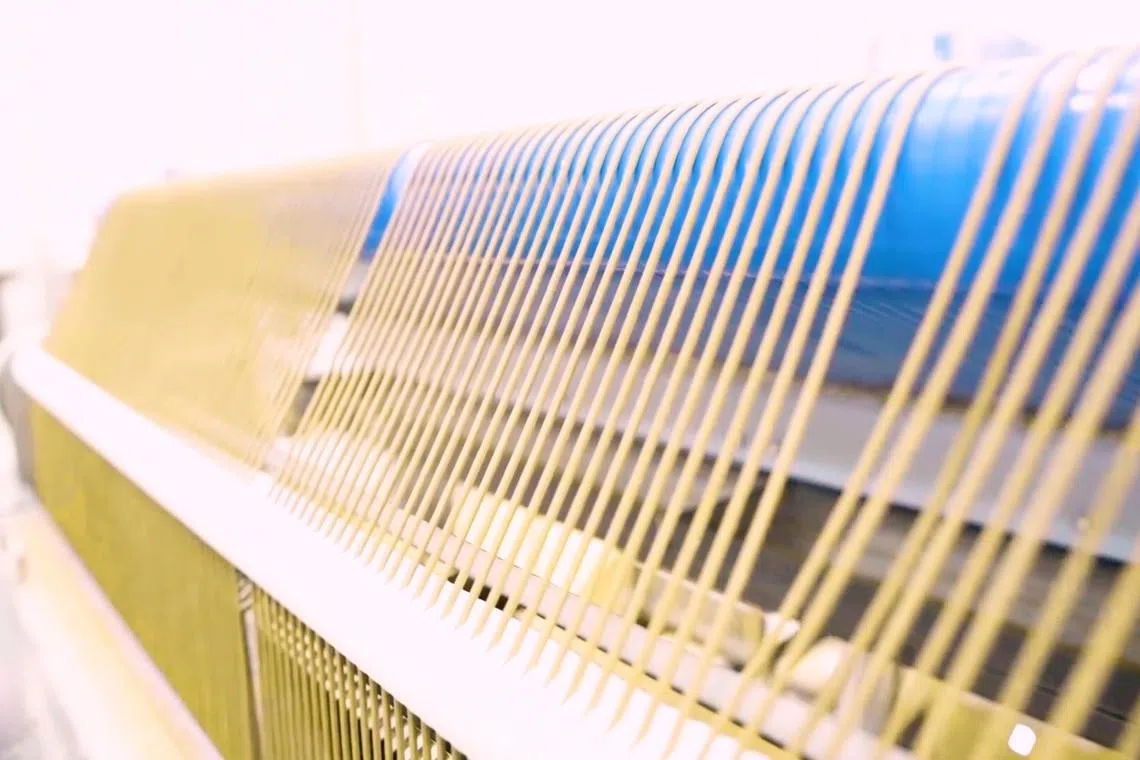
Slight variations in the dough’s moisture content and the ambient temperature, however, can cause uneven colouring. Karawang is Glico’s first factory to use a smart oven that optimises baking conditions to control the colour of the baked dough.
After the biscuit sticks cool, they are coated with Pocky’s signature chocolate cream – the production of which remains a closely guarded secret. The dip is “manufactured in a controlled environment to ensure quality”, with access restricted to a select few employees.
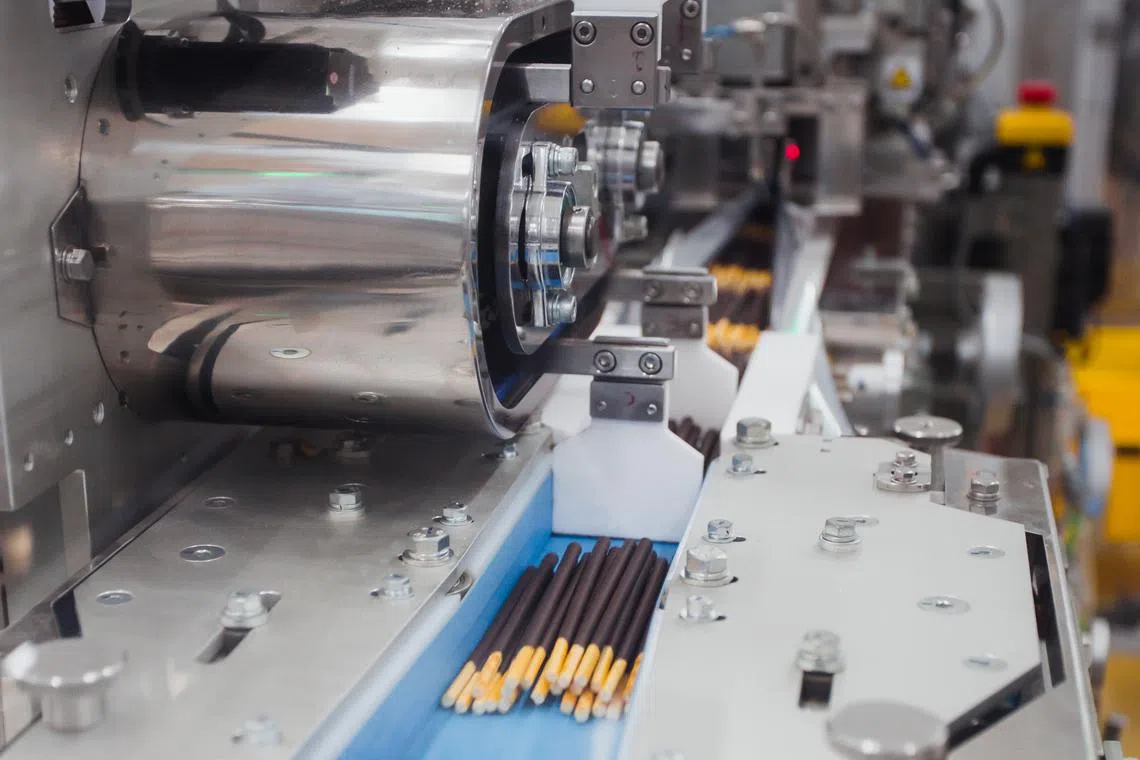
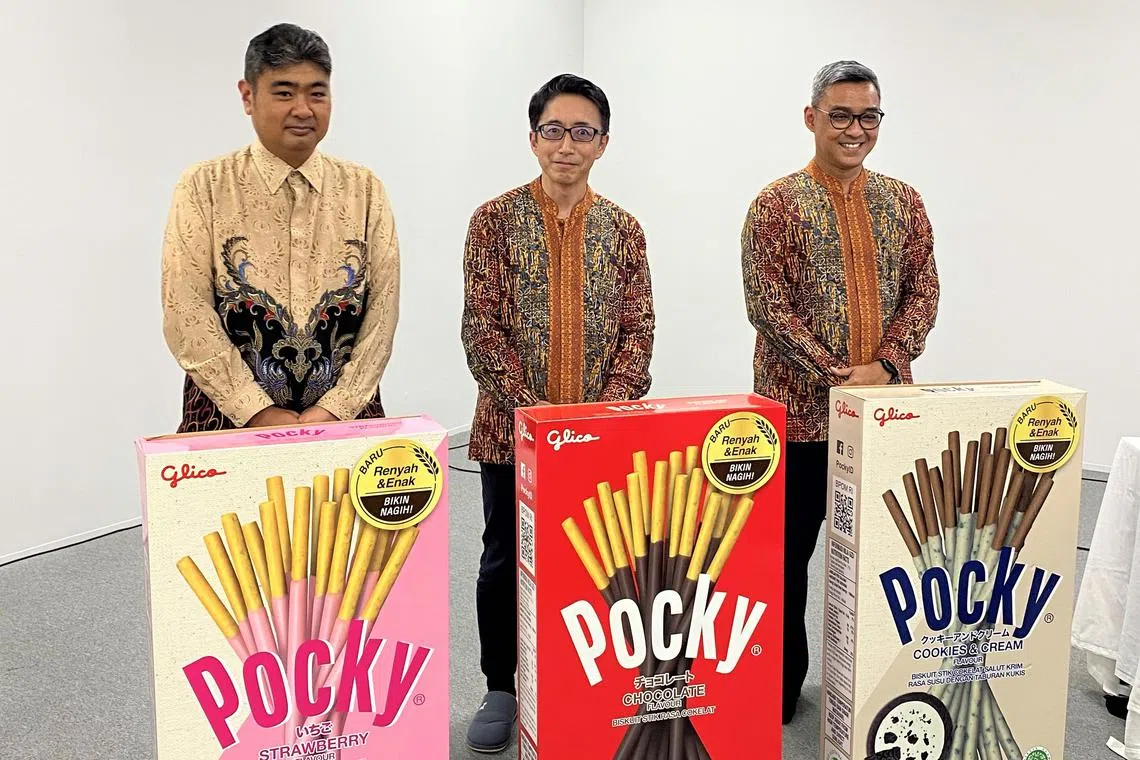
Besides the original chocolate, the factory produces Pocky in four other classic flavours for the Indonesia market: double chocolate, strawberry, matcha, and cookies and cream. To cater to Indonesian tastebuds, the group previously launched limited-edition, seasonal flavours such as coconut and brown sugar.






