



Prabowo’s proposed tax hike rattles miners, jeopardises Indonesia’s downstream ambitions
The resource-rich country is pushing for higher mineral royalties to boost its coffers – a move that could reshape the mining landscape

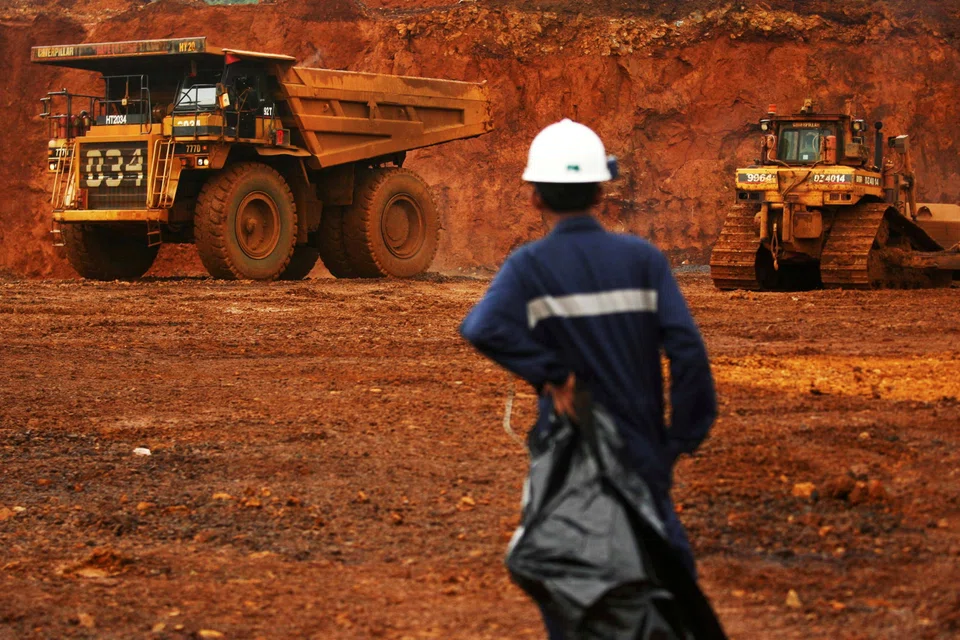
[JAKARTA] Indonesia’s bold push to hike royalties on key commodities from copper to gold and nickel is sending shockwaves through the mining sector, with analysts warning it could squeeze margins, spook investors and cast a shadow over the country’s downstreaming ambitions.
A newly released public consultation paper from the Energy and Mineral Resources Ministry under President Prabowo Subianto has fuelled concerns over regulatory uncertainty and industry profitability, as it proposes higher mineral royalties to tighten the screws on miners.
CreditSights, the debt research arm of Fitch Group, warned that if the proposed royalty hike takes effect, it could chip away at the margins and cash flow of Indonesia’s metal miners.
However, the miners “should have some flexibility in passing through the higher royalties to the end-customer”, the research firm noted.
The proposed royalty hike zeroes in on crucial commodities copper, gold, nickel, ferronickel, tin and thermal coal – resources at the heart of the government’s ambitious downstreaming agenda.
CreditSights flagged that this development could keep investors on edge, and wary of the ongoing regulatory uncertainty in Indonesia’s metals and mining sector.
The impact of the royalty hike on miners will vary depending on their permit type, with some feeling the strain more than others.
With the current reference price for copper set at US$9,362 per tonne, copper ore royalties could triple from 5 per cent to 15 per cent, while ferronickel royalties would see a 150 per cent increase, climbing from 2 per cent to 5 per cent.
Major players like gold producer Freeport Indonesia and nickel giant Vale Indonesia are also expected to bear the brunt of the increased levies.
In response to queries from The Business Times, Vale, which is majority-owned by the government, confirmed that the proposed royalty increase would affect the firm financially. The company produces 75,000 tonnes of nickel annually.
“However, the hike presents an opportunity for the company to improve operational efficiency and achieve healthy profits,” said Vanda Kusumaningrum, head of corporate communications at Vale.
The company’s financial performance had taken a sharp downturn, with revenue sliding 23 per cent in 2024 to US$950 million as weaker nickel prices weighed on earnings. Net profit plummeted 79 per cent year on year to US$58 million.

Downer for downstream goals
The proposed royalty hike is seen as a potential stumbling block in the Indonesian government’s push to accelerate nickel downstreaming, a key mineral in the electric vehicle ecosystem.
The flat 10 per cent tax on nickel ore production will be replaced by a sliding scale of 14 to 19 per cent, tied to government-set benchmark prices.
Smelters won’t be spared either. Taxes on processed products such as ferronickel and nickel pig iron are set to rise, adding to cost pressures that have already forced some plants to scale back production.
In 2024, Indonesia produced 298 million tonnes of nickel ore, accounting for half of global output. With such a dominant supply, Indonesia’s production plays a crucial role in shaping global nickel prices.
Oktavianus Audi, vice-president at Kiwoom Sekuritas, cautions that the royalty hike could push producers to scale back output this year and postpone expansion plans, potentially slowing industry growth.
He noted that a drop in nickel production could tighten global supply, raising the possibility of a rebound in prices, given Indonesia’s significant role in the market.
“This could undermine the global competitiveness of Indonesia’s nickel and copper industries, potentially conflicting with the country’s long-term focus on commodity downstreaming,” he said.
Indonesian Nickel Miners Association (APNI) said the proposed tax hikes arrive at a particularly difficult time, as miners are already facing mounting financial pressure from the recent global slump in nickel prices due to oversupply.
Bad timing
The rapid expansion of the nickel industry has triggered a surge in supply, overflowing global markets and driving prices down from their previous highs.
Throughout last year, nickel prices averaged US$17,000 per tonne, a steep drop from the US$21,000 peak in 2023 recorded by the London Metal Exchange.
“The government isn’t considering the continued decline in commodity prices,” said APNI secretary-general Meidy Katrin Lengkey at a recent parliamentary hearing.
“If nickel prices were above US$25,000 or US$30,000 per tonne, maybe the royalty hike would be acceptable. But the reality is that prices keep falling, while obligations and production costs continue to rise.”
She added that nickel miners are facing rising production costs this year, partly due to the mandatory B40 biodiesel policy for the mining sector.
The policy mandates miners to use a fuel blend consisting of 40 per cent palm oil and 60 per cent diesel, aiming to reduce dependence on imported diesel fuel.
What’s more, the industry is also facing a new hurdle: a 100 per cent export earnings retention requirement for natural resource export proceeds, effective for 12 months starting in March this year.
The introduction of a tax system aligned with the global minimum tax is expected to increase the pressure on the sector, further challenging its financial stability.
Revenue boost
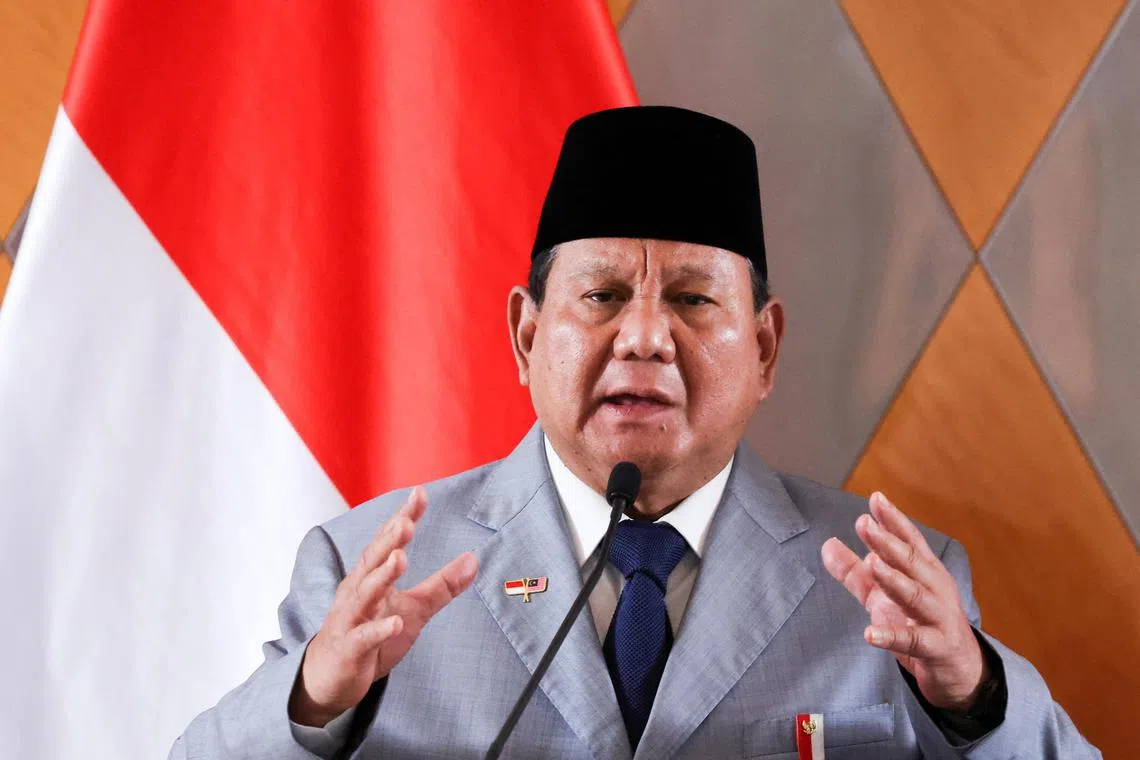
The proposed hike comes amid Prabowo’s drive to boost state revenue and fund his flagship programmes, following the government’s recent decision to scrap a planned VAT hike after facing public backlash.
Blessed with abundant natural resources, Indonesia collects royalties from mining companies for extracting its mineral wealth, a vital stream of the nation’s revenue. Last year, royalty income from the sector hit 140 trillion rupiah (S$11.4 billion), marking a 12 per cent decline from the previous year due to cooling commodity prices.
South-east Asia’s largest economy recorded a budget deficit of 31.2 trillion rupiah in the first two months of 2025, with revenues falling 21 per cent year on year to 316.9 trillion rupiah.
This shortfall highlights the urgent need for the government to intensify efforts to boost state revenue and stabilise the fiscal balance, as concerns grow in financial markets about Indonesia’s fiscal health.
TRENDING NOW

Singapore’s central gas buyer affirms Indonesia’s role as ‘important partner’ amid export review warning

Why the biggest business decision about AI isn’t which model to choose

Is Manila Asia’s new dining hot spot?

KKR founders among investors buying 42% of Peter Lim’s Valencia; club valued at US$1.4 billion

