



RCEP a boon to access and attractiveness for developing economies as investment destinations
With ongoing global health and economic crisis, the agreement can help ensure an unimpeded flow of essential goods within the region
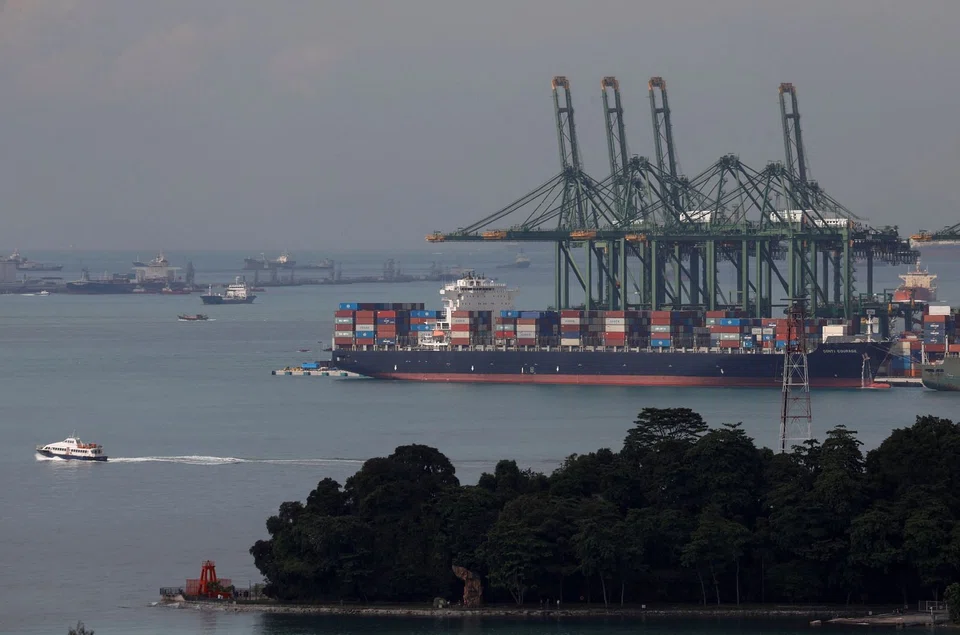
THE Regional Comprehensive Economic Partnership (RCEP) - the world's largest free trade agreement (FTA) - finally entered into force on New Year's Day, having been ratified by 10 of its 15 signatories so far.
The agreement needed 8 long years of negotiations and was signed in 2020 in Hanoi by all 10 Asean member states - Brunei, Cambodia, Indonesia, Laos, Malaysia, Myanmar, the Philippines, Singapore, Thailand and Vietnam - as well as Australia, China, Japan, South Korea and New Zealand.
The RCEP covers a market of around 2.2 billion people and about US$26.2 trillion of global output. It covers 30 per cent of the world's total gross domestic product (GDP), trade and population.
TRENDING NOW

Government to bring forward raising of retirement age, give employers more financial support to create flexi-load jobs
Former minister Maliki Osman, Revolut chairman join Asia Gulf Holdings advisory board

Is Manila Asia’s new dining hot spot?

Simba at risk of losing operating licence over spectrum misuse

