Return of global funds puts South-east Asia in spotlight for 2026
Markets in Indonesia and Thailand have led the way in luring investors back
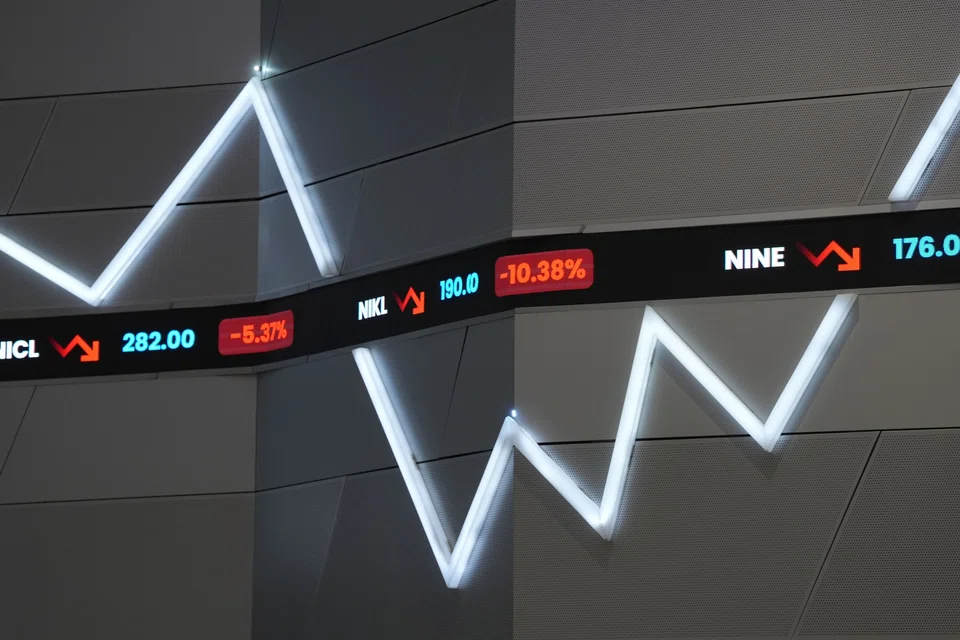
[SINGAPORE] Global capital is coming back to South-east Asia’s stock markets this month, positioning the cohort as one of the must-watch pockets of global finance for 2026.
Drawn by cheap valuations and the need to diversify portfolios, foreign funds have poured US$337 million into South-east Asia’s emerging markets in December, poised to be the most since September 2024. Markets in Indonesia and Thailand have led the way in luring investors back after they sold regional equities in 10 of the previous 11 months. Overall, outflows for 2025 still stand at about US$15 billion.
A dearth of stocks linked to the booming artificial intelligence (AI) sector has been one key reason for the MSCI Asean Index to trail a broader Asia-Pacific gauge by about 13 percentage points in 2025, the most in five years. Besides affordable valuation, the bloc is attracting money managers keen to find alternatives to their high exposure to tech stocks given the worries around an AI bubble.
“Asean should benefit from the overall need for investors to broaden their exposure out of the US, and out of very crowded parts such as AI,” said Christopher Wong, portfolio strategist at Fidelity International. Asean markets have “very different growth engines behind them”, he said.
Some Asean markets, such as Vietnam, are also seen gaining from global supply-chain shifts away from China and the US Federal Reserve’s expected interest-rate cuts. The country’s stocks will also benefit from an upgrade to secondary emerging-market status by FTSE Russell, announced in October.
Earnings prospects for markets such as Indonesia, Vietnam and the Philippines are improving, thanks to major fiscal spending plans by governments to bolster infrastructure and boost household demand, as well as a favourable monetary policy backdrop in some nations.
Benchmark equity indexes in Indonesia, Thailand, Malaysia and Vietnam are trading at valuation multiples that range between 12 and 15 times their one-year forward earnings estimates, while the Philippines’ gauge is trading at a multiple below 10. In comparison, the S&P 500 Index is valued at over 22 times.
There are risks, though. Two of the region’s largest economies face economic challenges from political turmoil at home. Thailand’s Prime Minister Anutin Charnvirakul dissolved parliament earlier this month and set elections for Feb 8. In Indonesia, investors are wary about President Prabowo Subianto’s populist policies.
At the same time, should the AI theme continue to win favour among investors, Asean markets will struggle to shake their underperformance.

Analysts at JPMorgan Chase said last month that “undemanding valuations are making Asean incrementally more attractive for value investors, especially if earnings growth rebounds”. That has proved prescient given the December flows.
If foreign positioning reverts to the median level of the last three years, South-east Asian markets as a whole may see a potential inflow of US$20 billion, analysts, including Khoi Vu, wrote in a note dated Nov 28. BLOOMBERG
Decoding Asia newsletter: your guide to navigating Asia in a new global order. Sign up here to get Decoding Asia newsletter. Delivered to your inbox. Free.
Share with us your feedback on BT's products and services