Revenue-rich Indonesia braces for tighter finances in 2023
 Add BT as a preferred source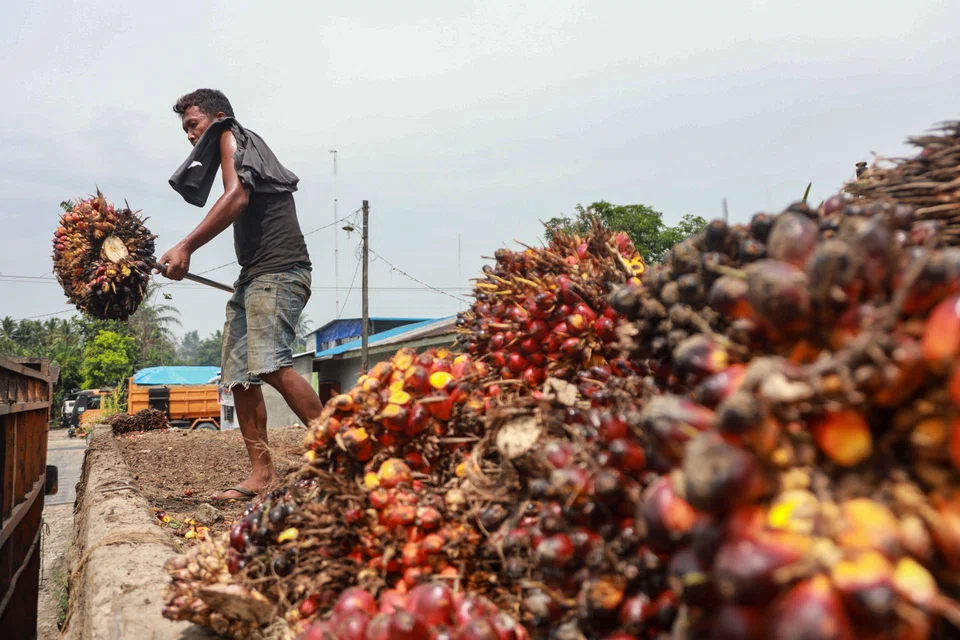
INDONESIA is bracing for leaner times next year as the commodity windfall that has kept its budget in surplus for 7 straight months is expected to taper off.
State revenue will likely fall next year as global coal and palm oil prices weaken, Finance Minister Mulyani Indrawati said Monday (Aug 8). The resource boom has brought Indonesia 279 trillion rupiah (S$25.86 billion) in commodity tax revenues and 48.9 trillion rupiah in export levies this year.
Indonesia’s commodity earnings helped offset its generous spending on subsidies to place the budget surplus at 0.57 per cent of gross domestic product in July, putting the country in an enviable spot as its peers grapple with bloated deficits. Next year, the government will keep wielding the state budget as a “shock absorber” and maintain large state aid to stabilise local prices, while keeping a pledge to rein in the deficit to below 3 per cent of GDP, said Indrawati.
President Joko Widodo is slated to present the 2023 annual budget on Aug 16.
Other highlights from the briefing:
- Subsidies and compensation payments stood at 221 trillion rupiah as of July, and are forecast to hit 502 trillion rupiah for 2022.
- In lieu of the Covid-19 budget, health spending will be increased 27 per cent year on year to 168.4 trillion rupiah in 2023.
- Spending priorities for 2023 include improving human resource quality, developing infrastructure like the new capital, and preparing for the 2024 elections.
Jokowi told ministers to focus on finishing projects next year. instead of starting new ones as the president is set to complete his final term in 2024. BLOOMBERG
Decoding Asia newsletter: your guide to navigating Asia in a new global order. Sign up here to get Decoding Asia newsletter. Delivered to your inbox. Free.
Share with us your feedback on BT's products and services