



Rice prices in Asia soar as Iran war fallout threatens supply
Thai white rice 5% broken, an Asian benchmark, jumps 10% to US$423 a tonne in the week ended Apr 8
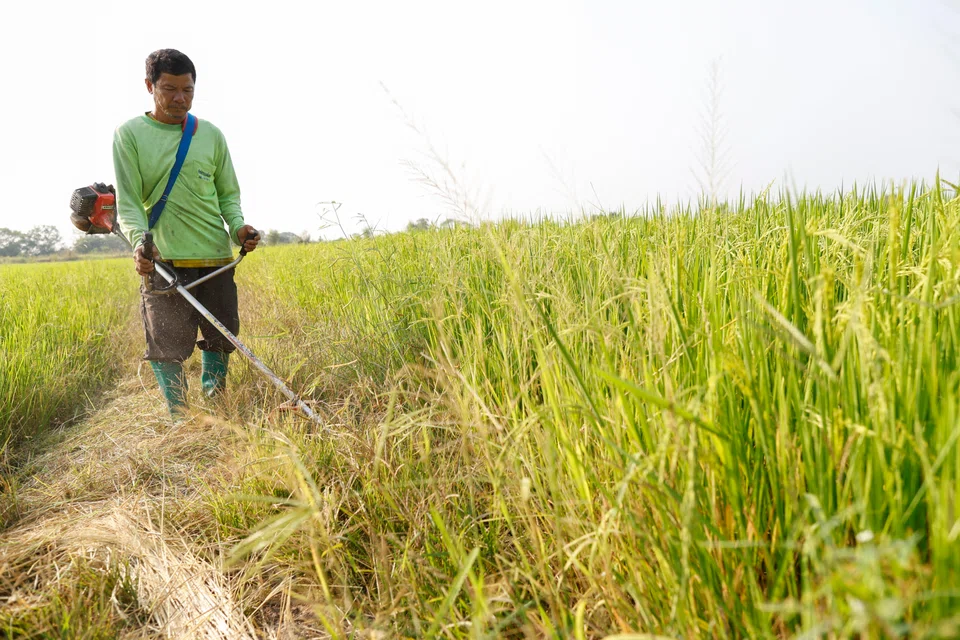
[SINGAPORE] Rice prices surged the most in more than two years on concerns about the supply outlook. This comes after the cost of fuel and fertiliser jumped due to the Iran war, prompting some Thai farmers to leave their crop in the ground.
Thai white rice 5 per cent broken, an Asian benchmark, jumped 10 per cent to US$423 a tonne in the week ended Apr 8, the biggest gain since August 2023.
While it is an early sign that rising input costs are starting to impact the market, prices have been on a prolonged downtrend and were recently near the lowest in over a decade.
Oscar Tjakra, a senior commodities analyst at Rabobank in Singapore, said that some farmers in Thailand have suspended rice cultivation because their profits are simply not enough to cover the ballooning costs.
He added that the challenging situation has been compounded by a long dry season, which has significantly reduced yields and tightened supplies of the current crop.
Tjakra said a stronger baht and higher freight and insurance costs, due to the war in the Middle East, contributed to the jump in rice prices.



Thailand is the third-largest exporter globally, based on data from the US Department of Agriculture. Farmers in the country, along with others in the region, are currently collecting their off-season crop and getting ready for the planting of the main crop that starts as early as May.
US President Donald Trump has indicated that he may be preparing to wind down the war with Iran, offering some relief to broader markets. However, it will take some time for energy flows to return to normal through the Strait of Hormuz.
That may mean input costs remain elevated for longer, denting rice output. BLOOMBERG
Decoding Asia newsletter: your guide to navigating Asia in a new global order. Sign up here to get Decoding Asia newsletter. Delivered to your inbox. Free.
Share with us your feedback on BT's products and services
TRENDING NOW

Once staunchly pro-China, Malaysian Chinese businesses are now distancing themselves from Beijing

Britain’s mansion tax shows the difficulty of targeting wealth

Three hats, one goal: How Ng Kian Swan runs sustainability at NUHS

COE review: The gap between luxury and mass-market cars isn’t the only one worth bridging

