Ringgit hits fresh low of RM3.42 against Singdollar on US debt ceiling jitters, weaker China economy
Tan Ai Leng
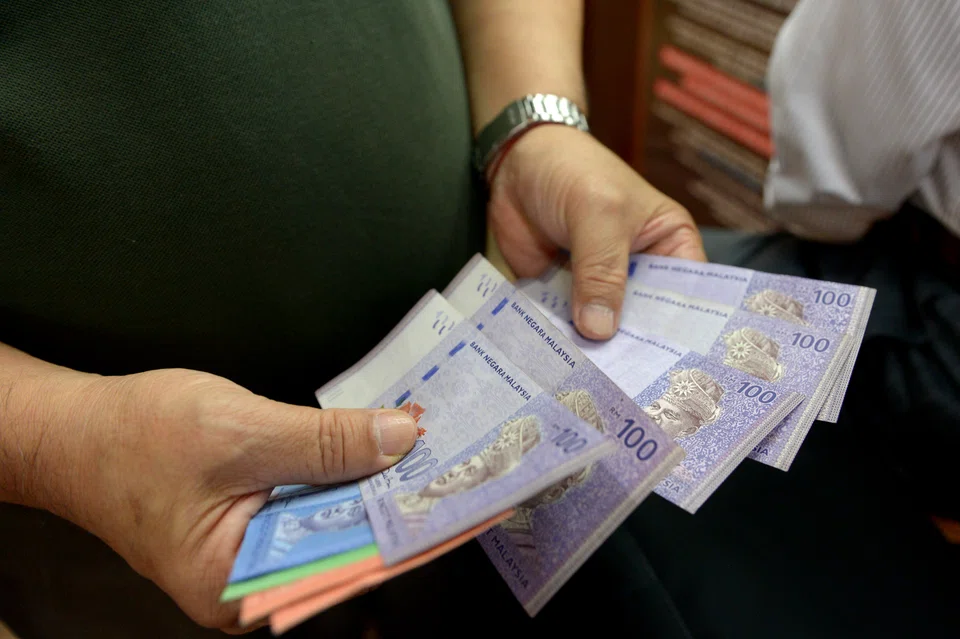
[KUALA LUMPUR] The Malaysian ringgit hit a new record low of RM3.42 against the Singapore dollar on Thursday (May 25) amid growing concerns over the US debt ceiling impasse and the weaker outlook for China’s economy.
The ringgit has tumbled nearly 4 per cent since the start of the year, when it was RM3.29 to the Singdollar on Jan 1. The ringgit also went past the 4.60 level against the US dollar to trade at RM4.63 on Thursday, as the greenback continues to gain due to expectations of another interest rate hike in the US.
Economists expect the downtrend to continue in the short term due to risk aversion and the market’s overall negative sentiment towards the currency.
Bank Muamalat chief economist Mohd Afzanizam Abdul Rashid said the US debt ceiling deadlock has affected various Asian currencies, with the ringgit taking the hardest hit.
He noted that the Monetary Authority of Singapore’s move to take a more aggressive monetary policy stance to tame soaring inflation has led to a greater appreciation of the Singdollar.
“The longer the US’ debt debacle drags on, it will further weaken the financial market and business sentiment. Investors will then flock to stronger currencies that are seen as a safe haven,” he told The Business Times.
UOB senior economist Julia Goh said the ringgit’s weakness has been more intense of late as investors stay bearish on China’s economic outlook.
“The ringgit moves closely in line with the yuan, so the weakness is also partly due to the yuan’s decline that has been weighted by a reassessment of China’s recovery,” she said.
Sailesh Kumar Jha, the chief economist and head of market research at RHB Banking Group, said China’s re-orientation of labour, capital and other inputs to its production sector will take time. As such, the supply side’s response to China’s reopening will likely stay muted for the rest of this year.
In a May 17 report, he wrote that China’s trade data in the second quarter will likely surprise on the downside due to continued supply chain congestion and a reduced dependency by Western allies for parts and components in the electronics sector.
Malaysia, which counts China as one of its biggest trading partners, saw its exports to the world’s second-largest economy slump nearly 20 per cent year on year to RM13.9 billion (S$4.1 billion) in April.
A separate report co-authored by Sailesh said that the ringgit could “retest the historical peak” of RM4.74 against the US dollar by the third quarter of 2023 due to unclear guidance from Malaysia’s central bank and the government’s limited fiscal reforms.
Against the Singdollar, he revised the bank’s near-term projection to between RM3.45 and RM3.50, noting that the ringgit’s weakness is mainly “domestic in nature and less so due to external factors”.
MUFG Bank’s senior currency analyst of global markets research Jeff Ng shared a similar view, noting that the dimming outlook on Malaysia’s trade balance, declining exports growth and sluggish oil prices have also weighed down on the ringgit’s performance.
Malaysia’s exports declined 17.4 per cent year on year in April, the lowest since May 2020.
The Brent oil price has dipped 40 per cent from more than US$120 per barrel in June 2022 to US$72 earlier this month. Analysts say the waning demand for oil will in turn affect Malaysia’s economy as the country is the second-largest producer of oil in South-east Asia.
“In the worst case scenario, we expect the ringgit’s near term resistance will be close to RM4.65 (against the US dollar). Our year-end forecast is RM4.20 against the greenback and RM3.23 against the Singdollar,” said Ng.
UOB has maintained its year-end forecast of RM4.35 against the greenback, with Goh saying that the projection was based on the assumption that the US debt ceiling will be raised and China will experience a more meaningful recovery in the second half of 2023.