Ringgit may continue to weaken through 2022, even as economy recovers: analysts
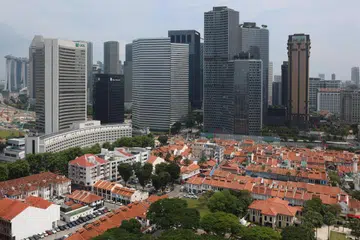
Kuala Lumpur
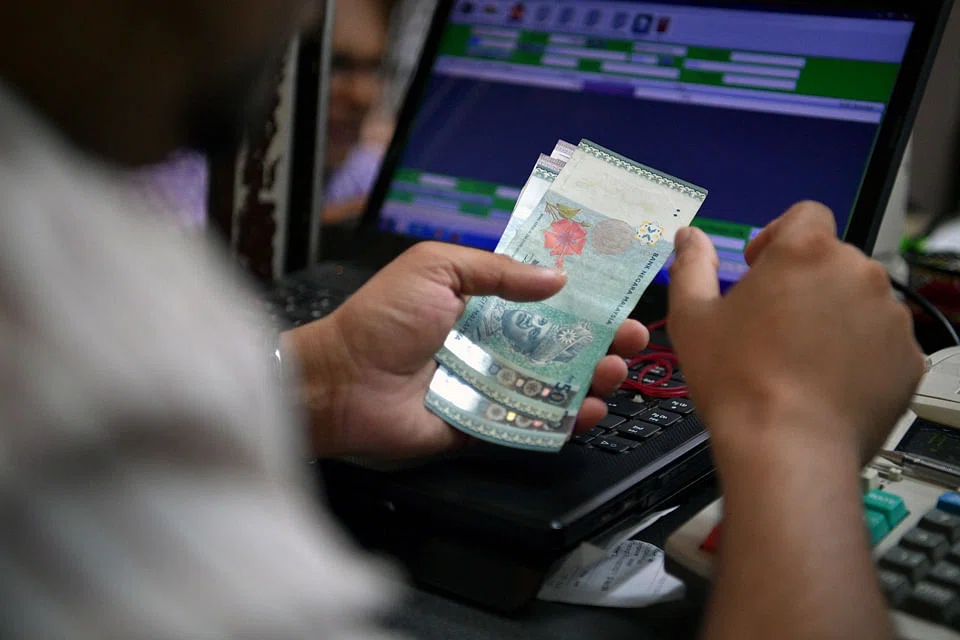
THE ringgit will likely continue to weaken against the greenback next year even as Malaysia's economy recovers, with the currency's outlook hurt by a more hawkish US Federal Reserve, analysts said.
The ringgit is forecast by Fitch Solutions to trade at an average of 4.20 per US dollar in 2022, down from an average of 4.15 this year.
DBS Group Research expects the Malaysian currency to reach 4.32 per dollar at the end of 2022, weakening further from its end-2021 projection of 4.20.
"The long-term outlook for the ringgit has worsened slightly given the hawkish tilts in major central banks around the world, although significant downside will be contained by the ringgit's undervaluation in the real effective exchange rate terms and stronger economic activity in 2022," Fitch Solutions said in a recent report.
Malaysia's economy is showing signs of recovery in the final quarter after a turbulent 2021 that saw the worst of its Covid-19 outbreak coincide with political turmoil, culminating in the shock resignation of former prime minister Muhyiddin Yassin in August.
Since then, the rapid installation of a new government has helped stabilise the political situation somewhat.
A vaccination rate of 78.1 per cent also allowed many business activities to resume, paving the way for gradual border reopening with Singapore beginning in late-November.
Malaysia has seen its new daily Covid-19 infections fall steadily in the last couple of months, from the last peak in end-August. To date, more than 2.71 million people have been infected, with just over 31,000 deaths.
The Malaysian government is currently in talks with Thailand and Indonesia to reopen borders too, said Minister in the Prime Minister's Department (Economy) Mustapa Mohamed said last week.
He added that Malaysia's economy is expected to rebound in 2022 as activities in the manufacturing, services and agriculture sectors have picked up, while the oil and gas industry also improved slightly in recent months.
Mustapa said Malaysia foresees a revival in both domestic investment and consumption. He said the government remained optimistic with its official forecast of 5.5 per cent to 6.5 per cent growth next year, although international borders that remain closed make it difficult to achieve a full economic recovery.
Despite Malaysia's brightening economic prospects, the outlook of the ringgit will hinge on the pace at which the Fed withdraws asset purchases and raises interest rates, analysts said.
The ringgit, along with the Indonesian rupiah and Philippines peso, lost ground this year in the face of dollar strength, but the scale of depreciation is measured compared to regional underperformers such as the Thai baht and South Korean won, DBS said in a report.
Any depreciatory pressure in the ringgit will be mitigated by the projected interest rate hike by the Malaysian central bank, said Fitch, which expects Bank Negara Malaysia to raise the benchmark overnight policy rate (OPR) by a total of 50 basis points next year.
Malaysia has left the OPR at a record low of 1.75 per cent in 2021. Inflation, as measured by the consumer price index, rose 2.9 per cent in October from a year ago.
Against the Singapore dollar, the ringgit will likely remain flattish over the next few quarters to trade within the range of 3.06 to 3.13, said Saktiandi Supaat, head of FX research and strategy at Maybank Group.
"The flattish profile for the Sing dollar/ringgit largely reflects our view that both currencies are partly exposed to the same set of risk drivers as the global economy attempts to recover from the pandemic in the next several quarters," Saktiandi told The Business Times.
"Both currencies softened modestly alongside reports of Omicron, and could recover somewhat as Omicron risks recede. Both economies have tight trade linkages with China, and both the Sing dollar and ringgit show significant co-movement with the yuan."
While the ringgit may benefit to a larger extent from a benign oil outlook, the currency has historically tended to see modestly larger drags from US monetary policy tightening compared to the Singapore dollar, he said.
The possibility of earlier monetary policy normalisation by the Monetary Authority of Singapore relative to Bank Negara Malaysia in 2022 may also induce modest upside potential in the Singapore dollar against the ringgit, he added.