Rising Singapore-Johor activity rekindles property prospects in Malaysia’s southern tip
Higher take-up rate of recent property launches in Johor Bahru underscore renewed investor confidence, say industry watchers

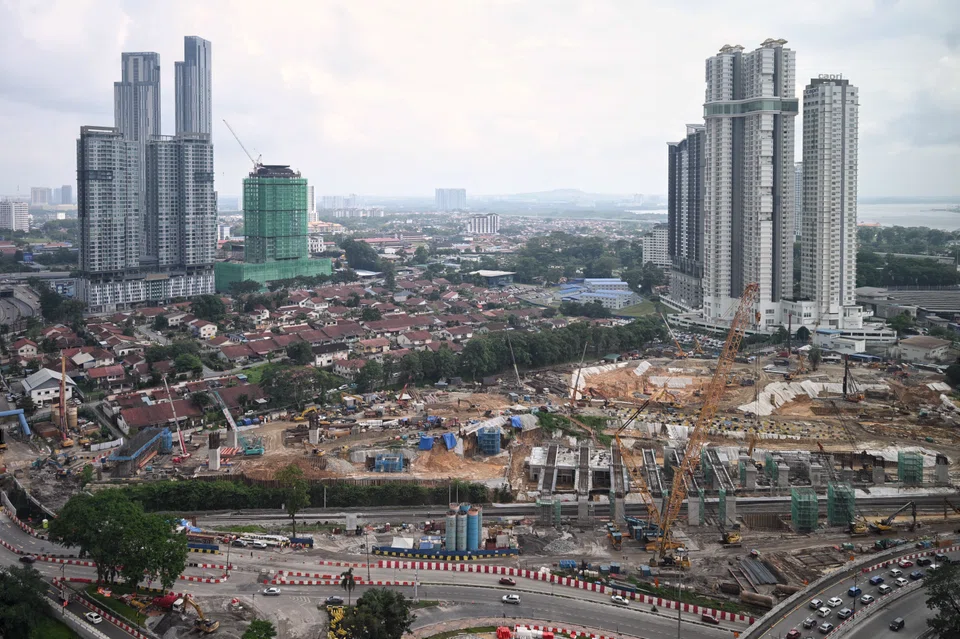
[KUALA LUMPUR] Johor Bahru is back on the radar of property investors, in anticipation of a surge in prices and rental demand, as new catalysts emerge from the ratcheting up of business activity between Johor and Singapore.
Samuel Tan, a JB-based veteran property consultant, said of late, there has been a marked improvement in investor confidence in Johor property. He attributed this to robust development in the manufacturing sector – the state’s key economic driver – noting that many investors are planning to relocate or expand their operations in Malaysia.
Recent property sales, especially for new launches in JB city centre, reflect this growing interest.
For example, the Oasis Residence, located at the heart of the city centre along Jalan Senyum, has already sold 58 per cent of its units since the launch in December last year.
The figure is higher than the country’s average rate of units sold nine months after the official launch of new projects, which is between 30 per cent and 35 per cent.
The upscale serviced apartment complex is developed by CTC Development Malaysia.
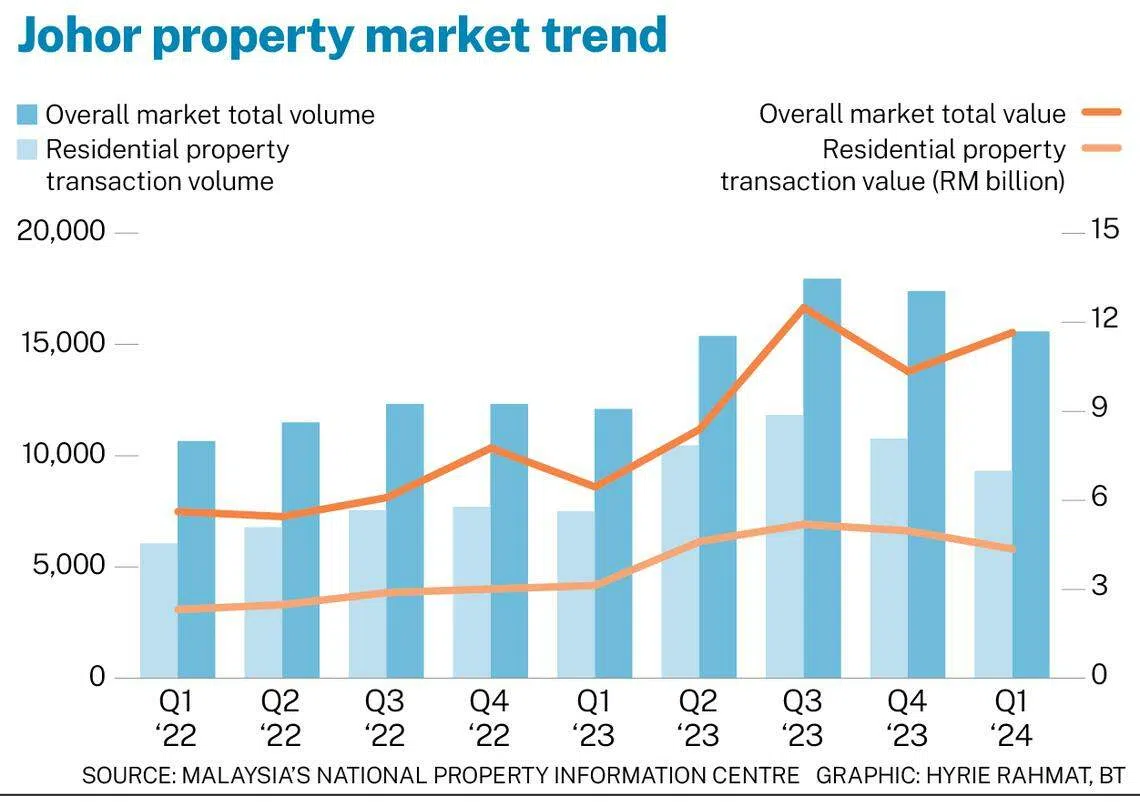
Certain well-developed suburbs in JB, according to property consultants, have seen asking prices for properties rise by 10 to 20 per cent compared to last year.
In addition, Jacky Ker, founder and managing director of Premier Plus Property Group, noted that rentals in popular JB locations have risen as high as 50 per cent as more Malaysians working in Singapore seek affordable rents in JB.
Buzzing economic activity
Johor is Malaysia’s third largest economic contributor by state; it contributed 9.4 per cent to the national gross domestic product in 2022. The key drivers of the state’s economy are the manufacturing and services sectors, contributing 48 per cent and 30 per cent, respectively, in 2022.
The manufacturing industry, in particular, has seen robust development with increased foreign investment and Singaporean companies setting up factories in JB, driving demand for properties, according to Tan.
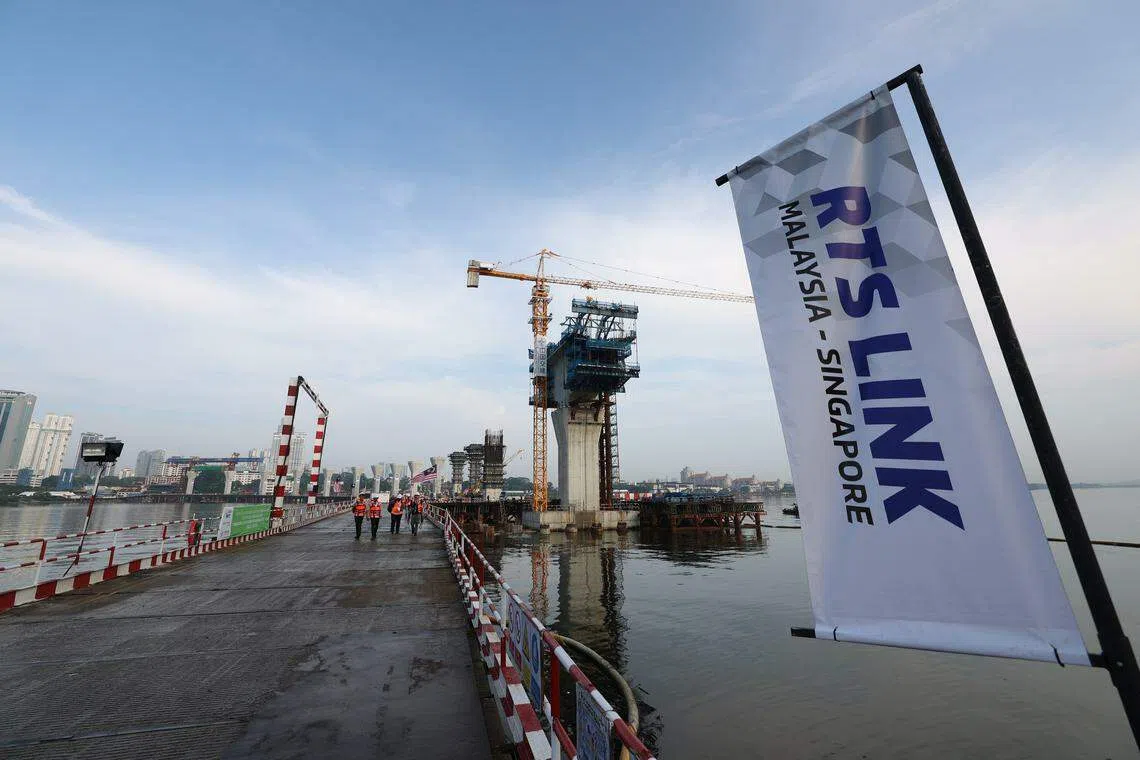
Recent catalysts for the revival of interest in JB’s real estate space include the upcoming JB-Singapore Rapid Transit System (RTS) Link and the establishment of Johor-Singapore Special Economic Zone (SEZ); rising foreign direct investment into Malaysia’s southernmost state is another driver.
Ker noted that many interested buyers have decided to make deals after the announcement of the RTS Link’s progress in January.
The 4 km railway development has reached 65 per cent completion as at Dec 2023 and is scheduled to commence operations by the end of 2026.
The rail shuttle service will have the capacity to transport up to 10,000 people per hour in each direction between Bukit Chagar in JB and Woodlands North in Singapore.
New launches near the RTS Link, such as Avenue Residences – a newly launched freehold residential development, just 4 km away from the upcoming RTS link – and Oasis Residence, are selling fast, according to analysts.
The high demand is also reflected in the selling prices, with Avenue Residences priced at an average of RM800 per square foot (psf) and Oasis Residence seeing sales of above RM1,000 psf.
After pondering on a purchase for months, Malaysian Kevin Wong took the plunge and bought a studio apartment that is a 15-minute drive from the RTS Link station.
The 435 square-foot unit cost RM370,000 (S$106,000). It is his second property purchase in the area, the first being a double-storey terrace house in Tebrau, a town about 14 km away from the JB city centre.
“I have heard of many bad experiences in property investment, and I was afraid. (But) I did a lot of homework before deciding,” said the 42-year-old account manager of a food ingredients supplier in JB. The apartment is due for completion by 2026. Wong plans to lease it out and is hopeful that the rental income will cover the monthly mortgage.
He enthused: “Now seems like a good time with bustling traffic, busy business activities and the weekend influx of tourists.”
Singdollar-to-ringgit appeal
Malaysians working in Singapore have also embraced the idea of buying a property across the Causeway.
The favourable exchange rate is one big sweetener. As at Tuesday (May 28), the ringgit was trading at RM3.48 against the Singapore dollar, having weakened by over 2 per cent in the past year.
The exchange rate has piqued the interest of Singapore-based Priscilla Chong and her husband as they hunt for a property in Malaysia. Being Malaysian citizens, they are not bound by the foreign purchase threshold of at least RM1 million (or RM2 million for landed houses).
“My husband and I travel to Kuala Lumpur and JB quite often and have noticed their robust tourism and business activities. We are considering buying a property in Malaysia for rental income and eventual sale when the value appreciates,” said the 36-year-old marketing executive from Muar who currently lives and works in Singapore.
With a budget of around RM400,000 to RM700,000, the couple is looking at condominiums in either JB or Kuala Lumpur that have good rental prospects.
Suburban bliss
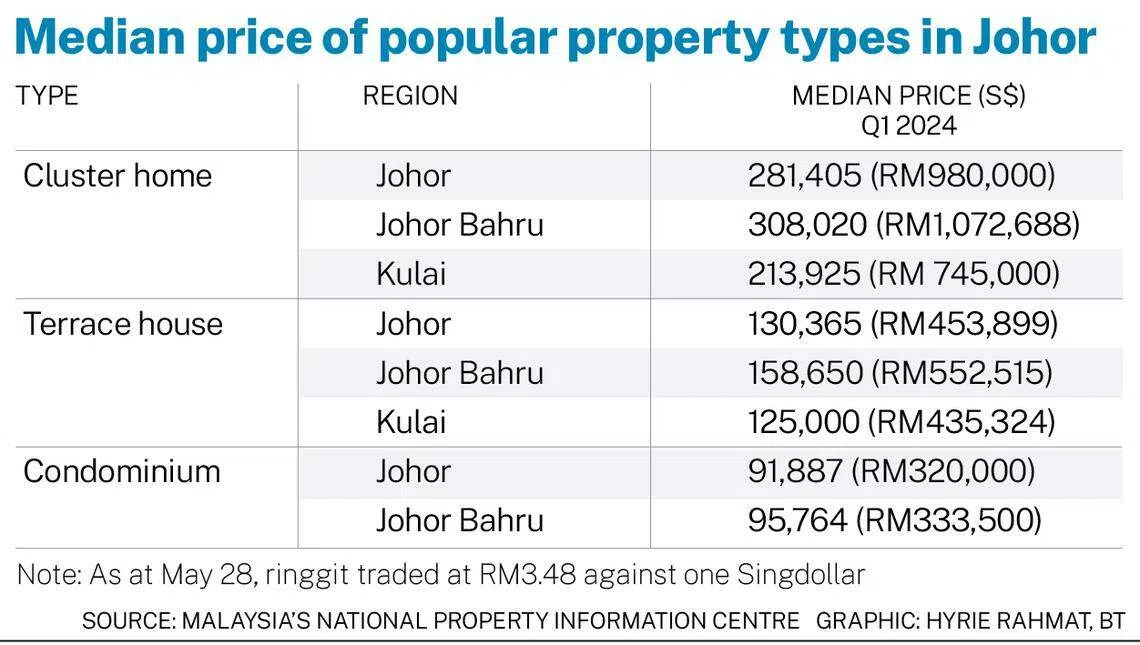
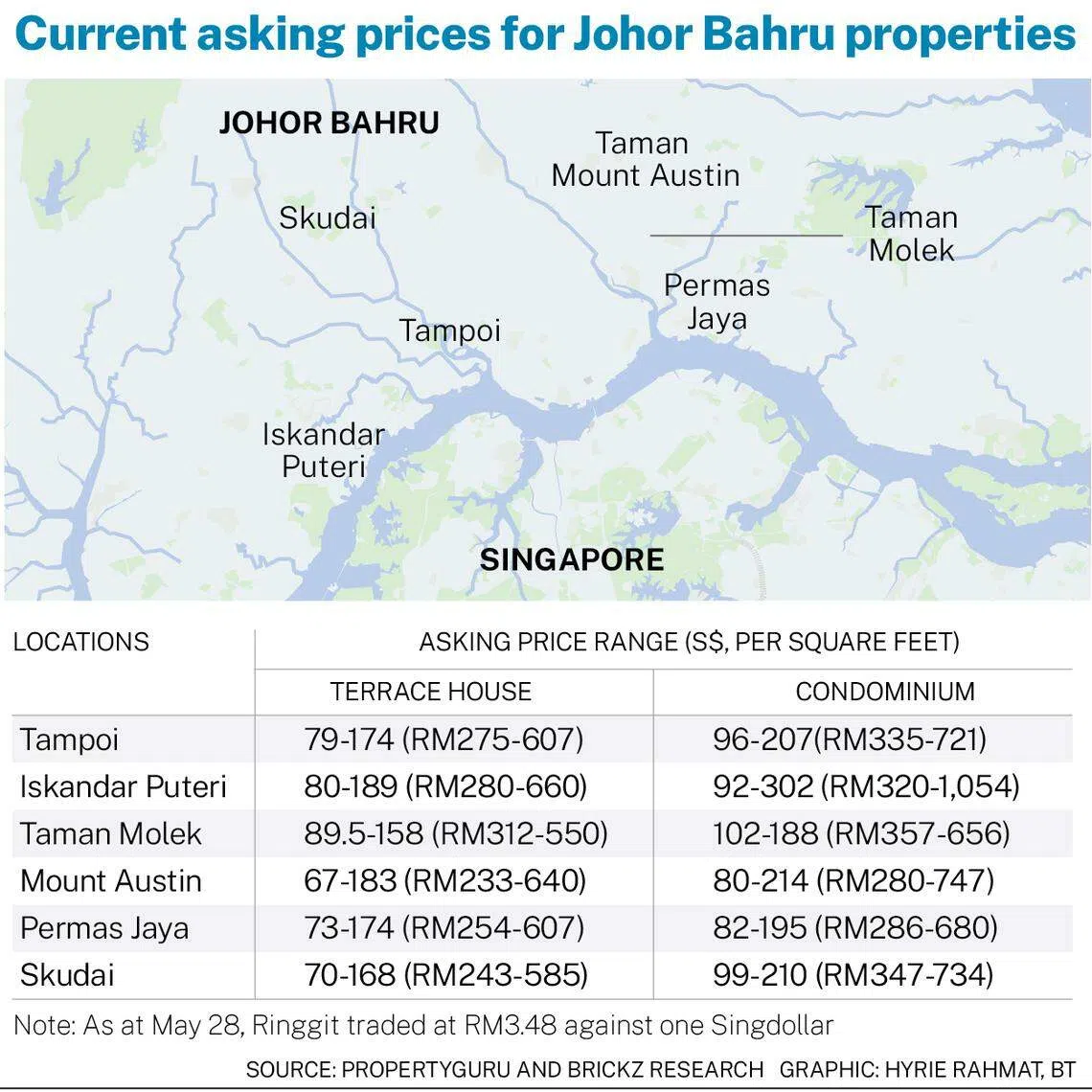
Ker noted that the demand for residential properties in well-developed suburb areas, such as Taman Johor Jaya, Taman Molek and Tebrau, are also drawing more enquiries on the back of higher business activity in the manufacturing and services industries.
The average asking prices for a three-bedroom terraced house in Taman Sri Tebrau has increased 10 per cent to RM648,000 in May this year, from RM588,000 a year earlier, according to the data from a property listing platform.
Rentals are robust too. “We observed a 40 to 50 per cent increase in monthly asking rents this year compared to last year. For example, studio apartments in suburban areas now rent for RM1,500 to RM1,700, up from RM1,000 last year,” he added.
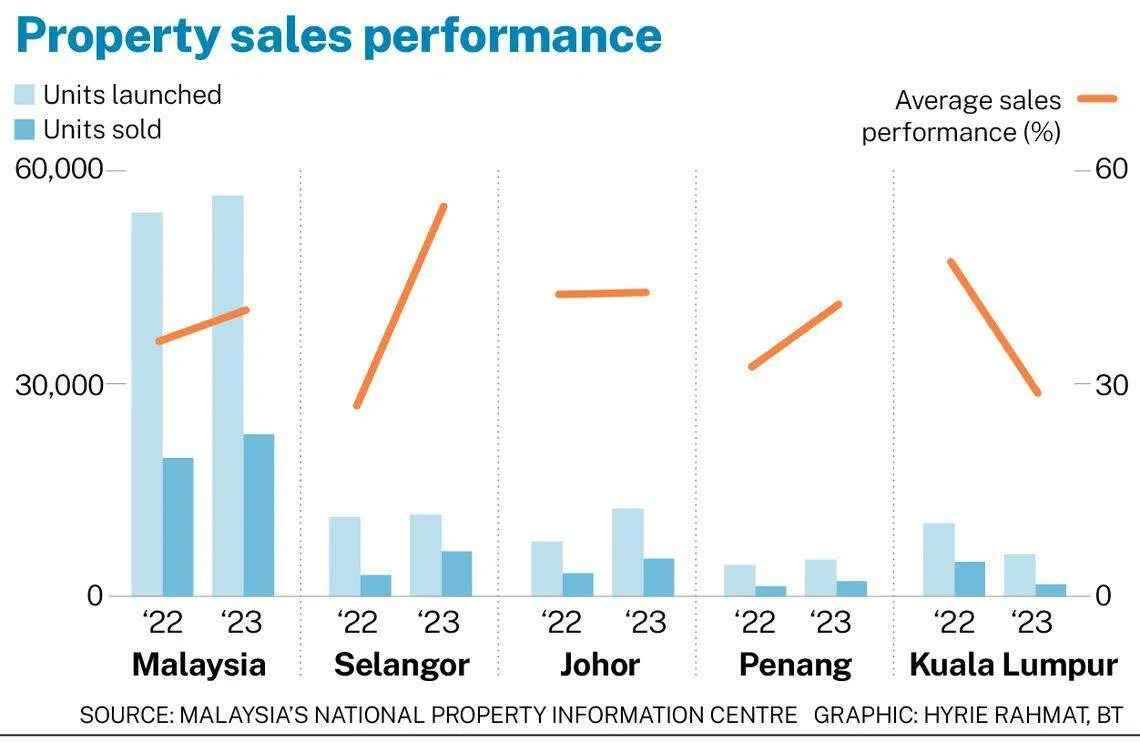
Despite growing investment interest, there are some red flags. Long-time investors in Johor property know these only too well.
For one, the state has one of the highest number of overhang properties, in particular serviced apartments. This despite the fact that the supply glut has improved somewhat and is no longer in “critical” state, as Tan puts it.
The number of overhang properties in Johor decreased by 14 per cent, from 4,228 units in 2023 to 3,629 units in the first quarter of 2024, according to data from the National Property Information Centre.
The changing rules could prove to be challenging as well. Johor’s Chief Minister Onn Hafiz Ghazi has proposed policies to control price spikes and prevent overheating in the property market.