



Rupiah may sink past record low as fiscal woes erode BI support
The central bank is expected to keep its policy rate unchanged when it meets on Wednesday to anchor the currency
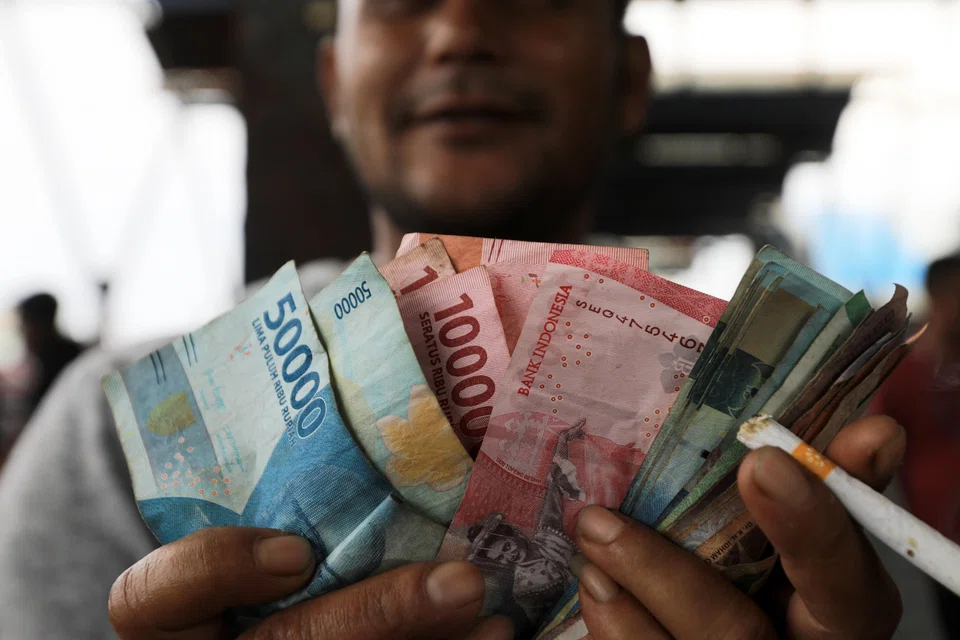
[JAKARTA] Indonesia’s rupiah looks poised to weaken past a record low, analysts say, with central bank intervention unlikely to halt the slide amid persistent fiscal worries.
The currency may depreciate to 17,000 per US dollar within the first three months of the year, according to MUFG Bank. Analysts at Barclays see the rupiah potentially trading as low as 17,300 this year. The currency fell for a second consecutive week.
Concerns over the country’s fiscal health have reemerged after it was revealed on Jan 8 that last year’s budget shortfall neared a legal limit, while revenue collection remained weak. That’s added pressure on the rupiah, leaving it just 0.4 per cent away from an all-time low seen in April.
“Investors are still pretty much concerned about the fiscal outlook for this year,” said Lloyd Chan, a currency strategist at MUFG. While Bank Indonesia (BI) is intervening to manage volatility, “there are quite a lot of constraints on the policy side”, he said.
The central bank has regularly defended the rupiah, most recently on Wednesday, though analysts said Bank Indonesia’s likely tolerance for a modest weakening of the currency may limit the effectiveness of intervention. The rupiah has dropped more than 1 per cent this month, making it the worst performer in Asia after the South Korean won.
Markets reopen on Monday after a public holiday on Friday.
The central bank is expected to keep its policy rate unchanged when it meets on Wednesday to anchor the currency. Bank Indonesia has been deploying a range of tools to cushion the rupiah’s slide, including adjusting its bills issuances, intervening in the foreign-exchange markets and buying government bonds in the secondary market.
The government’s plan for tighter control over exporters’ foreign-exchange earnings would provide a buffer for the rupiah, according to Shier Lee Lim, lead currency and macro strategist at Convera Singapore.
Still, analysts have voiced concerns that this year’s fiscal deficit may widen beyond the legal limit of 3 per cent as the government seeks to boost spending amid sluggish tax revenue collection. The central bank’s inclination towards lowering interest rates later in the year to support President Prabowo Subianto’s pro-growth agenda would also likely weigh on the currency.




“We see greater medium-term risks that the government will attempt to embark on relatively unorthodox policies which could fuel more bearish rupiah sentiment,” Barclays analysts, including Themistoklis Fiotakis, wrote in a note last week, referring to the 3 per cent legal limit for fiscal deficit. BLOOMBERG
Decoding Asia newsletter: your guide to navigating Asia in a new global order. Sign up here to get Decoding Asia newsletter. Delivered to your inbox. Free.
Share with us your feedback on BT's products and services

