



Sapura Energy’s fall from Malaysia’s oil and gas powerhouse to a debt-laden giant
The company is now clinging to a government rescue package for survival

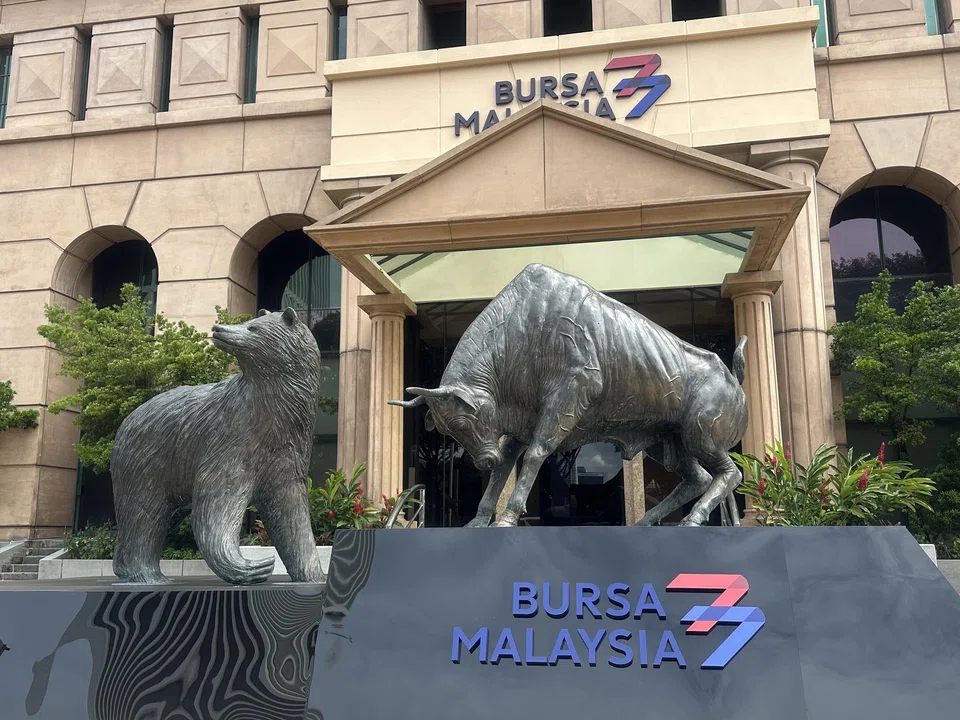
[KUALA LUMPUR] Once a crown jewel in Malaysia’s oil and gas sector, Sapura Energy is now teetering on the edge of collapse.
It came into being as a result of a high-profile merger brought together by two prominent tycoons, Shahril Shamsuddin and Dr Mahathir Mohamad’s son Mokhzani Mahathir, more than a decade ago.
But the Malaysian-listed company, which counts Permodalan Nasional Bhd (PNB) – one of the country’s largest state-owned fund managers – as its largest shareholder, is now drowning in billions of dollars in debt. Job orders have dried up amid expectations of softer oil prices, weighed down by sluggish demand and global uncertainties.
Instead of securing lucrative contracts and competing on the global stage, as envisioned by the nearly RM12 billion merger that created the oil and gas powerhouse in 2012, Sapura Energy is now clinging to a rescue package from the government for survival.
The company is a shadow of its former self these days, with its shares languishing at a mere RM0.045 apiece – a stark contrast to their RM4.94 peak in December 2013, when optimism ran high that its strong connections would help it secure lucrative offshore contracts from state oil giant Petronas. (*see amendment note)
On Mar 11, Sapura Energy announced that it had secured a RM1.1 billion (S$331 million) bailout from the Malaysian government, with the funds channelled through the Minister of Finance’s special-purpose vehicle, Malaysia Development Holding, via a subscription of the company’s convertible loan stocks.
In critics’ cross-hairs
PNB has said that the funds will directly and only be used to repay local vendors and will not benefit any shareholders of Sapura Energy or financial creditors.
Critics have slammed the move as a “bailout”, questioning why a company with RM16 billion in liabilities is receiving public funds without a forensic audit, while opposition lawmakers and market watchers have demanded clarity on whether the funding had Cabinet approval.
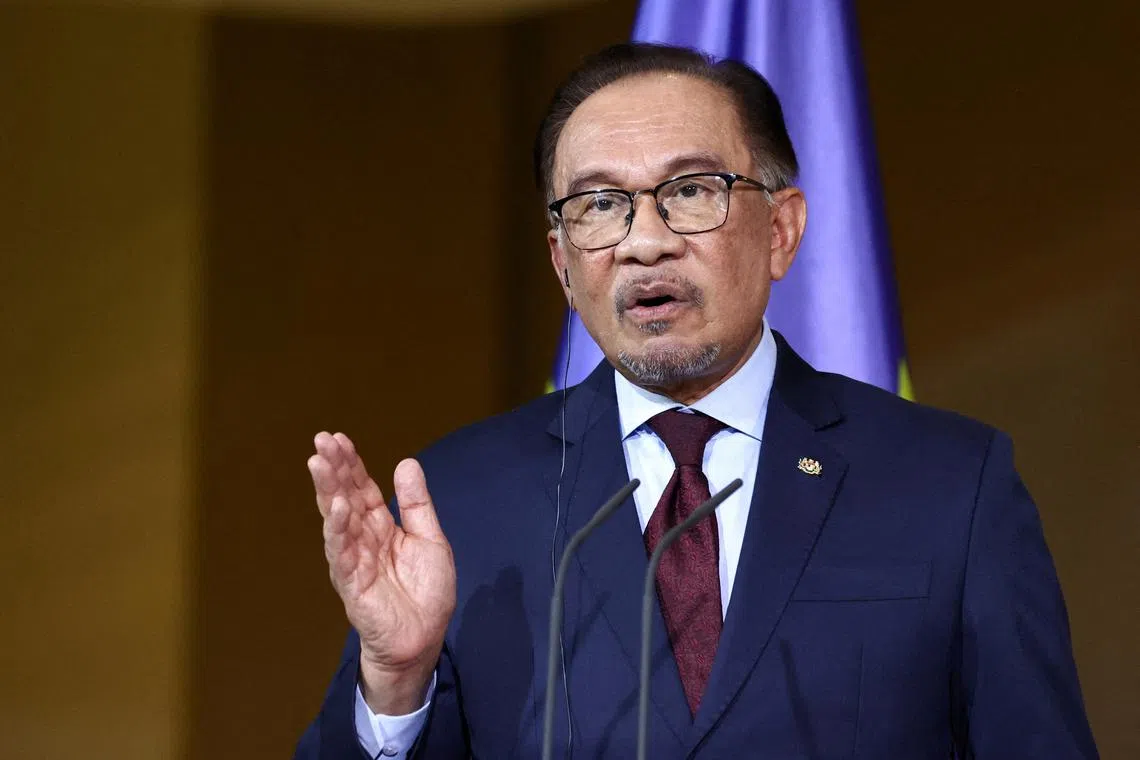
Prime Minister and Finance Minister Anwar Ibrahim defended the move, insisting that the funds were directed not at Sapura Energy itself but at its vendors, many of which are bumiputera small and medium-sized enterprises (SMEs).
“We did not give a single sen to Sapura Energy itself – this is for the 2,000 vendors who have contributed to the industry. Why should they be punished?” said Anwar last week in response to media queries.
The lifeline comes with conditions, including the resignation of the current chairman and senior management, who will be replaced with a new leadership team.
The Malaysian Anti-Corruption Commission (MACC) has since launched an investigation into the alleged misappropriation of funds at Sapura Energy, focusing on activities around 2018 when the company was known as SapuraKencana Petroleum.
On Mar 17, Sapura Energy said that the company has not been contacted by the MACC regarding these investigations, but that it will cooperate and provide all necessary information for the investigation.
“As a responsible, publicly listed entity, we uphold the highest standards of corporate governance, transparency, and integrity in all our operations,” it stated.
Once the biggest merger
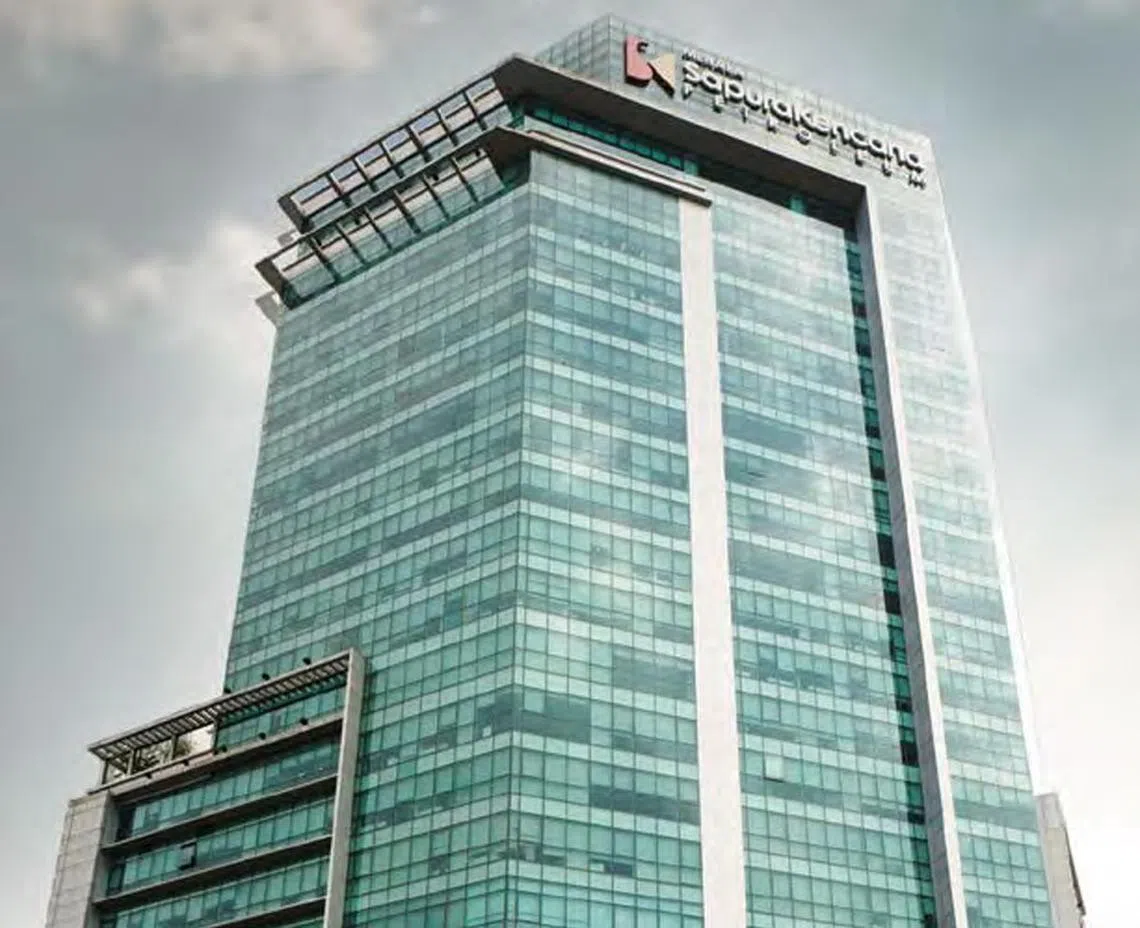
Before its rebranding as Sapura Energy on Mar 24, 2017, the oil and gas giant was known as SapuraKencana Petroleum. It was formed through the merger of two industry movers and shakers: SapuraCrest Petroleum controlled by Shahril and Mokhzani-led Kencana Petroleum.
Kencana Petroleum was born from Mokhzani’s investment in Hin Loon Engineering (HLE), a firm founded in the early 80s by oil and gas veteran Chong Hin Loon. A former petroleum engineer, Mokhzani stepped into HLE in 2001, transforming the company into Kencana Petroleum and setting the stage for its rise in the industry.
SapuraCrest Petroleum emerged from the Sapura Group, founded in 1975 by Shamsuddin Abdul Kadir, who initially built it as a telecommunications firm before expanding into oil and gas. In a personal tribute, he named the company after his wife, Siti Sapura.

His son Shahril later took the helm of SapuraCrest and, following the 2012 merger, led SapuraKencana (which later became Sapura Energy) before stepping down as president and group chief executive officer in 2021. He had been in charge for 25 years, including his early years in SapuraCrest.
The nearly RM12 billion entity created from the merger became Malaysia’s largest oil and gas service provider. It offered integrated services, covering 90 per cent of the oilfield services value chain, and was ranked among the world’s top five oil and gas service companies by asset value.
While the merger was initially touted as a coming together of equals, a power shift in 2013 saw SapuraKencana’s leadership exit, leaving the company under Shahril’s control. A key turning point was the death of Chong in October 2013 at the age of 65. He had been serving as executive director and executive vice-president of fabrication, hook-up, and commissioning.

In 2015, Mokhzani and a close associate, SapuraKencana’s non-executive director Yeow Kheng Chew, also resigned, reducing their stakes in the company.
Another contentious issue was Shahril’s remuneration. His pay skyrocketed from RM5 million in the 2013 financial year to RM81.4 million in 2014, even as SapuraKencana embarked on major acquisitions that stretched its balance sheet – just before crude oil prices crashed.
His compensation remained a sore point for shareholders, including the Employees Provident Fund, especially when the company posted losses. In FY2018, Shahril received RM55 million in bonus payments and RM16.6 million in salary and other emoluments.
Since Shahril’s departure as group CEO in 2021, Sapura Energy has seen a rapid turnover in leadership. Former Petronas upstream chief Mohd Anuar Taib took the helm but exited in December 2024, followed by chairman Mohammad Azlan Abdullah, who resigned in January 2025.
Too big to fail?
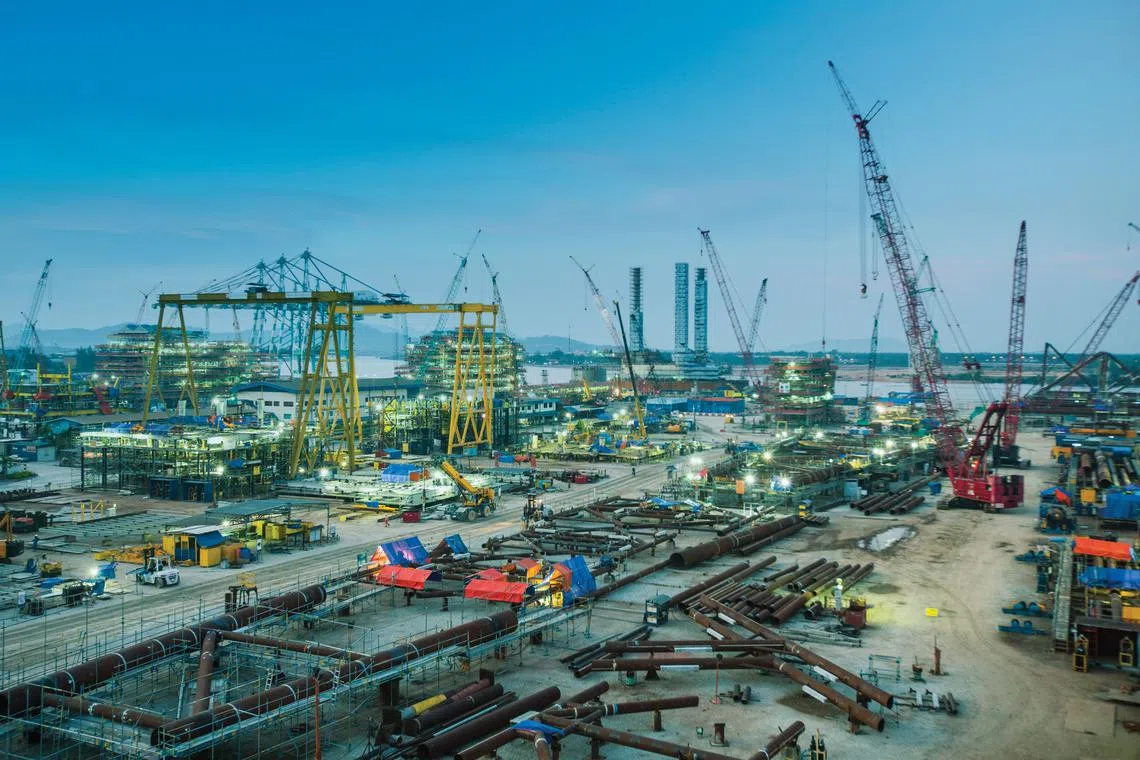
Sapura Energy’s financial troubles threaten more than just its survival – they could disrupt Malaysia’s entire oil and gas ecosystem. The company is deeply entrenched in the industry, having awarded RM7.3 billion in contracts over the past five years, with 80 per cent going to bumiputera enterprises. This network supports 59,000 jobs, and a collapse would send shockwaves through businesses and the broader job market.
The company’s turmoil also poses a serious risk to Malaysia’s financial system. The company holds RM4 billion linked to PNB and carries over RM10 billion in local bank loans. A default could trigger instability across financial institutions and government-linked investment entities, even as its operations remain deeply tied to Malaysia’s control over its oil and gas resources.
But not everyone is convinced that Sapura Energy is “too big to fail”.
Economics professor Wong Chin-Yoong from Universiti Tunku Abdul Rahman argues that there is no systemic risk involved.
“Payables to the thousands of sub-contractors can be satisfied by selling off assets,” he told The Business Times.
However, he acknowledged that oil fields are strategic national assets, which could justify government intervention.
“Given PNB’s assurance that the finance ministry’s investment will only proceed post-debt restructuring, I’m inclined to give them the benefit of the doubt. This could prove a profitable strategic move if successful,” added Prof Wong.
However, an anonymous analyst remarked: “It’s a ‘too big to fail’ case for a bumiputera company – a harsh fact that no one wants to admit publicly.
“Allowing Sapura Energy to collapse could trigger widespread job losses and economic uncertainty – outcomes the government is keen to avoid.”
The road to recovery
The RM1.1 billion investment is only part of a broader restructuring effort. Sapura Energy and its 22 subsidiaries recently secured approval for a debt restructuring plan to address the more than RM10 billion owed to nine lenders under its multi-currency financing facilities, along with RM1.5 billion in outstanding trade creditor payments.
Pankajkumar Bipinchandra, managing director of Datametrics Research and Information Centre, said the funding will help Sapura address overdue payments to vendors.
“While it may take a while for the company to return to profitability, it is now set on the right path,” he added.
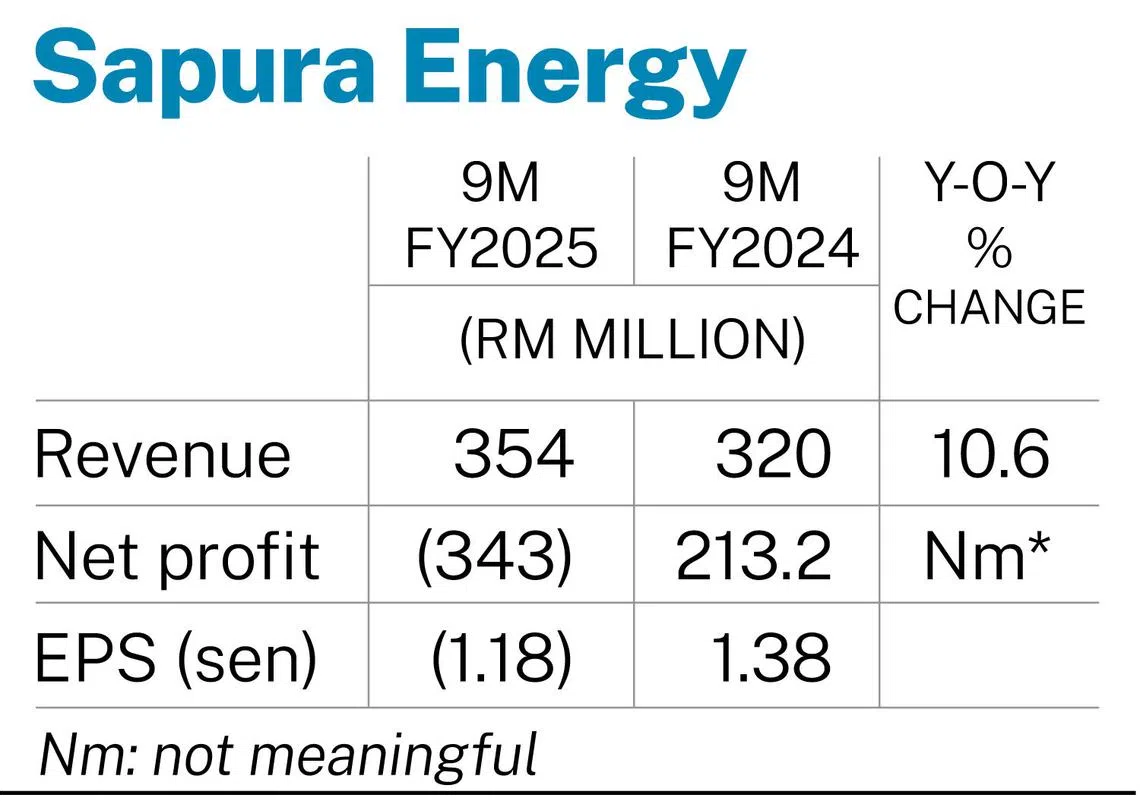
However, Sapura Energy still faces significant financial hurdles. For the first nine months of FY2025, the company posted a net loss of nearly RM343 million, as compared with the RM213.2 million net profit in the same period a year earlier.
As at October 2024, Sapura Energy’s borrowings stood at RM10.7 billion, with trade and other payables totalling nearly RM5.2 billion. Its total liabilities reached over RM17.5 billion.
The company’s order book stood at RM6 billion.
From powerhouse to crisis
Sapura Energy’s fall from a global oil and gas powerhouse to a debt-laden giant is a stark reminder of industry volatility. Once a rising star with operations in more than 20 countries, including in South-east Asia, South America, and Africa, it stood apart with its end-to-end services – from exploration and drilling to construction and installation.
At its peak, the company was the world’s largest owner and operator of tender rigs, drilling more than 400 wells per year. It employed approximately 13,000 people globally and played a critical role in Malaysia’s energy infrastructure.
Its financial troubles began to surface in the mid-2010s, as weak financial management, plunging oil prices, and excessive debt took their toll.
By 2018, as Sapura Energy’s losses deepened, its stock price went into free fall. Declared a distressed company under the Practice Note 17 status in 2022, it faced delisting without a rescue plan. In 2023, auditor EY raised doubts about its survival.
Now, following the Mar 13 court-approved debt restructuring, the company is holding on to what could be its last chance to pull through.
*Amendment note: Correction on share prices.
TRENDING NOW

Britain’s mansion tax shows the difficulty of targeting wealth

Once staunchly pro-China, Malaysian Chinese businesses are now distancing themselves from Beijing

The only common thing in S-E Asia is that we all eat rice: Cisco’s Asean president
Singapore data centre operator DayOne opts for US IPO at likely US$20 billion valuation

