



Saturation of malls in Malaysia’s Klang Valley as more join the fray
The Exchange TRX is among flashy new entrants trying to compete for consumers’ wallets
Tan Ai Leng
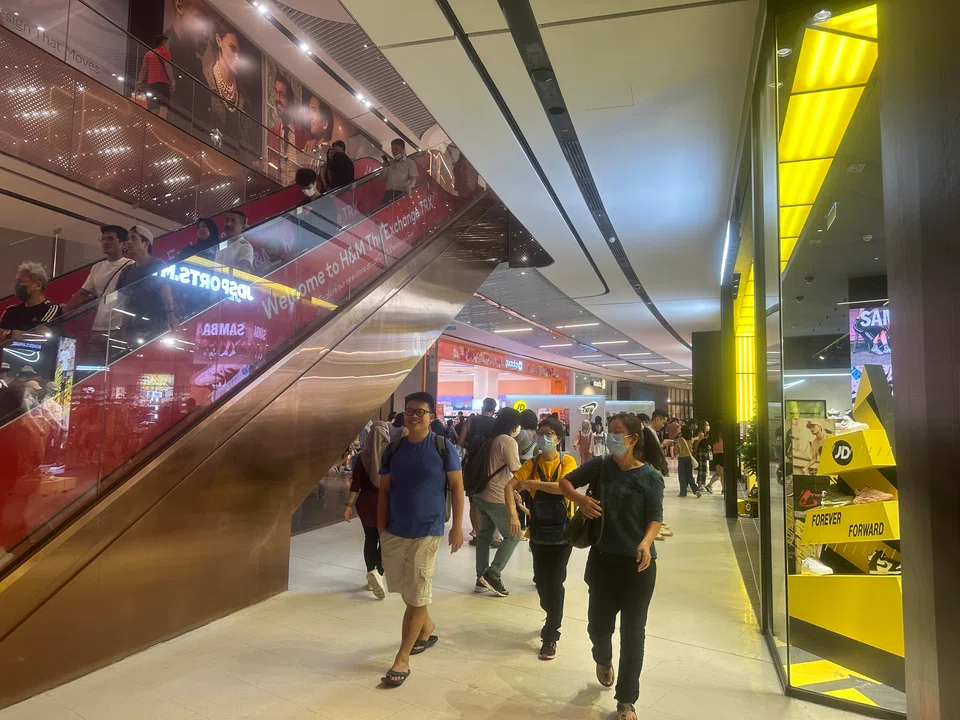
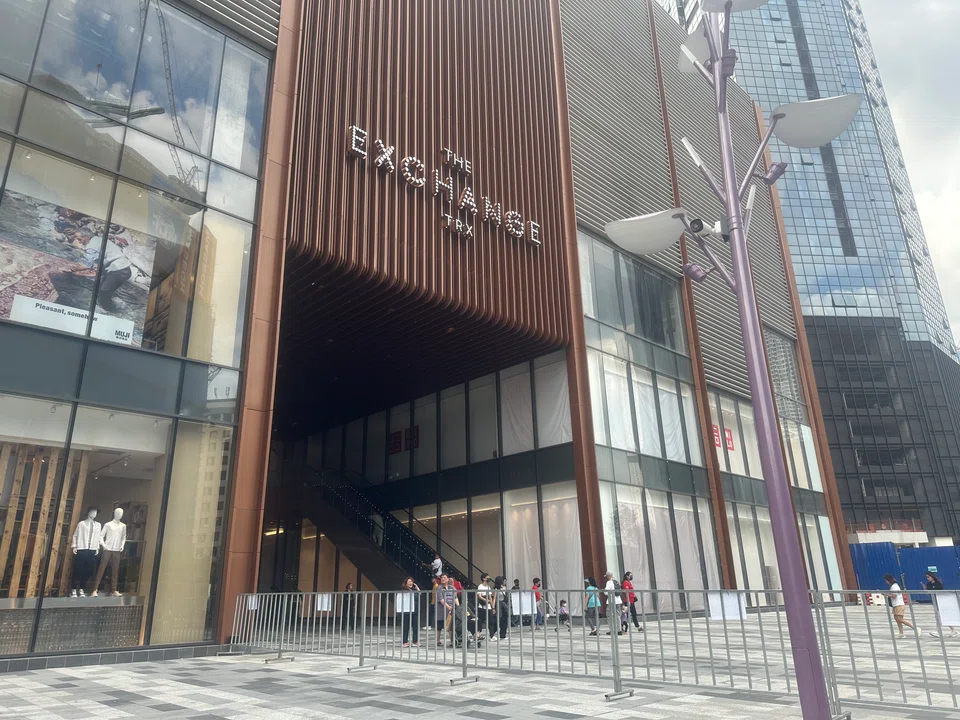
[KUALA LUMPUR] When The Exchange TRX opened in Malaysia’s new international financial district in Kuala Lumpur last November, the mega-development became the latest mall to compete for the attention – and wallets – of shoppers in the country’s capital.
According to one count, there are more than 200 malls big and small in the Klang Valley area, with more under construction and set to open this year and the next.
Klang Valley, which has an estimated population of nine million, is an urban area comprising Kuala Lumpur and its suburbs and adjoining cities in the state of Selangor.
There is about 70 million square feet (sq ft) of retail space in Klang Valley – roughly the size of 1,200 standard football fields – and the industry is growing increasingly saturated, observers say.
The Exchange TRX is jointly developed by Australia’s Lendlease and Malaysia’s Finance Ministry-owned company TRX City. It has over 400 stores spread across 1.3 million sq ft, and it includes luxury brands such as Chanel and the first Apple flagship store in Malaysia.
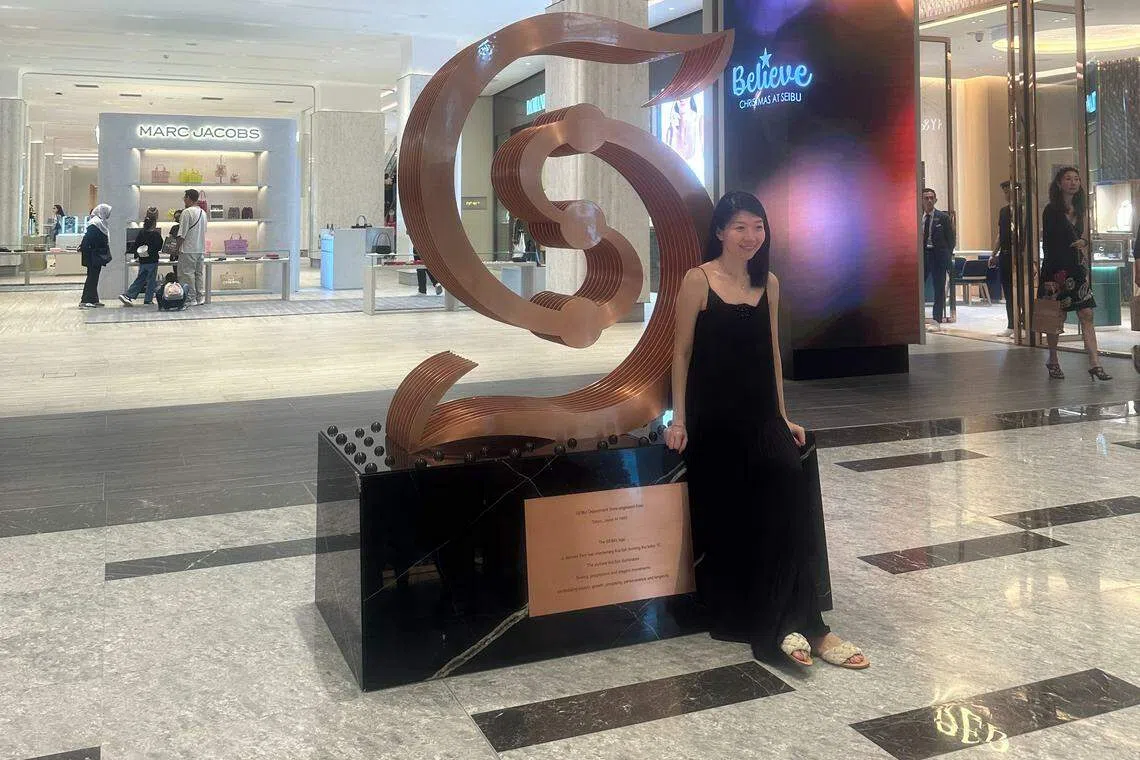
The Exchange TRX also houses Japanese department store Seibu’s first branch in Malaysia, occupying four floors of the mall, with products from more than 700 Japanese and international brands on sale.
Fierce competition
Market observers said operators and owners of retail malls in Klang Valley are locked in a fierce competition to lure shoppers and tenants.
There is at least one mall located within a 5 km radius of any location in the area. For instance, Pavilion – one of the most popular malls in Malaysia – has three branches in Kuala Lumpur and the distance between two of them is just 10 km.
According to a report by Knight Frank Malaysia, there are at least three malls with a total retail space of 1.7 million sq ft scheduled to open in Klang Valley in 2024.
The new additions include the 118 Mall in Kuala Lumpur; the second phase of Pavilion Damansara Heights in the affluent Bukit Damansara neighbourhood; and Elmina Lakeside Mall in Shah Alam.
Malls in Klang Valley have an average occupancy rate of 82 per cent.
Daniel Ma, deputy managing director of property consulting firm Nawawi Tie, said the more popular malls have higher rates of above 90 per cent, with some even fully occupied with a long waiting list of potential tenants.
Other smaller malls or those located in less prime locations are struggling with low occupancy rates of around 50 per cent or lower.
The robust construction of retail malls, however, does not reflect the actual market demand, said market observers.
They told The Business Times that more developers are incorporating malls in their planning, especially for mixed and township developments, to attract property buyers.
Ma said that some developers hope to use the mall as their unique selling point, after seeing successful examples of how malls can be a catalyst for growth and vibrancy in the local economy.
He cited examples such as Mid Valley Megamall, Sunway Pyramid and IOI City Mall Putrajaya.
Murli Menon, Savills Malaysia’s director for retail services, echoed this view, although he felt that the continued opening of more malls would lead to some cannibalisation of footfall.
“(Those most affected) will be malls that are already on a weaker footing due to an unattractive tenant mix, an old-fashioned layout and a lack of ambience,” he said.
While an oversupply is part of the problem, another challenge facing malls is the fact that many have a similar tenant mix and the same brands. This likely dampened appeal among consumers, especially in attracting repeat visitors, said observers.
Jamie Tan, managing director of JLL Malaysia, observed that landlords with a strong portfolio of malls, such as real estate investment trusts (Reits) or developers focusing on retail assets, are more successful in managing their assets.
He listed the likes of Pavilion malls (managed by Pavilion Reit), Mid Valley Megamall and The Gardens Mall (managed by IGB Reit), and Sunway Pyramid (managed by Sunway Reit).
“They are able to establish strong relationships with retailers across their portfolios, often securing portfolio deals with tenants that encompass all their malls,” he noted.
“In addition, their strong branding and market presence also help to attract shoppers to their malls.”
TRENDING NOW
Stocks to watch: CapitaLand Ascott Trust, Keppel Infrastructure Trust, iFast, ESR Reit, First Sponsor

Indonesia says gas export cuts to Singapore remain within contract terms

If Europe goes to war, the fallout will be felt in East Asia

Government to bring forward raising of retirement age, give employers more financial support to create flexi-load jobs

