Sharp rise in fuel prices in Vietnam further compounds Covid-19 headaches for companies
Petrol prices at highest since September 2014, weighing hard on transport services, courier businesses, and delivery drivers
Hanoi
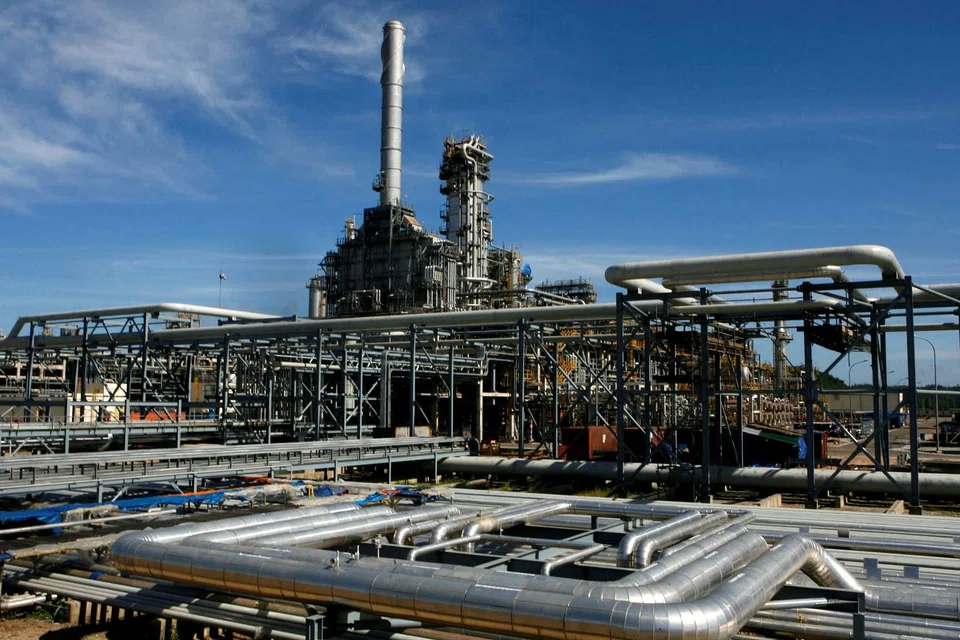
FUEL price rises in Vietnam are causing headaches for businesses across the country and further increases are expected in the coming months, said the Ministry of Industry and Trade.
This time last year, Vietnamese were paying around US$0.74 a litre for the popular fuel RON 95, said Trading Economics. However, that price has soared considerably to reach US$1.10 as of Feb 14. This is the highest since September 2014.
An ongoing global supply shortage coupled with stronger demand in the US is one of the key reasons behind the increase, observers said.
Bui Duc Dung, the founder and chief operating officer of Vietnam Transport Services (VTS), said the hikes are getting out of hand.
He said that the cost of fuel usually makes up around 20-30 per cent of the price of a typical airport transfer, but that is now up to 40 per cent - and even higher in some cases.
As it stands, VTS has had to reluctantly absorb these price rises.
"We are still charging the same rate because we seal the rate for the whole year. We sign contracts with local operators and international operators as well, so we cannot raise the price in the short term," he said.
Transport services were hit hard last year when borders closed to prevent the spread of Covid-19.
Dung said salaries have already been reduced and staff are sometimes doing the work of two or three people. This has left VTS with very little fat left to cut.
"The expenses for the operation go higher everyday, especially for petrol. It's going to be very hard for us," he said.
Courier businesses are also feeling the strain. A bumper year as a result of pandemic lockdowns, however, has put them in a better position to tackle the increasing costs.
That said, Trung Nguyen, the co-founder and chief executive officer of e-commerce delivery firm Loship, feels that the highly competitive nature of the e-commerce delivery industry makes it challenging to make up for the increased expenses.
"If we raise the delivery cost, obviously the customer has to pay for that. But if we increase the delivery costs, the customers will switch to another company who has a lower delivery cost," he said.
Loship's delivery drivers are currently absorbing the increased cost of fuel, but Nguyen said the company is offering bonus payments to help offset the price rises.
He also noted that this has not affected the recruitment of new drivers for now.
Petrol prices in Vietnam are determined by the Ministry of Finance and the Ministry of Industry and Trade.
This has made it difficult for service station operators who are unable to offset price rises in the wholesale cost of fuel by raising prices at the pump.
In some areas, the set retail price is up to US$0.04 lower than the wholesale purchase price. As a result, several gas station operators have closed their doors for good, further exacerbating the problem.
But not all logistics-oriented companies are feeling the strain.
E-commerce giant Lazada is one of the big players that said fuel prices are not that big of a concern.
"We do not expect significant impact from the increase in fuel prices on Lazada's logistics operations," a company spokesperson told The Business Times via e-mail.
They added that the company mitigates the impacts of fuel price rises through a focus on sustainability.
"As part of this strategy, we have continued to apply innovative technology to reduce fuel consumption and support sustainable developments."
But the reality on the ground for delivery drivers is somewhat more bleak, Loship's Nguyen said.
"At the end of the day, for Vietnamese, motorbikes and cars are money-earning tools.
"Even if the fuel price keeps going up, it doesn't change the fact that people still need to use their vehicles to deliver goods in order to make money."