Singapore-based biotech firm Entobel opens Asia’s largest insect protein factory in Vietnam
Jamille Tran
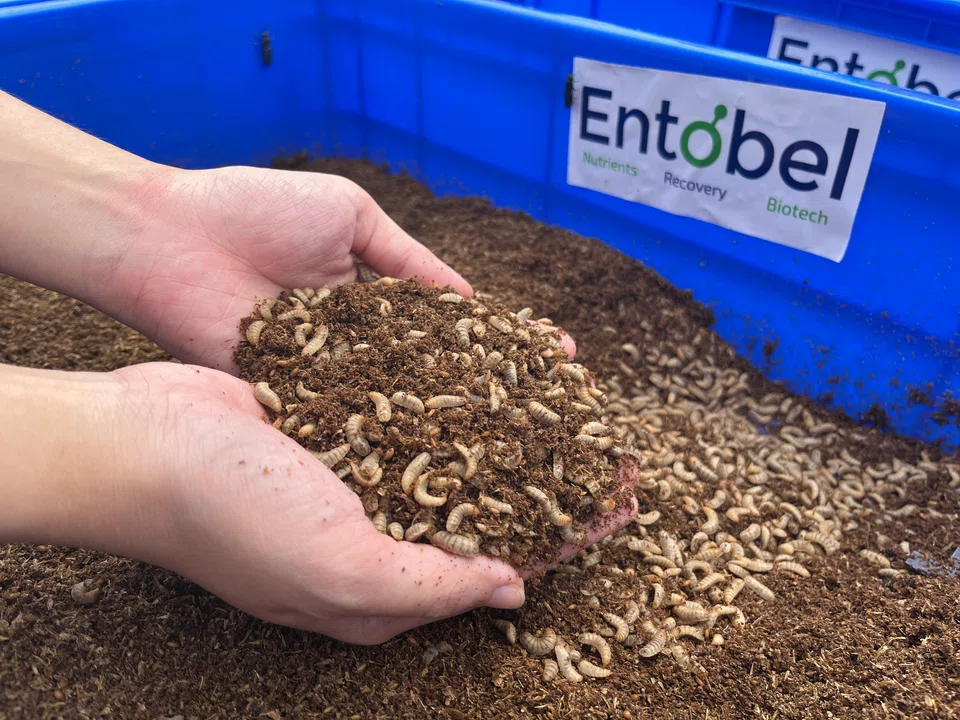
[HO CHI MINH CITY] A Singapore-based biotech company, Entobel, has opened a new insect protein production plant in Vietnam that it says is the largest of its kind in Asia.
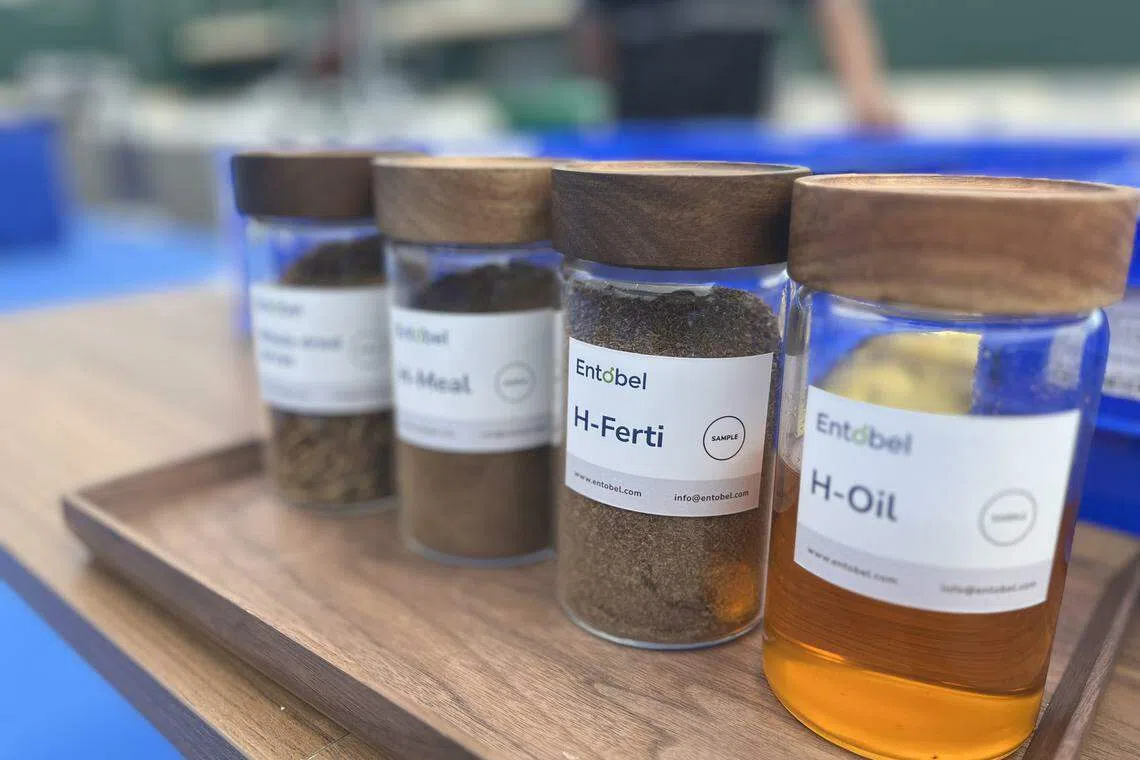
Entobel’s products include insect-derived protein, oil and organic soil amendment, which are consumed primarily by the aquaculture and agriculture industries.
The black soldier fly (BSF) production plant, located in Vung Tau – a port city and the capital of Ba Ria-Vung Tau province – can produce up to 10,000 tonnes of insect protein a year. To put that figure into context, one of Entobel’s rivals in this space, French insect farming startup Ynsect, opened the world’s largest insect farm in northern France in April 2023 – that facility can produce about 15,000 tonnes of mealworm protein a year.
Entobel’s Vung Tau plant, which opened last November, was constructed over a 12-month period and largely funded by a US$33 million Series B round in 2022, said co-founder and co-chief executive officer Gaetan Crielaard in a recent interview with The Business Times. That funding round was led by Mekong Capital, with participation from Dragon Capital and the International Finance Corporation.
Crielaard said that the investment into the new plant was “only half the market average” for the same production capacity. This, he explained, was largely due to the firm’s 10 years of research and development efforts and Vietnam’s tropical climate, which have helped it reduce capital and operational expenditures.
Entobel takes advantage of Vietnam’s typically hot and humid weather to rear BSFs on a commercial scale and in a cost-effective manner. It also harnesses the beer by-products from Heineken’s breweries in Vietnam as feedstock for insect production.
The Vung Tau plant – which Entobel has called “the world’s most capex-efficient BSF production facility” – is the company’s second industrial-scale production facility in Vietnam. It has a 10-fold annual production capacity, and the company said that the aim is for the plant to be profitable sometime in 2024.
Entobel’s first plant in Vietnam, in the southern province of Dong Nai, opened in 2019 and hit the operational break-even point last year, said Crielaard.
Growth opportunities
The edible insect market is expected to record a compound annual growth rate of 29 per cent from over 10 years from 2023, to reach US$16.39 billion by 2032, said Meticulous Research in a report.
The research company attributed this to factors including rising greenhouse gas emissions from the livestock and poultry industries; the high nutritional value of insects; the environmental benefits of edible insect consumption; and greater demand for insect protein in the animal feed industry.
Nguyen Ngo Vi Tam, CEO of Vinh Hoan Corporation, a Vietnam-based seafood processing company, said that global seafood distributors and retailers are increasingly taking into account the sustainability demands of their suppliers. This has pushed Vinh Hoan and other food producers to leverage technology and new solutions, in order to ensure compliance and to remain competitive.
Still, Tam noted that a key reason many fish producers and feed mills are still hesitant to make greater use of insect protein is its relatively high price point. “We hope that with the new facilities, Entobel can reach an efficiency level that allows it to offer a competitive enough price point for customers in the industry,” she added.
Vinh Hoan was one of Entobel’s early investors in 2021, and is currently conducting a trial project with the firm to rear fish fed on its insect protein. The trial could take up to 10 months, as time will be needed for the fingerlings – juvenile fish – to grow to their full size for assessment, said Tam. “After the trial, if the added values in terms of the fish’s health and growth rates are proven, I believe that paying a premium will be worth it.”
Expansion plans
One of Entobel’s efforts to enhance productivity and cut costs is to equip its facilities with technologies such as vertical rearing, automation via robotics, sensors, data analytics and selective breeding.
Alexandre de Caters, Entobel’s other co-founder and co-CEO, said: “A lot of companies in Europe have raised several hundred million euros. But almost none of them have been able to produce a decent volume at a competitive cost. This means that even if you have the money, you cannot just copy the technology. It requires time, as well as trial and error.”
With the Vung Tau facility up and running, the Entobel duo said that they envision being able to open 10 more factories of this type over the next decade. They are eyeing more sites in Vietnam, with plans to expand into Indonesia and Malaysia. This could allow the company to reach the profitability and impact levels needed for the mainstream application of insect meals in the global aquacultural and pet food industries, they said.
“Entobel cannot succeed alone. We need some of our competitors to also go to our level, because clients also want choice. They cannot just rely on one supplier,” explained Crielaard. “We need to make the (insect-farming) industry mainstream and standardised, and work together with our competitors to build and create awareness about these products.”