Soaring rice prices drive Indonesia’s inflation to 2.75% in February

INDONESIA’S inflation rate increased to 2.75 per cent in February, exceeding forecasts by economists, according to data by the country’s statistics bureau on Friday (Mar 1).
Core inflation, which excludes volatile items such as fuel, stood at 1.68 per cent, unchanged from the previous month.
While inflation has begun to show signs of slowing down in Indonesia, the volatile food prices have put pressure on South-east Asia’s largest economy.
Inflation in several categories within the food basket saw an increase in February, led by a significant rise in the prices of rice due to increases in the global market.
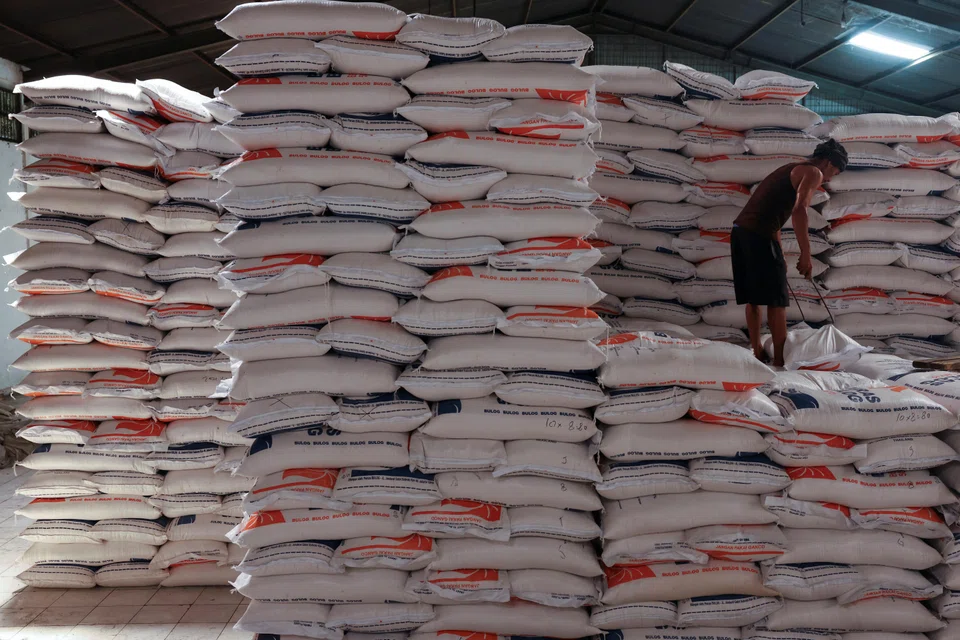
A staple for most of Indonesia’s 270 million people, rice prices have climbed more than 24 per cent since last year as the El Nino weather phenomenon has cut rainfall across large parts of the region in 2023.
The statistics agency said that low base effects were pushing up rice prices, adding that prices were “relatively low” in the first seven months of 2023.
This year in Indonesia, planting delays and a lack of rainfall have delayed the peak harvest by a month, with data showing a rice supply deficit of 1.63 million metric tons in January and 1.15 million in February.
David Sumual, the chief economist at Bank Central Asia, said rice prices were likely to remain high in the coming months.
“This situation is expected to persist in the first half of the year due to the effects of El Nino and India’s ban on certain rice exports, which have contributed to the increase in global rice prices,” he said.

He warned the authority to anticipate the rise in rice prices from early 2024 leading up to Ramadan and Eid al-Fitr, which falls between Mar 10 and Apr 9.
These months are traditionally associated with a surge in demand for rice, contributing to seasonal inflation concerns.
President Joko Widodo attempted to contain soaring rice prices by allocating an additional quota of 1.6 million tonnes of rice for import for this year, on top of the two million tonnes previously approved and in anticipation of lower domestic output in the January to March harvest. Indonesia imported 3.1 million tonnes of rice in 2023.
The government has set a target to produce 32 million tonnes of rice this year, up from 30.9 million tonnes in 2023, but production in the first few months of 2024 is expected to be disrupted by the impact of last year’s drought.
Euben Paracuelles, a senior analyst from Nomura, stated that the increase in imports is occurring amid high international rice prices, which could potentially widen Indonesia’s current account deficit (CAD).
Assuming prices remain at these levels for this year, he said the total rice import bill could reach US$ 2.3 billion (0.1 per cent of GDP), up from US$1.6 billion last year.
“We reiterate our forecast for the CAD to widen to 1.3 per cent of GDP from 0.1 per cent in 2023. Higher food imports alongside deteriorating terms-of-trade effects from lower commodity prices and still-weak external demand support our forecast,” he said.
In a recent note, UOB economist Enrico Tanuwidjaja said manageable inflation, rupiah stability, and Indonesia’s steady economic growth are the key factors for the central bank to maintain interest rates this year.
Decoding Asia newsletter: your guide to navigating Asia in a new global order. Sign up here to get Decoding Asia newsletter. Delivered to your inbox. Free.
Copyright SPH Media. All rights reserved.