



South-east Asia could emerge as clean energy heavyweight in global race to decarbonise

Anita Gabriel
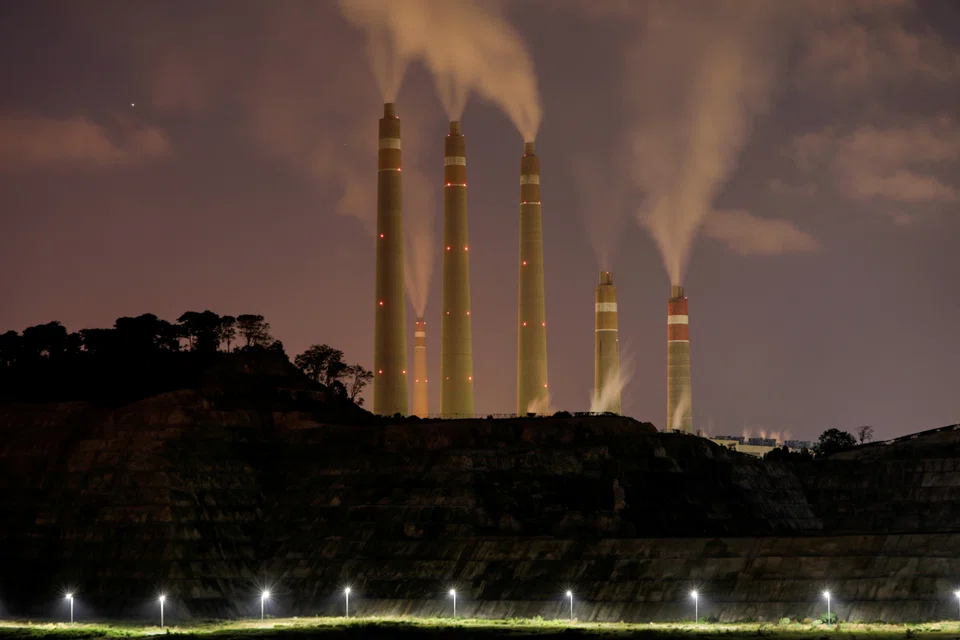
SOUTH-EAST Asia, once regarded as a “slow starter” relative to the advanced economies in the clean energy transition, has sharpened its act and could emerge as a heavyweight in this multi-faceted race over the next decade. But if the region really wants to swing the needle on decarbonisation efforts, it should pay just as much attention to retiring its polluting fossil-fired plants, say experts.
“It’s one thing to say a country will implement renewable energy, but it’s altogether different to say it will start to proactively retire the highest carbon-emitting power plants as early as possible. It’s better to do both things,” said Sharad Somani, KPMG Asia-Pacific’s partner and infrastructure head. The power sector accounts for around 40 per cent of the region’s energy-related emissions.
Among Asean nations, Indonesia, Malaysia and the Philippines have the highest shares of coal-based electricity while Singapore and Thailand have a high share of natural gas-based electricity, according to Maybank Investment Banking Group’s sustainability research head Jigar Shah. Coal and gas-fired power plants are the region’s key sources of electricity today.






