South-east Asia headed for economic shifts when rate cut ripples across region
But regional central banks may not cut rates as swiftly as Fed as they did not raise rates as aggressively

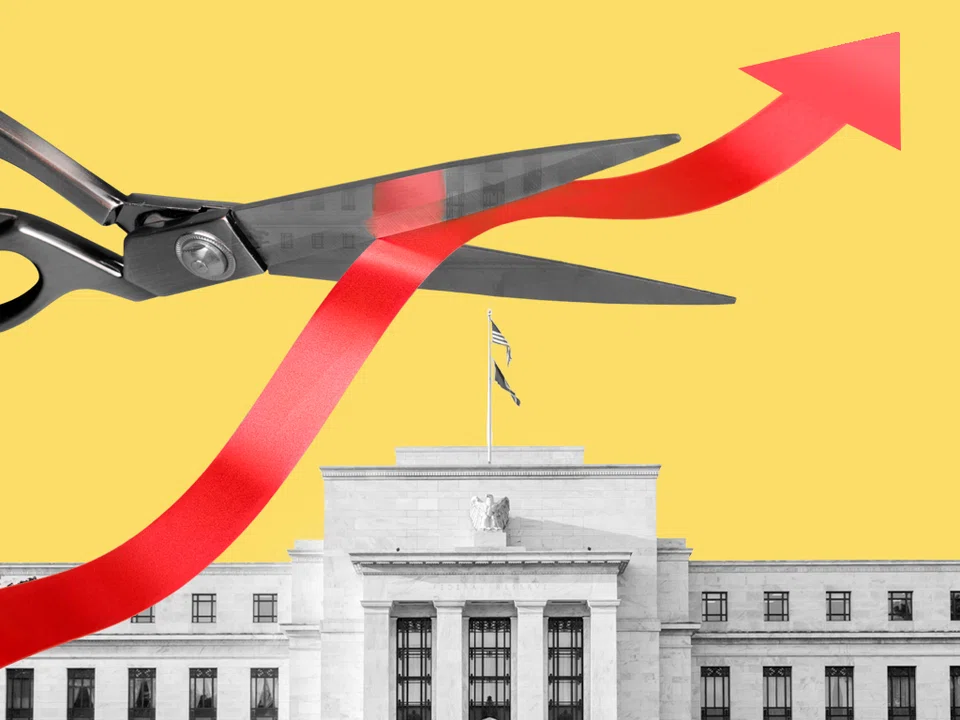
FIRST, the markets said June. Then it became July. September, specifically, this week, is now the order of the day.
Federal Reserve chair Jerome Powell all but sealed the deal for a rate cut this month with his “the time has come” statement at August’s Jackson Hole Symposium. The question now isn’t when anymore, but how deep.
Until August, South-east Asia’s major central banks, including those in Malaysia, Thailand, and Indonesia, held off on rate cuts, opting for a cautious approach to monetary policy. Mindful of currency stability amid the “higher-for-longer” narrative, they are awaiting the Fed’s next move while navigating global economic pressures and inflation.
As a result, countries like the Philippines are facing a 17-year-high benchmark interest rate of 6.5 per cent; Thailand’s rate has climbed to a decade-high of 2.5 per cent.
Pundits broadly expect South-east Asian central banks to begin their monetary easing cycle as soon as the Fed makes its first move, with regional policymakers looking to align with global trends. But the speed and scale of the rate cuts may be more measured.
Aidan Shevlin, head of international liquidity fund management at JP Morgan Asset Management, said: “While markets have quickly priced in multiple rate cuts as Asia-Pacific central banks are likely to follow the Fed’s path, it’s worth noting that regional central banks have not raised rates as aggressively as the Fed.
“Therefore, they are unlikely to cut rates as swiftly, leaving the pace and magnitude uncertain,” he cautioned.
Regional central banks are at different stages of the interest rate cycle. Such divergence, he remarked, is underpinned by “varying focuses on controlling inflation, supporting domestic growth and avoiding currency volatility, leading to cautious rather than urgent rate cuts”.
The Business Times maps out the economic terrain across South-east Asia, spotlighting the key factors – interest rates, economic growth, currency stability and inflation – that policymakers in each country will assess as they navigate the path forward in response to the imminent Fed rate cuts here.