



South-east Asia may have to reduce food, fuel subsidies to save public purses

REGIONAL fuel and food subsidy schemes are headed for reform, as higher prices and pandemic expenses make it harder for South-east Asian governments to afford to maintain them at current levels, economists told The Business Times.
“The increase in commodity prices creates fiscal pressures on the governments to maintain their subsidies,” said Ho Woei Chen, an economist at UOB. “The governments’ fiscal policy options are already constrained by the stimulus spending over the last 2 years to mitigate the adverse impact of the Covid-19 pandemic.”
Granted, policymakers are unlikely to completely scrap the extensive subsidies, which have been crucial to cushioning consumers in markets like Malaysia, Indonesia and Thailand from the impact of runaway prices.
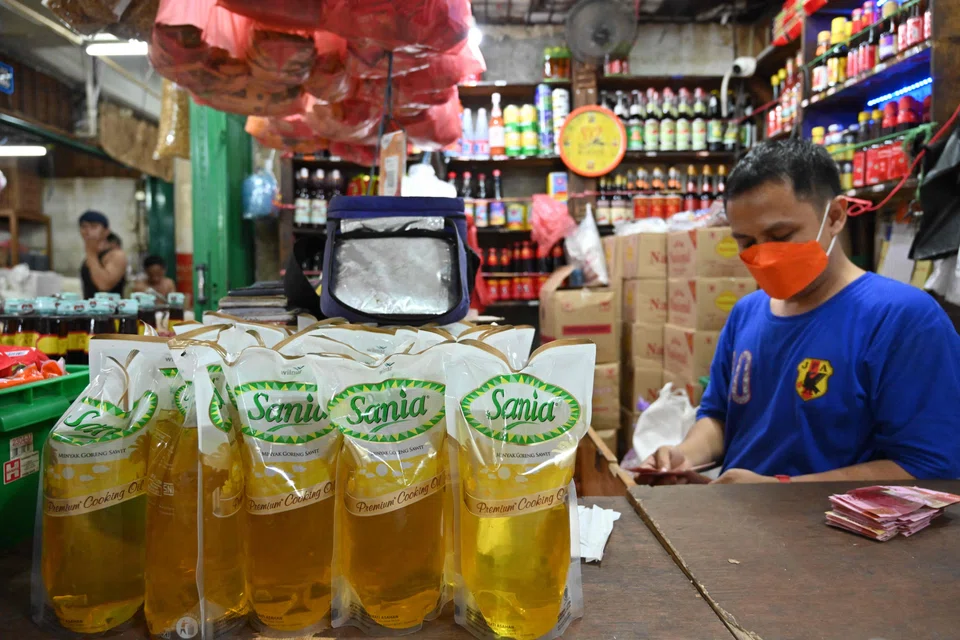
Besides fuel products such as petrol, diesel and liquefied petroleum gas, other items that have benefited from price controls and government subsidies include cooking oil, rice, and sugar.
Yet governments do face the looming risk of “narrowing fiscal space or increasing fiscal deficit”, as flagged by James Villafuerte, senior economist for South-east Asia at the Asian Development Bank.
Economist Chua Han Teng, who covers Malaysia, the Philippines, Thailand, and Vietnam at DBS, told BT that Malaysia is facing “pressures from subsidies on fiscal expenditures amid elevated fiscal debt”, although rising petroleum revenues are helping to offset this.
He also noted that “the Thai authorities’ room to maintain subsidies, especially for diesel retail prices, is narrowing” as the government oil fuel fund has incurred losses, in part due to pandemic-era subsidies. The large deficits incurred may force the Thai government to adjust its price cap, added UOB’s Ho.
Indonesia, too, may have to reform its energy subsidies to pare its fiscal deficit, Morgan Stanley’s Asia economist Deyi Tan told an outlook briefing on May 20.
Partial rollbacks are on the table even as government price interventions have been significant in containing inflation, with commodity prices continuing to climb in the wake of Russia’s invasion of neighbouring Ukraine in February.
Maybank economist Brian Lee named fuel subsidies in Indonesia, Malaysia and Thailand as a factor behind the “more modest” Asean headline inflation reading of 3.4 per cent in March, compared with other regions.
In particular, he noted that transport costs rose by 2.4 per cent year on year in Indonesia and 2.6 per cent in Malaysia, against double-digit increases in the rest of South-east Asia.
Villafuerte similarly pointed out that inflation upticks in the affected markets “are nowhere near the price increases observed for oil, rice, and aggregate commodity prices”, reflecting the buffer from the subsidies.
Scrapping the programmes would risk not only pushing inflation higher and exacerbating poverty, but also crimping the post-pandemic economic rebound in individual markets and the region, said economists.
In Indonesia, “official hesitation to allow complete pass-through (of price increases) is understandable based on past experiences as price adjustments had resulted in a sharp rise in fuel prices, pushing inflation up, weighing on bonds and necessitating swift tightening moves”, DBS senior economist Radhika Rao told BT.
She noted that Indonesia has just raised the sum earmarked for fuel subsidies, which “underscores wariness over piling additional pressure on consumers’ purchasing power and to cap inflationary concerns”.
Said Asean+3 Macroeconomic Research Office chief economist Khor Hoe Ee: “An abrupt unwinding of subsidies would lead to a sharp rise in consumer and producer price inflation, erode consumers’ purchasing power, and dampen demand. The ongoing economic recovery will be jeopardised.”
In fact, despite the squeeze on government purses, watchers noted that policymakers retain some headroom. Khor said: “Most regional economies still have fiscal policy space to mitigate the higher cost of living as their public debt levels remain below their statutory debt limits.”
Tan, also citing public debt-to-gross domestic product ratios, said that Thailand and Malaysia “can still afford to lever up”. Given their domestic production capacity, Malaysia and Indonesia can use revenue gains from higher commodity prices to offset the correspondingly higher subsidies needed, too.
Nonetheless, Khor warned: “Energy and food subsidies in their current form are costly and will not be sustainable in the long run. As such, it is crucial that regional economies reform the current subsidy structure once inflationary pressures subside and the economic recovery is more entrenched.”
So, instead of a complete elimination, subsidies may have to be reduced. Tan has pencilled in an imminent 25 per cent hike in Indonesia's retail fuel prices, which could push inflation into the low-5 per cent range in the first quarter of 2023.
"Unwinding of subsidies is already on the horizon. Indonesia and Malaysia have indicated that they will raise subsidized fuel prices in order to reduce fiscal pressures," said Lee.
He estimated that each increase of RM0.10 per litre for diesel and 95-octane petrol in Malaysia could together raise annual inflation by 0.3 percentage point, with fuel and utilities making up a large share of the consumer price index basket there, as well as in Indonesia and Thailand. (*see amendment note below)
The effects of even these limited subsidy reductions and price hikes are likely to spill beyond Indonesia, Malaysia and Thailand, into the rest of the region.
“Soaring inflation will dampen the domestic demand recovery, which will in turn hurt intra-Asean trade,” added Lee, pointing to how much these 3 economies account for regional exports.
Beyond cutting back on subsidy levels, more structural reforms are also under way. Indonesia moved in March to axe retail price caps on packaged cooking oil, as the war in Ukraine drove up the prices of palm oil alternatives. From June, a subsidy on bulk cooking oil will be replaced with a price cap on raw materials.
Meanwhile, Malaysian politicians recently floated making fossil fuel subsidies more targeted, since “those with BMWs cannot enjoy the same subsidies as those with (Perodua) Kancil”, as Malaysian Senior International Trade and Industry Minister Mohamed Azmin Ali put it, comparing the German luxury automaker with its Malaysian mass-market counterpart.
Subsidies aside, Villafuerte noted that governments can tap other measures to control inflation, such as income transfers, tax cuts, and private-sector price controls for key commodities such as food items.
*Amendment note: An earlier version of this article incorrectly stated that Maybank economist Brian Lee expects a RM0.10 per litre increase in fuel prices in Malaysia.






