



South-east Asian investors bullish on electric bikes, clean energy in 2024
The growing climate tech sector is expected to stay resilient, even as other startups face a funding winter.

TWO-WHEELED electric vehicles (EVs), sustainable agriculture and renewable energy are among the big themes in climate tech that South-east Asian investors are looking out for in 2024.
Investor interest in climate tech – or technologies that address carbon emissions and the impacts of climate change – has been growing over the past five years (see chart). In 2023, there were 15 such deals in the region worth US$156.6 million, according to startup data platform Tracxn.
The largest deals include the fundraisings of three companies involved in electric two-wheelers: Indonesia’s Alva, which raised US$50 million; Maka Motors, which raised US$37.6 million; and Singapore’s Ion Mobility, which raised US$18.7 million.
Electric two-wheelers are likely to remain a key theme to watch in 2024. Several South-east Asian countries, such as Indonesia and Vietnam, are already emerging as manufacturing hubs for EV components and batteries, noted Anand Veeraraghavan, managing director at the Boston Consulting Group in Singapore.
“For 2024, we might also see investments to prepare for the introduction of local-brand EV models in both the two-wheeler and four-wheeler space, with national and investor interest to develop such capabilities in the near term,” he said.
Paul Ong, partner at venture debt provider InnoVen Capital, sees a “huge opportunity to grow very large companies” in this space. His firm has backed electric motorbike makers Dat Bike in Vietnam and Ather Energy in India.
Ong expects more growth and focus around EV-associated products, such as charging infrastructure, battery swapping and EV consumer financing. “You need the consumer financing angle to really unlock the adoption of EV two-wheelers in the region,” he added.
Singapore-based Golden Gate Ventures is likewise optimistic about EV two-wheelers, having looked into opportunities in smart battery production and vehicle manufacturing, said partner Michael Lints.
“We see a big opportunity there. The price point for EV scooters is going to get better over time; the batteries are going to be cheaper, manufacturing is going to be more efficient. I think we’ll see a massive market for those specific scooters in markets like Vietnam, Malaysia to an extent, and Indonesia as well,” he noted.
Energy transition
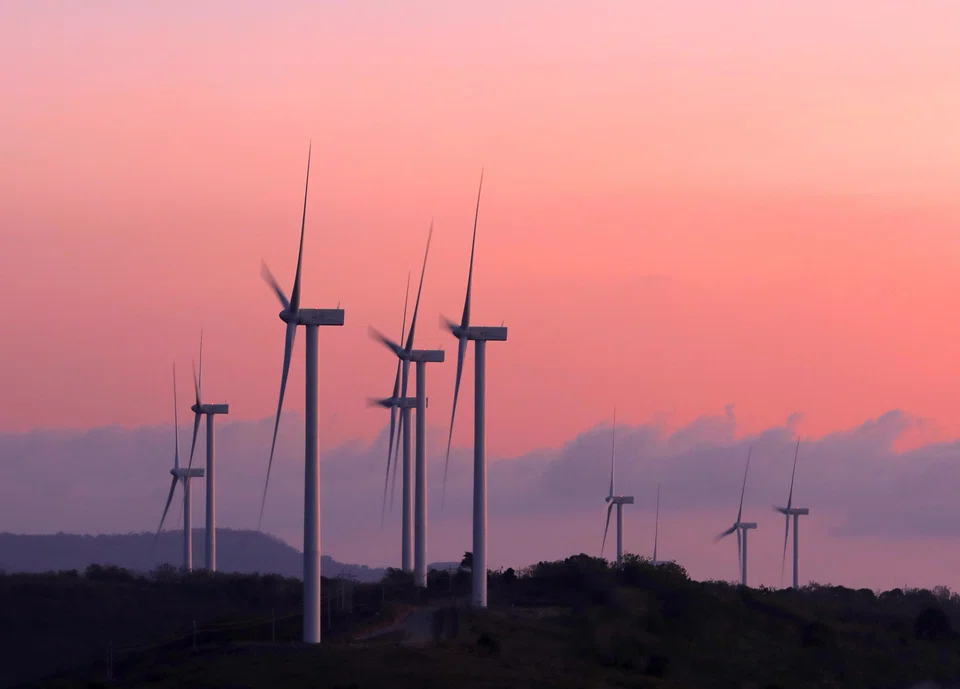
Another big theme for climate tech investors is renewables. South-east Asia has been playing a key role in the ramping up of solar solutions and is emerging as one of the fastest-growing solar energy markets, said Lim Wen Bin, partner for infrastructure advisory at KPMG in Singapore.
“We are also increasingly seeing more advanced-stage greenfield developments, such as wind and battery hybrids, as developers and corporations source for new solutions that can provide a consistent and round-the-clock supply of renewable energy.”
Lim has also observed continued strong interest from funds and investors in proven energy-transition and low-carbon technologies that have a “clear pathway to scale”, such as waste-to-energy technologies, water treatment and recycling, as well as biofuels.
More nascent energy solutions, such as green hydrogen and ammonia, may also see greater interest from investors, governments and corporations, he added.
Deep-tech investor SGInnovate has been monitoring the nascent but promising field of nuclear fusion power – where two variants of hydrogen react to produce immense energy. The technology is still in its infancy, but recent breakthroughs have excited investors.
SGInnovate does not plan to invest in a nuclear fusion startup, but is interested in ancillary technologies being developed in tandem, such as semiconductor chips, new materials and specialist cryogenic chambers, said its executive director for investments Tong Hsien-Hui. Lasers being developed for fusion power could also have applications in quantum technology.
“All these technologies will be relevant, not just to the nuclear fusion space, but to a lot of other industries. It’s a lot closer to market and something that we can monetise (even) if the nuclear fusion dream doesn’t materialise,” he noted.
Gilles Pascual, EY’s Asean power and utilities leader, observed that there are also new funds focusing on the climate transition that are being raised.
“With these funds, investors will be seeking investment opportunities in technology to support climate transition in the broader sense, and not limited to renewable energy generation,” he said.
Rice to the occasion
Food systems and agriculture are also of interest to investors in South-east Asia, said Derek Handley, founder and partner at Aera VC, which focuses on sustainable deep tech. “Agritech is a major theme because there are lots of lower-hanging fruits around efficiencies, operational improvements, that will have a major sustainability and climate impact.”
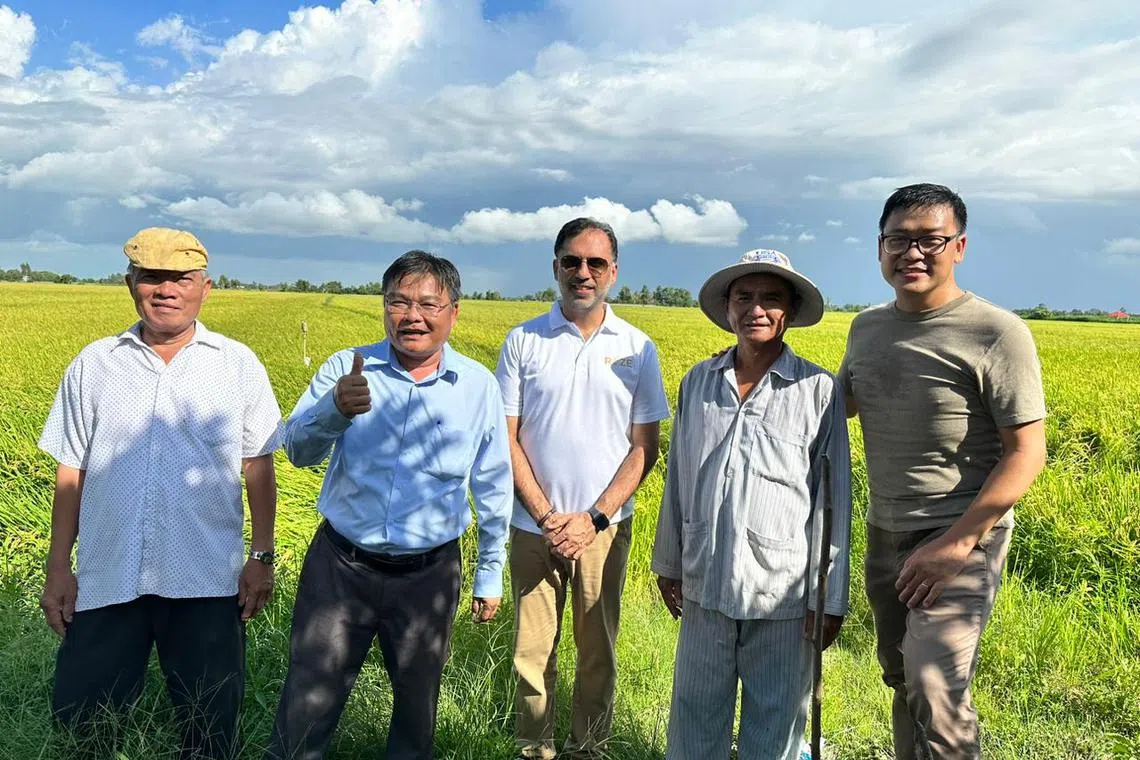
Marie Cheong, founding partner at venture builder Wavemaker Impact, is likewise bullish on agritech. The company this year invested in Rize, which aims to decarbonise rice cultivation in South-east Asia, and RegenX, a financing platform for small agri-businesses transitioning to regenerative agriculture.
That said, investors appear more cautious about alternative proteins, a segment that saw plenty of hype over the past few years, but has since cooled down. For plant-based meat, there has been some backlash from consumers over the price and taste, noted Handley of Aera VC.
“On the cell-based meat side, there are lots of challenges in the scaling up of the lab solutions into things that actually can be commercialised. The time horizons and the amount of money being required to do it has exceeded what investors’ and entrepreneurs’ expectations were,” he said.
The “sus” in sustainable
Investors are also careful about greenwashing risks, said Praveen Tekchandani, partner for climate change and sustainability services at EY. Many are formalising due diligence guidelines for green investments, and inviting third parties for independent assessments before gunning for making the investments, he noted.
Tong of SGInnovate echoes this. “What the company puts forward shouldn’t be just greenwashing and acting like something that’s perhaps more of a media darling than actually making a difference,” he said.
That said, the outlook is otherwise largely positive. Ong of InnoVen is encouraged to see more climate tech investors being active in South-east Asia, along with an increase in the number of climate tech startups here and their talent pool.
“That combination suggests to me that this space – which is still fairly nascent – will continue to attract more capital and we should see more climate-focused investors come to market,” he said.
As Cheong of Wavemaker Impact sees it: “Climate tech is one of the more resilient categories of venture capital, as investors and entrepreneurs become more and more aware of both the urgency of the climate challenge and the economic opportunity that it presents.”
TRENDING NOW
Indonesia begins cutting natural gas exports to Singapore from Oct 24: reports

Singapore’s central gas buyer affirms Indonesia’s role as ‘important partner’ amid export review warning

KKR founders among investors buying 42% of Peter Lim’s Valencia; club valued at US$1.4 billion

NEA issues notices to 10 Singapore-based companies, including Wilmar and APP, over haze

