



South-east Asia’s central banks now face questions beyond oil shocks – peace deal or not
Geopolitics has given way to issues related to the Fed, currency dynamics and El Nino

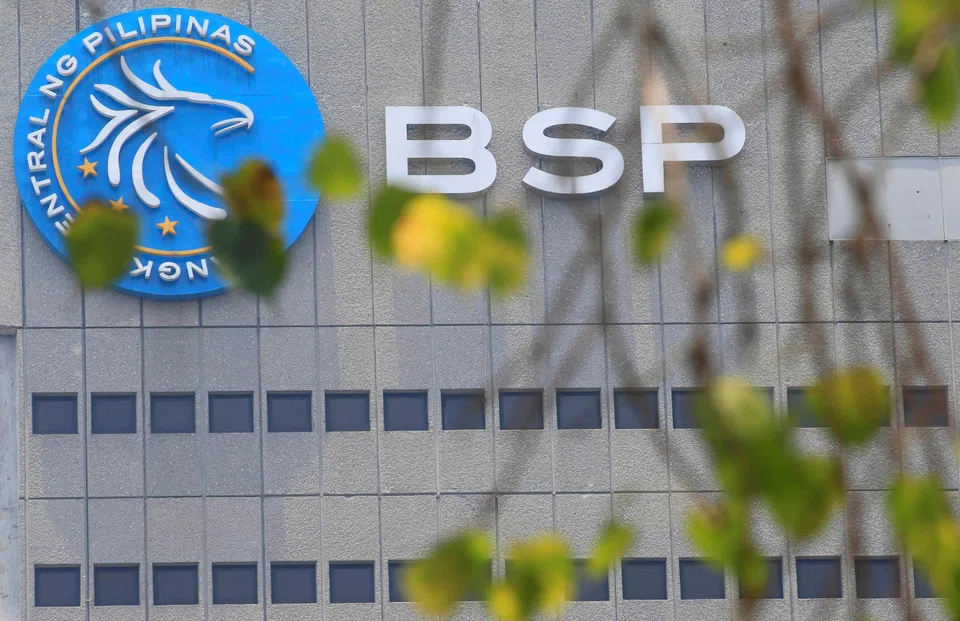
[SINGAPORE] A tumultuous first half of 2026 has forced the hand of some South-east Asian central banks to tighten monetary policy, as the US-Iran war continues to reveal its full impact on the region’s economies.
Hopes of a peace deal between the US and Iran that could relieve energy costs were dashed as both countries accused each other of breaking a ceasefire and launched new strikes, sending Brent prices up by about 5 per cent on Wednesday (Jul 8).
But analysts told The Business Times that volatile energy prices are no longer the only shock that South-east Asian economies will have to grapple with when deciding their monetary policy.
TRENDING NOW

GCash parent Mynt rises in market debut after South-east Asia’s top 2026 IPO

In the age of AI, what is a university education for?
Singapore to use ‘every legal and regulatory lever’ against companies linked to haze: Shanmugam
‘IPOs are not the only vehicle’: KKR heads for record exits even as firms stay private for longer

