



Laid-back vibe, stunning beaches, rich cuisine and low cost of living lure more expat retirees to Malaysia
But ‘no place is perfect’ – the country’s policy flip-flops on its long-term residency scheme and profiteering relocation agents risk diluting its appeal




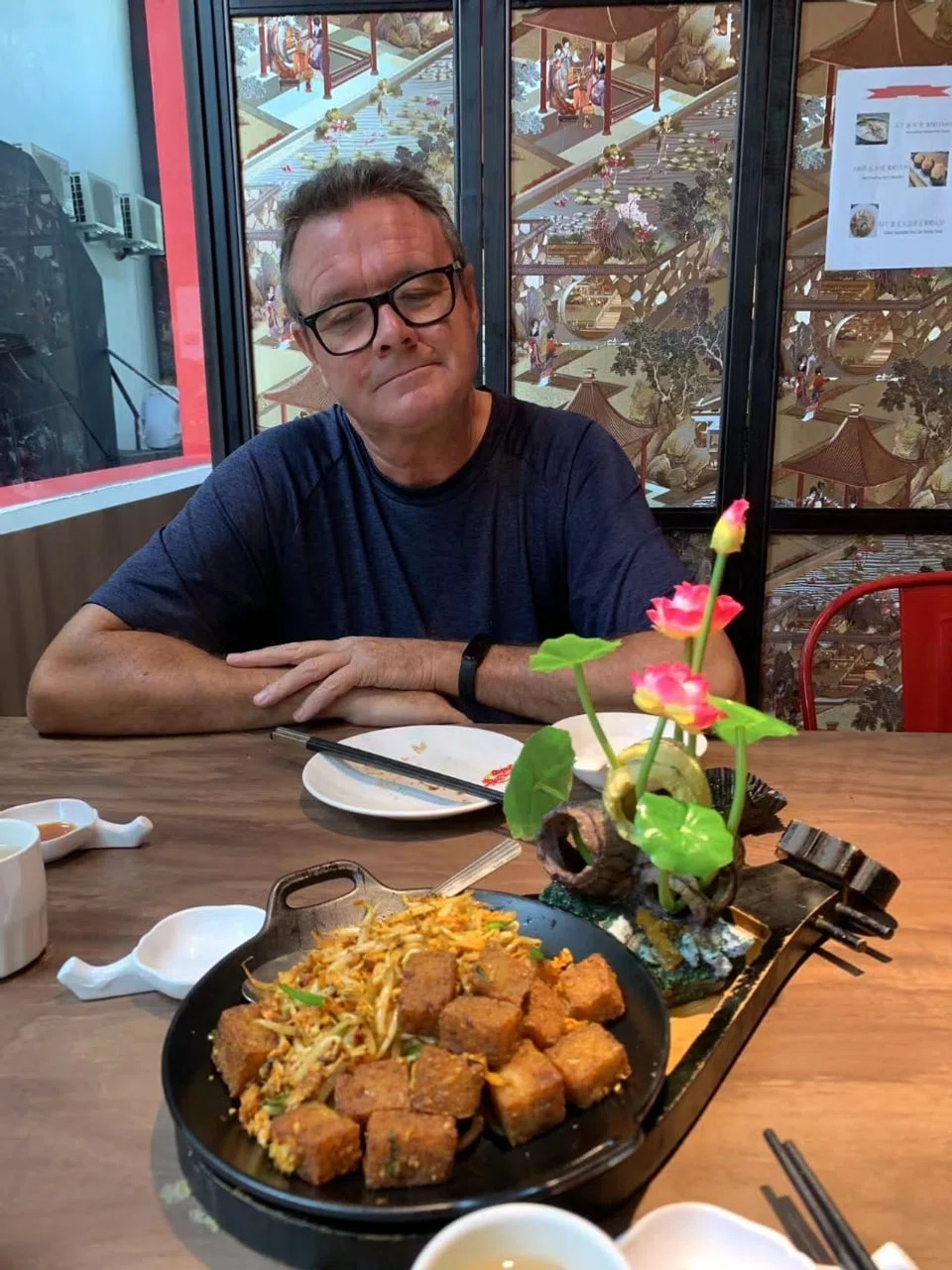
[KUALA LUMPUR] IT WAS “love at first sight” for Irishman Keith Judd when he visited Malaysia for the first time in 2009. He was working in Shanghai at that time.
In the whirlwind move that eventually ensued, he relocated to Penang Island a year later, under the country’s popular visa residency programme for foreigners called Malaysia My Second Home (MM2H).
The 62-year-old semi-retiree lives in a spacious beachfront condominium in Tanjung Bungah, a northern suburban coast of Penang. He begins his days with a leisurely stroll along the beach shoreline, enjoying easy access to a wide range of amenities and dining options.
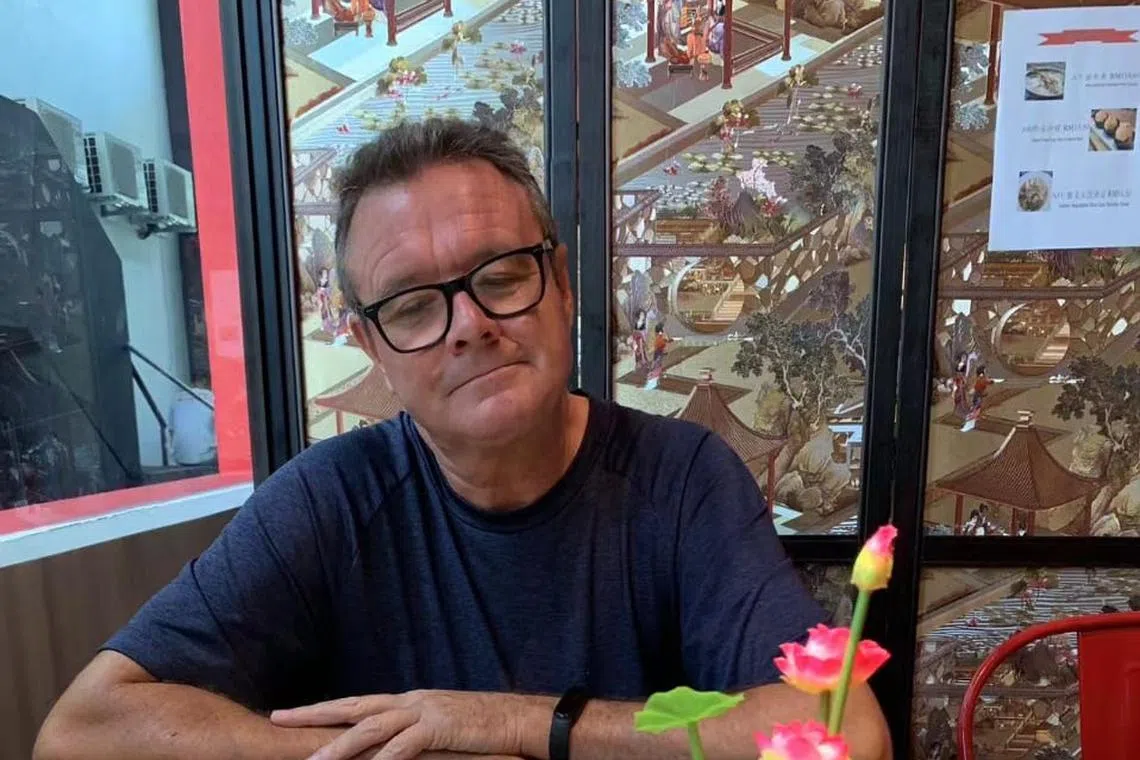
“The warm climate and friendly people... of course, food is another reason,” said Judd, when asked about the main attractions of the island dubbed the “Pearl of the Orient” that he has called home for the past 14 years.
“Its tropical climate provides respite from the harsh winters in Ireland, and the cost of living is notably lower, making it a financially viable choice,” he said, adding that Ireland’s cost of living is three to four times higher than in Malaysia.
Judd, who co-owns a business with operations in China, is one of over 56,000 foreigners who have chosen the multicultural South-east Asian nation as a “second home” under MM2H since the programme was launched 22 years ago.
The downsides
The programme is not without its fair share of hiccups. While Judd was lucky, describing the application process as simple and efficient back in the day, it hasn’t been altogether smooth sailing for many others.
Policy flip-flops on MM2H’s qualifying benchmarks, along with greedy agents, have robbed the programme of some of its shine.
More recently, Malaysia’s Tourism, Arts and Culture Minister Tiong King Sing said in a Facebook post that some agents were engaged in “unethical practice(s)”, using old MM2H application forms and deceiving applicants into paying unnecessary fees. He warned that these agents would face “severe consequences” and said that they are only permitted to charge fees after applications are approved.
The biggest fans of Malaysia’s long-term residency scheme are from China, which accounts for 11,500 pass holders. This is followed by some 2,700 from South Korea; there are 790 Singaporeans who are MM2H pass holders.
Shanta Mansukhani, an 83-year-old retiree from London and a Penang resident for the past 16 years, is among the nearly 1,560 UK citizens who have taken up the residency scheme.
Her application process was not hurdle-free – she claimed she was overcharged by RM3,000 (S$855) by an agent to process her MM2H application. But it proved to be no deal-breaker for her spontaneous decision to retire in Malaysia, which was sparked by a “serendipitous encounter” with a property on the island that had captivated her during a sunny afternoon with friends.
“Malaysia, truly Asia”
Entranced by the sea view, she promptly secured the unit. “I like my home, love the sunrise and sunset, and the good weather,” said Mansukhani.
She regularly attends a nearby wellness club, and also cites other plus points such as easy access to medical facilities and reasonable cost of living, although she is quick to add: “I wouldn’t say it is cheap to live here... the prices of all things have gone up in recent years, but it is still much (more) affordable compared to other cities.”
Her one lament is the lack of connectivity and limited international flights from Penang International Airport. This often necessitates transit through to Kuala Lumpur International Airport or other countries, which extends her travel time.
Previously, approved applicants would receive a social visit pass and a renewable 10-year multiple-entry visa under the scheme. Following a recent revision to lure more foreign residents, eligible applicants could also gain permanent residency (PR) status.
Portuguese-Chinese entrepreneur Gary Crestejo, who is originally from Hong Kong and has lived in Malaysia for just over a decade, is relieved about the new rules that allow for PR status as they would open up more schooling options for his daughters.
While Malaysia offers plenty of international school options – these are private and can be expensive – Crestejo has been hoping to get his children into local public schools to enable them to mingle and make friends with locals. This, however, isn’t an option for now as public schools only cater to Malaysians and PRs.
The Canadian citizen, who switched businesses from telco to food and beverage eight years ago, is hoping to qualify for PR status. Crestejo owns three restaurant brands with six outlets across the Klang Valley, including the renowned 100-year-old Chee Kee noodles from Hong Kong, which has been rebranded “Mak’s Chee” in Malaysia.

He seems to have taken to the slower pace of life in Malaysia. “I find myself more laid back now. Back in Hong Kong, I used to fret over every detail; for instance, my wife and I were already planning our children’s schooling when she was just pregnant,” he told The Business Times, adding that the lower peer pressure and competition have also been good for his children.
Crestejo has set up a social media group titled “Hongkongers in Malaysia,” which has drawn nearly 3,000 followers. The group facilitates gatherings throughout the year for members to connect, share experiences and address challenges.
The presence of a Cantonese-speaking community in Malaysia is a big draw for Hong Kong expatriates. He said: “Thailand, Indonesia and Vietnam have their merits, but Malaysia, particularly Kuala Lumpur, perfectly aligns with the needs and preferences of Hong Kongers.”
No place is perfect. Taiwanese Li Yu Xi, who relocated to Malaysia with her Japanese husband five years ago, had to endure difficult times during the pandemic curbs and has learnt to deal with rude motorists and significant cultural differences.

Her 10-year-old son, who is enrolled in a Japanese international school in Petaling Jaya, Selangor, has had plenty of opportunities to learn and understand the local culture, something she said was not available to him in Taiwan or Japan.
The full-time housewife, who is not an MM2H pass holder, has written a book, Nozomi in Wonderland, on her experiences in Malaysia, and hopes to someday retire there should her financial situation permit it.
Changing rules
Since 2019, the MM2H programme has been revamped multiple times. The financial threshold to qualify is now higher, although this has been tweaked to varying degrees, sending mixed signals to foreigners.
Recently, Malaysia amended the scheme to include three new categories – Platinum, Gold and Silver – in order to target different segments of people in terms of needs and financial status.
The highest category, Platinum, requires applicants to have a fixed deposit of RM5 million and includes a PR option for eligible applicants.
Another significant change under the revised rules includes lower financial thresholds for different categories. For instance, the fixed-deposit requirement has been lowered to RM500,000 for the Silver category, versus RM1 million for all applicants previously.
Additionally, the programme is now also open to applicants aged at least 30 years old – versus 35 previously – in hopes of drawing more young professionals and digital nomads to reside and invest in Malaysia.
But that has not been smooth sailing. The revamped scheme has been at a standstill, and new applications have not been processed for months, pending parliamentary approval.
Despite Malaysia being a sweet retirement spot, it could lose its allure given the uncertainty and lengthy waiting periods surrounding the scheme. This is more so as nearby nations such as Thailand, Vietnam, the Philippines and Indonesia are actively positioning themselves as affordable retirement havens for expats and foreign retirees through visa policies, low living costs, amenities and marketing efforts.
TRENDING NOW

Government to bring forward raising of retirement age, give employers more financial support to create flexi-load jobs

If Europe goes to war, the fallout will be felt in East Asia
Former minister Maliki Osman, Revolut chairman join Asia Gulf Holdings advisory board

Small nuclear reactors could boost the Asean Power Grid: GE Vernova executive

