



Supply chain disruptions are abating, though constraints remain
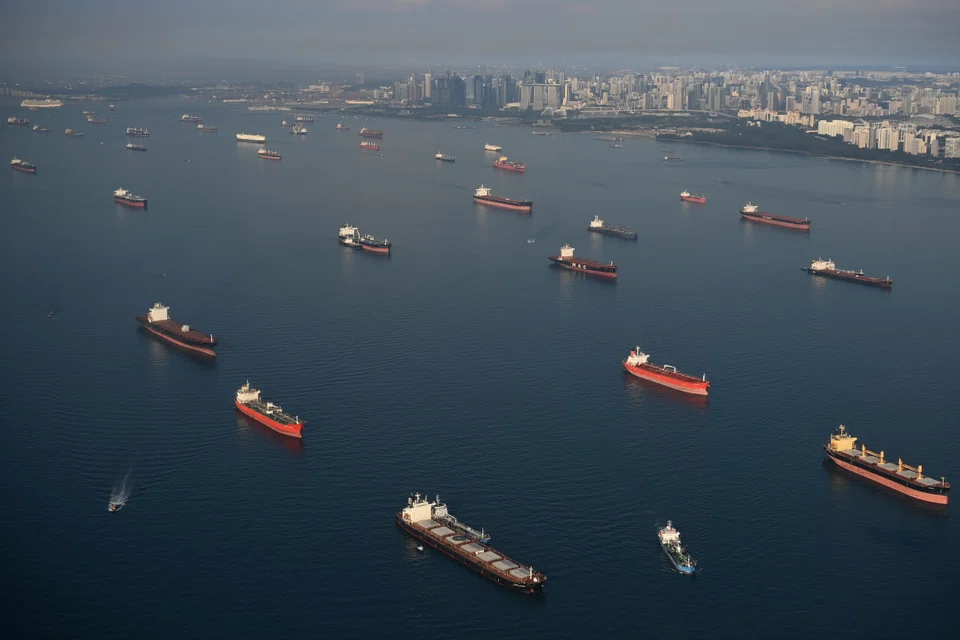
PANDEMIC-ERA disruptions to the global flow of goods are dissipating. Delays in supplier delivery times for global manufacturing have receded from their 2021 highs, and have weathered the disruptions from the Russia-Ukraine war and Covid-19 lockdowns in China this year. Freight rates for container, dry and liquid bulk shipping and air cargo have likewise fallen from their record highs.
These developments are good news for producers and consumers worldwide. The abating of supply chain disruptions means that production processes can resume smoothly, reducing the pressure on global inflation, including in the Asean+3 markets. For policymakers, moderating inflation allows for a greater focus on supporting the economic recovery. But are the bottlenecks clearing up for good?
Origins of the crisis
To answer this question, we look back to mid-2020 when Europe and the United States emerged from Covid-19 lockdowns – and their pent-up demand encountered severely constrained production capacities across the world. Worldwide movement restrictions and massive pandemic stimulus packages in advanced economies led to an e-commerce boom amid shortages of labour, equipment and raw materials.
The supply-demand imbalance squeezed shipping networks. Maritime ports, which handle the bulk of internationally traded goods, recorded long vessel delays worldwide.
In the US, outdated port and landside infrastructure struggled to cope with the unprecedented import volumes. The logjams led to long vessel queues, especially at the ports of Los Angeles and Long Beach, the main gateway for US imports.
At the same time, the widening of both Europe’s and the US’ trade deficit with Asia led to a pile-up of containers in key Western markets and a shortage of them in Asia, which consequently held back seaborne exports from Asia amid mounting vessel delays.
Widespread shortages in equipment, warehouse spaces, and manpower were also blamed for hampering the flow of containerised shipments at major ports globally.
On top of these issues, dislocations brought about by the Russia-Ukraine war and China’s dynamic zero-Covid policy this year have brought new challenges to global supply chains.
Cooling global demand provides relief
Against the backdrop of a potential worldwide recession, however, cooling global demand is gradually alleviating supply chain pressures.
Concerns of a cargo rush as the Covid-19 lockdown in Shanghai – a global manufacturing hub and home to the world’s busiest container port – was lifted in June 2022 have yet to materialise. Instead, the cost of shipping a 40-foot container between Shanghai and Los Angeles has continued to decline, to about US$3,250 recently from over US$10,500 at the beginning of 2022.
This downward trend in freight rates is occurring as global trade volumes slow with softer demand. Seasonally adjusted import volumes in the US fell 8 per cent between March and July 2022, while those of the United Kingdom were down nearly 9 per cent. Euro area import volumes have held up so far but consumer imports dipped slightly in June.
Worries of a deepening growth slowdown and the clearing of backlogs are prompting businesses to slow down the pace of inventory build-up. Retailers and manufacturers had stocked up on raw materials, component parts, and finished goods when supply chain disruptions worsened last year.
Challenges remain
To be clear, global imports have not collapsed, so large volumes continue to put a strain on supply chains. Global container freight rates, for instance, are still over three times higher than their 2019 levels despite a 50 per cent decline this year.
In the US, port congestion has eased partly because of a shift in ship traffic to the East Coast, giving ports in the West Coast some breathing space to clear logjams. But as traffic is redirected to East Coast ports, container ships are staying two to nine days longer there, from just three to four days a year ago.
Supply chains are still confronted with numerous challenges. Labour shortages across layers of the supply chain, lack of warehouse space to accommodate new shipments, and empty containers piling up at US and Europe ports are some constraints that persist.
Structural issues aside, disruptions to raw material supply, factory output, and logistics may also arise from China’s stringent Covid-19 policy, the ongoing war in Ukraine, and extreme weather disturbances.
Building resilience
While supply bottlenecks are not likely to go away anytime soon, supply chains are being reshaped toward greater resilience and flexibility. According to a McKinsey survey in the spring of 2022, while businesses continue to build inventories, more have also adopted dual-sourcing strategies and regionalised supply networks over the past year. Supply chain digitisation is likewise picking up.
Such efforts are believed to be paying off; this year’s geopolitical disruptions were found to have had a limited impact on companies that have taken resilience-building measures.
But developing supply chain risk management capabilities can take years. For now, global supply chains are finding relief from easing global demand.
The writers are from the Asean+3 Macroeconomic Research Office. Diana del Rosario is a senior economist and Toan Long Quach is an associate economist.
TRENDING NOW

Philippine power giant First Gen rebuffs foreign offers, plans up to US$2.6 billion in expansion

Once staunchly pro-China, Malaysian Chinese businesses are now distancing themselves from Beijing

Nearly half of Singapore workers put in at least six unpaid hours a week: survey

Vietnam’s data-centre investment rush faces reality check on power and site constraints

