



Next gen steers Vietnam’s US$1 billion sugar empire to go global – starting with three-person Singapore office
Chairwoman Dang Huynh Uc My is determined that sugar alone will not define AgriS’ future

Inside Asia’s family empires: How they are transforming to seize the next stage of growth
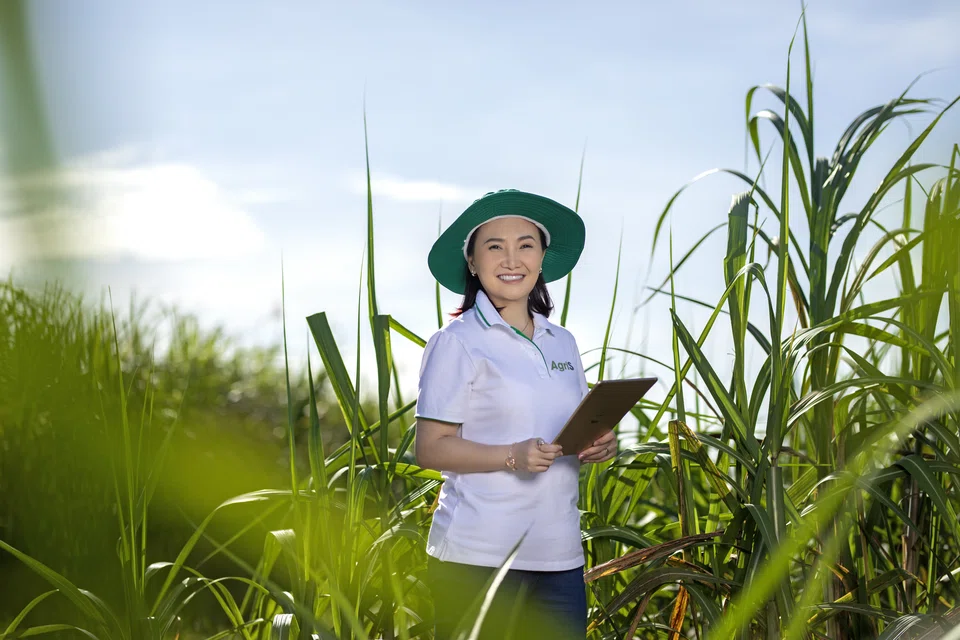
[HO CHI MINH CITY] Far from the cane fields that built her family’s fortune, Dang Huynh Uc My, or Omi Dang, set up a modest three-person office in Singapore to plot an unlikely overseas push for Vietnam’s sugar giant AgriS. It would prove to be a sweet spot.
Fifteen years on, that tentative outpost has become the nerve centre of AgriS’ international expansion – a strategy that helped transform a domestic sugar champion into a group with more than US$1 billion in annual revenue and exports to nearly 80 countries.
My is the second child of prominent Vietnamese entrepreneurs Dang Van Thanh and Huynh Bich Ngoc, once dubbed the country’s “sugar king” and “sugar queen”.
The 45-year-old chairwoman of AgriS is not chasing retail customers in the city-state, but the credibility to go global. “Establishing an international trading house in Singapore was a major breakthrough in governance,” My told The Business Times.
“Without a strong governance framework, products cannot be sustainably accepted in global markets,” she added.
Formerly known as Bien Hoa Sugar and rebranded AgriS in 2017, the 57-year-old brand still controls roughly half of Vietnam’s sugar market and supplies multinationals including Nestle, Pepsi and Coca-Cola.
But its second-generation leader and chairwoman is determined that sugar alone will not define its future.
From producer to trader
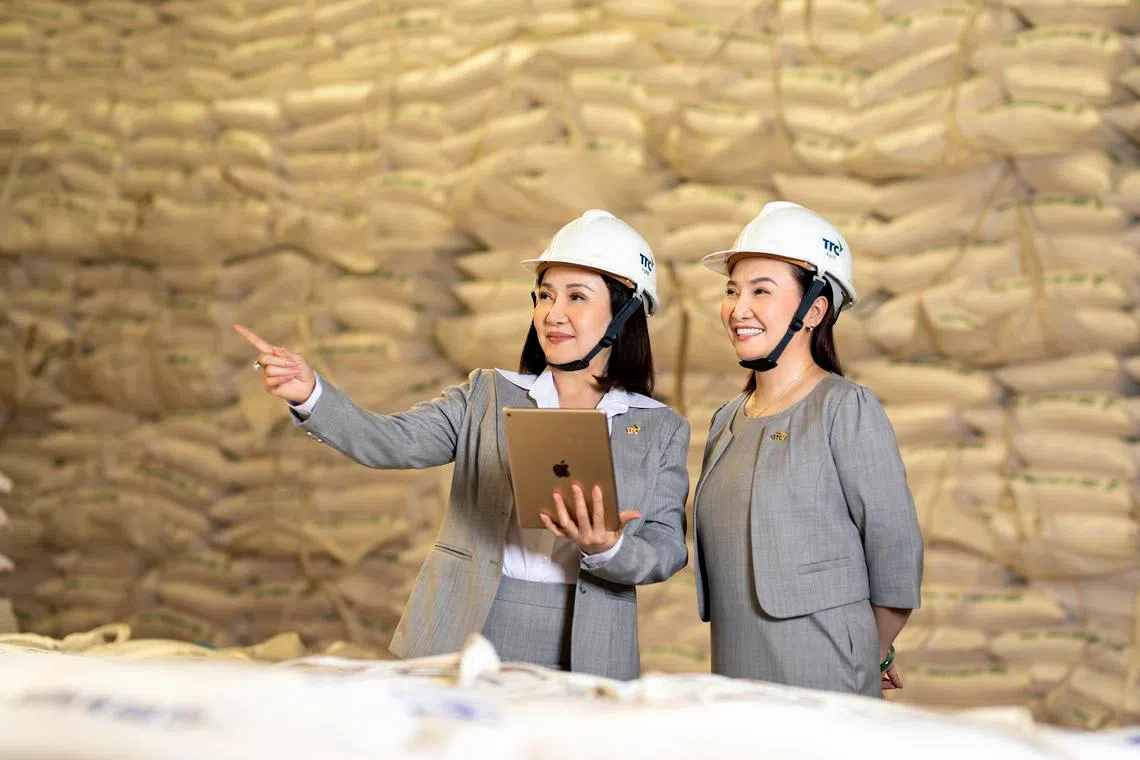
Most sugar mills in emerging markets rely on global trading houses to access international buyers. AgriS chose a different route, becoming a trading house itself.
That shift, My said, created stickier demand and repeat buyers.
The Singapore vehicle, Global Mind Agriculture, serves as AgriS’ international trading arm. It anchors overseas markets that now generate nearly a third of sugar sales while securing raw sugar supplies, hedging price risks on global exchanges and managing exports across Asia-Pacific by creating a seamless platform that bridges source and destination markets.
In her recently published book Right to Win, My described the strategy as a “dual citizenship”: manufacturing in Vietnam while holding a “Singapore passport” to access global commodity markets.
The symbolism runs deeper. By leveraging Singapore’s infrastructure and regulatory framework, AgriS could standardise its governance to meet global commodity market requirements – a shift that paved the way for Vietnam-origin white sugar qualified to be tendered on the ICE London commodity exchange.
Since 2020, AgriS has nearly tripled its export reach and doubled both revenue and profit. It has also broadened its portfolio far beyond sugar into fruits, grains, snacks, beverages, fertilisers, biomass power and biodegradable materials derived from by-products.
While Vietnam and the wider Asean region remain its production backbone, the group is positioning Singapore as a commercial and innovation base, with a new research and development centre set to open this year, and Australia as its agronomic hub.
Together, these moves reflect AgriS’ next phase: building a high-tech, circular agricultural ecosystem that integrates cultivation, processing and commercialisation based on agtech, foodtech and fintech.
Tong Hoang Tram-Anh, deputy manager of research at Vietcap Securities, believes AgriS’ strategy of expanding a fully integrated value chain is “a sensible long-term approach” – especially to “reduce the cyclical nature of the sugar industry and gradually enhance value creation”.
Still on sugar high
Despite the company’s diversification, roughly 90 per cent of revenue still comes from sugar, leaving earnings vulnerable to global price swings with net margins hovering at just 2 to 3 per cent.
In the fiscal year ended June 2025, revenue slipped 2 per cent to 28.5 trillion dong (S$1.4 billion) as sugar prices softened.
My’s response is structural, aimed squarely at reducing reliance on raw sugar and further expanding into food, beverage, milk and confectionery processing.
By 2030, she expects sugar-related products to account for only about 40 per cent of revenue. Plant-based beverages could contribute 30 to 40 per cent, with the remainder from higher-value, innovation-driven categories.
A key step was tightening its grip on coconut producer Betrimex, Vietnam’s largest coconut product manufacturer. AgriS’ latest ownership increase lifted its stake to 30 per cent by end-2024, and valued the company at about 8.5 trillion dong.
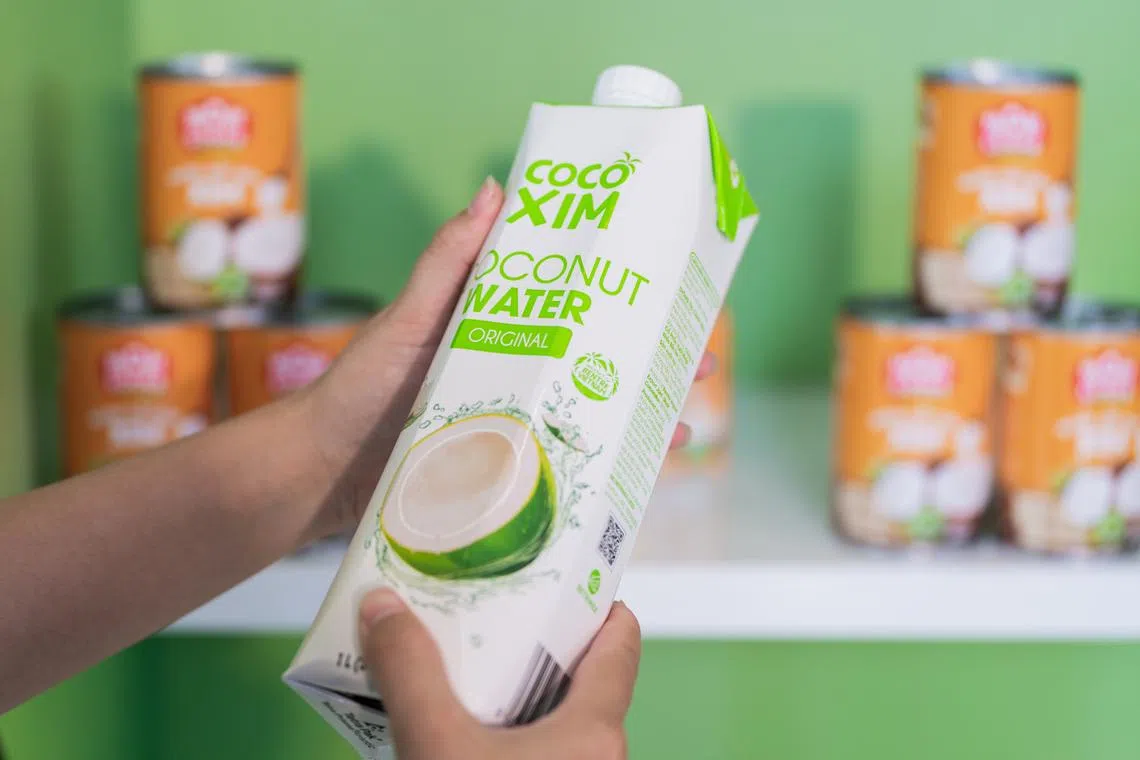
Founded in 1976, Betrimex is known for various coconut drinks that are shipped to about 80 countries globally, including the US and Japan, yielding an annual revenue of more than US$100 million.
“If you look at AgriS and at Betrimex, you can already see what comes next for AgriS,” said My. “Stepping out of the sugar comfort zone is no longer an experiment.”
M&A-led growth
Such moves are hardly unusual in the Dang family’s playbook – or at Thanh Thanh Cong Group (TTC), AgriS’ parent company and the multidisciplinary conglomerate spanning agriculture, real estate, energy and hospitality.
TTC was founded by My’s parents, who began in 1979 with a business producing ethanol, carbon dioxide and molasses, laying the foundations for what would become the group.
Expansion gathered pace after the family became involved in Sacombank, where Thanh – My’s father – served as the lender’s chairman during its high-growth years from 1994 to 2012.
The sugar business expanded through a series of mergers and acquisitions (M&As), culminating in the 2017 consolidation of Thanh Thanh Cong Tay Ninh and Bien Hoa Sugar to form AgriS.
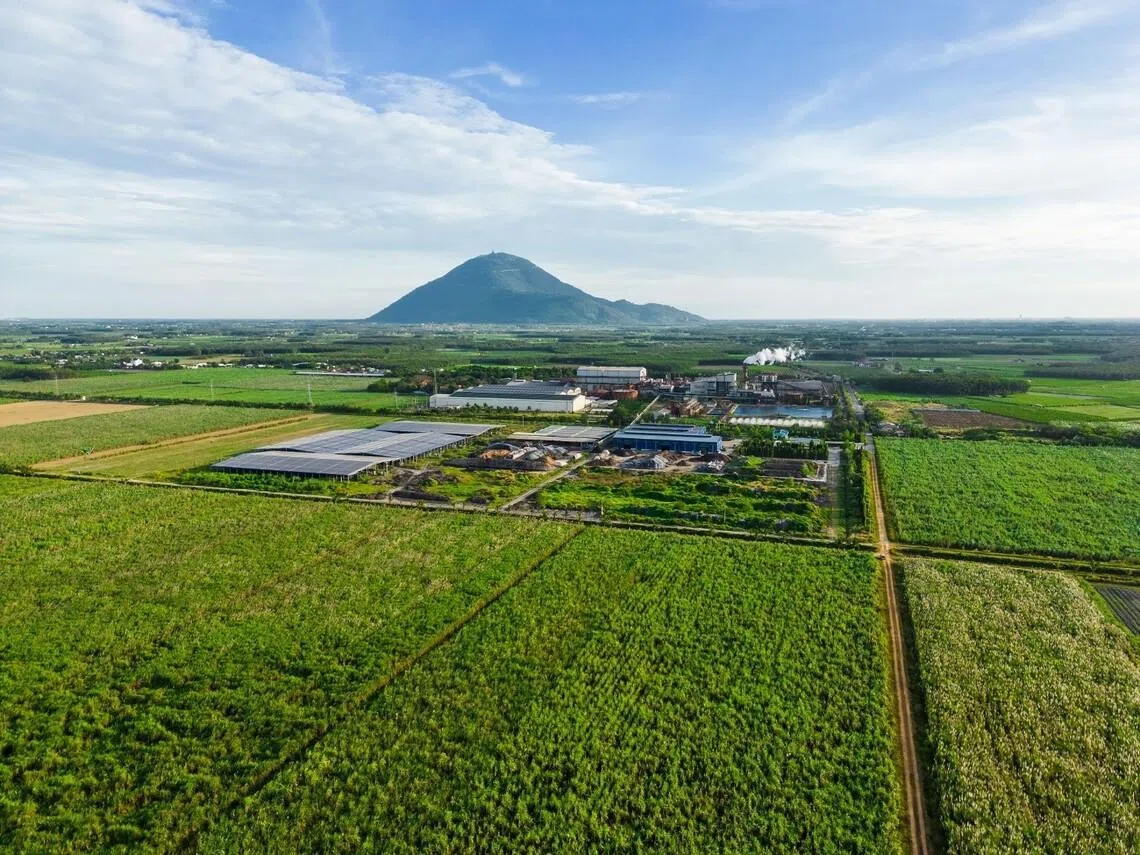
Today, AgriS, a locomotive within the TTC empire, oversees a circular agricultural ecosystem spanning nearly 91,000 hectares (ha) of sugarcane and 30,000 ha of coconut plantations in Vietnam, Laos, Cambodia and Australia. These include 3,200 ha of demonstration farms used to test agronomic and technological solutions.
The heir steps up
Among the four siblings, My has emerged as one of the leading successors of the agricultural business, taking over from her mother as AgriS chairwoman in July 2024 after about two decades in senior roles, including overseas training in finance and management in New Zealand.
She is now steering the group towards an ambitious target of 60 trillion dong in revenue by 2030 – more than double current levels – and a market capitalisation of US$2.7 billion, triple its present market capitalisation on the Ho Chi Minh City Stock Exchange.
M&As remain central, but with a sharper lens. In its 2024 to 2025 annual report, AgriS said it plans to pursue food businesses with strong environmental, social and governance (ESG) credentials to build scale and market share, while optimising its portfolio and potentially listing units to enhance liquidity and investor appeal.
“Our M&A strategy now isn’t just a financial or legal exercise. It must create business synergies and enable deeper integration across the upstream-to-downstream value chain,” My added, noting that AgriS is currently reviewing “various open deals”.
One example is the group’s latest deal with Australian agronomic services provider Farmacist, building on cooperation since 2022 and involving acquiring deep agronomic expertise overseas.
Data-driven platform
By integrating Farmacist’s proprietary data, methodologies and advisory platforms into AgriOS – AgriS’ digital operating system – AgriS aims to develop end-to-end services combining agronomic advice, inputs, mechanisation and precision farming solutions.
“AgriOS marks AgriS’ transition from a manufacturing business to a data-driven agricultural ecosystem orchestrator,” said Vietcap’s Tram-Anh.
“In the long run, AgriOS can help AgriS improve operational efficiency, strengthen links with farmers, and create a foundation for access to green finance as well as international trade,” she added.
The larger ambition, My said, is not merely to sell AgriS’ own products but to “build the shelf”: a diversified, data-driven platform that embeds Vietnamese agriculture into global supply chains.
Foundational to that vision is the giant’s agricultural modernisation and digitalisation project through 2030, aimed at building a centralised data system across its farming ecosystems and partner networks to enhance transparency, traceability and export readiness.
“Vietnam’s agricultural scale is already large enough to become a key player in global supply chains,” My said. “What remains is collective coordination, moving from fragmented efforts towards shared scale and integration.”
My envisions that AgriS in the next decades will reposition itself from a commodity-heavy sugar producer to a platform-based agricultural integrator that is less exposed to price cycles and more anchored in technology, ESG, traceability and value-added processing.
To support this ambition, she said AgriS is open to strategic investors, but will be selective, seeking long-term partners aligned with sustainability and food security goals.
“Investors in this sector shouldn’t expect immediate returns,” she said. “The right partners are those who support sustainability and have big pockets to commit over a five-year period in the context of global and national food security horizon.”
TRENDING NOW

8 public officers referred to police over property buys near unannounced MRT stations: Chan Chun Sing

Grab CEO’s wife Chloe Tong on life with Anthony Tan and finding her purpose

Retrenched PMETs who return on lower pay see median 25% wage cut
Hao Mart owner resisting OG’s mortgage foreclosure on his Tanglin GCB

