Thailand's jump to high-income status at risk: Fitch
THAILAND is at risk of a protracted slowdown in the next decade, on the back of its ageing population and lack of economic reforms, analysts at Fitch Solutions have suggested.
While the kingdom could still become a high-income country by 2028, the Fitch economists warned in a research report that Thailand is "at risk of missing out on this transition due to a failure to overcome considerable structural challenges" to the economy.
The report cited risk factors such as a median age of 39.7 years - the highest among the 12 emerging markets surveyed - as well as slowing growth in gross domestic product per capita, a fragmented government that may struggle to pass reforms, and a perception of high corruption.
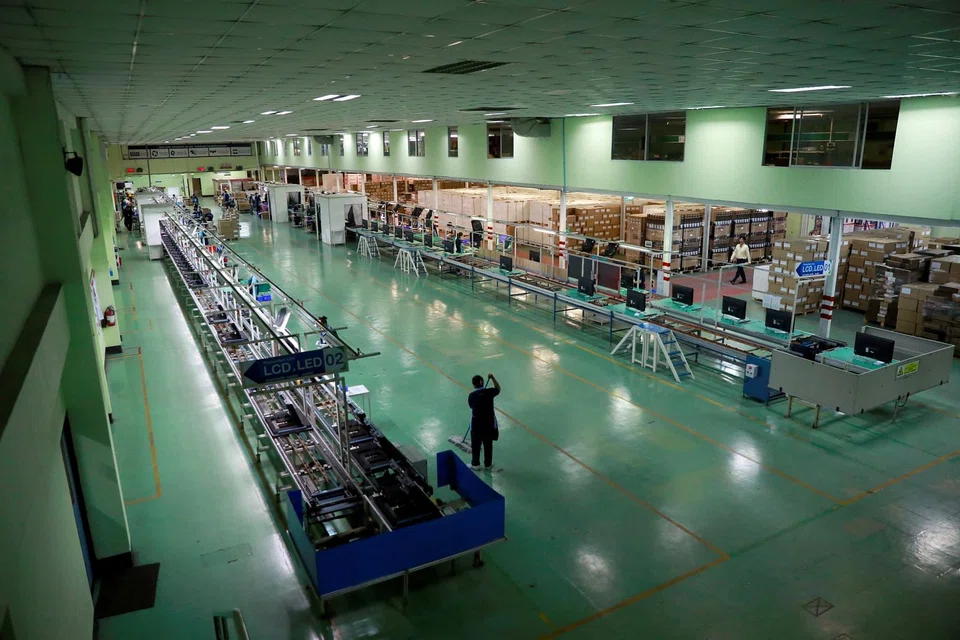
These downsides were in spite of bright spots such as a high manufacturing footprint - 26.5 per cent of economic gross value added - as well as low operational and social unrest risks.
Meanwhile, South Africa, Brazil and Argentina were also identified as vulnerable to getting stuck in the transition from middle- to higher-income economies.
"Slowing growth among (emerging market) nations increases the risk that many get caught in the middle-income band of their development cycle for a prolonged period, failing to reach higher income status," the Fitch economists said in their report.
They noted that the prognosis dims in countries where traditional growth drivers such as cheap labour "fade well before levels of technological innovation are sufficiently sophisticated to compete with alternatives in more advanced economies and thereby drive productivity growth".
Separately, DBS economist Radhika Rao has trimmed her full-year growth forecast for Thailand to 3 per cent in 2019, from 3.4 per cent before, and to 3.2 per cent in 2020, down from 3.5 per cent.
"For (the) rest of the year, growth is likely to feel the drag from a tougher global trade outlook, delay in the passage of the FY2020 Budget and weaker capex/manufacturing cycle," she wrote.
"Spillover of weak trade activities onto domestic demand will be under watch, which in turn could impact consumption and employment conditions."
Ms Rao also flagged continuing uncertainty over trade war developments, including the possibility of automotive tariffs.
Share with us your feedback on BT's products and services